UK Unveils Mobile Anti-Armour Force to Enhance NATO Deterrence

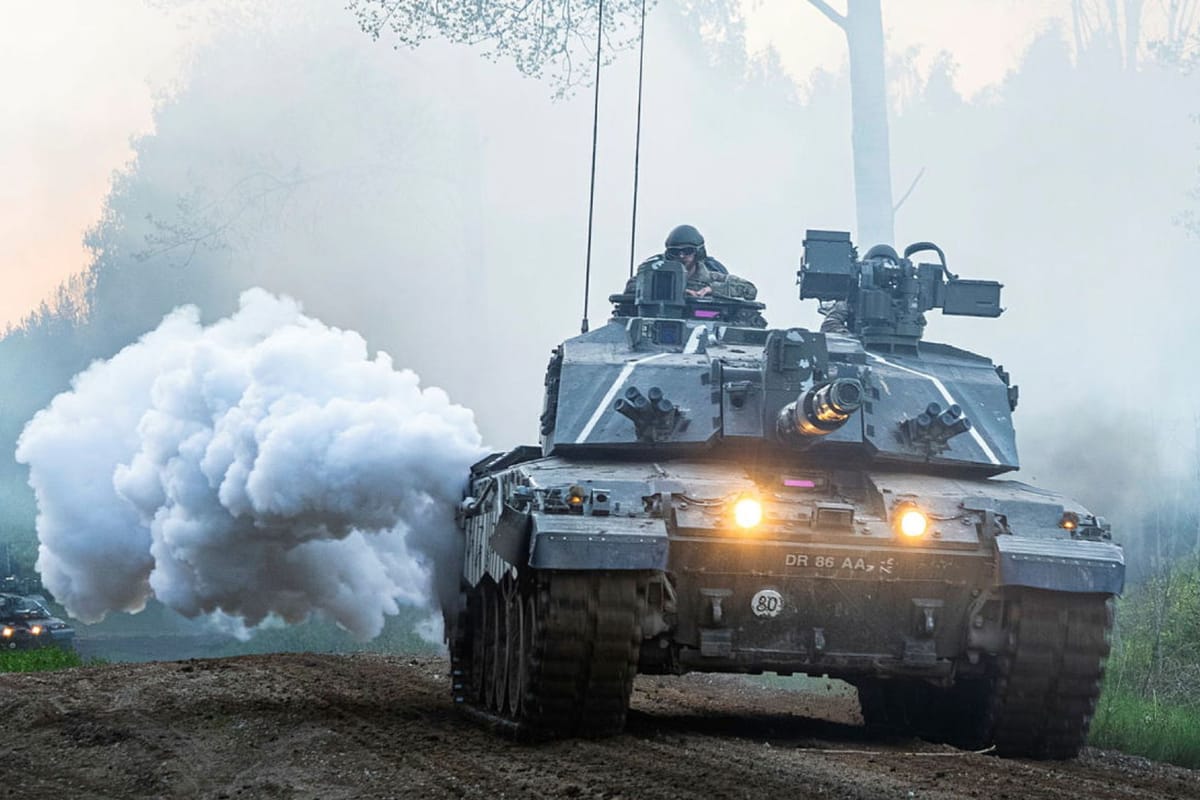
New Mobile Force to Replace Armored Battlegroup in Estonia
In a strategic move to bolster NATO's eastern flank, Britain plans to deploy a new mobile force equipped with drones and precision fires by 2027. This initiative aims to strengthen deterrence capabilities against potential threats in Eastern Europe, particularly in the context of ongoing geopolitical tensions.
Context and Implications for NATO
The decision to replace the existing armored battlegroup stationed in Estonia reflects a shift towards more agile and technologically advanced military capabilities. The integration of drones and precision strike systems indicates an adaptation to modern warfare dynamics, where speed and flexibility are crucial. This transition underscores Britain's commitment to NATO's collective defense posture and enhances the alliance's overall deterrence strategy in the region.
As NATO faces evolving security challenges, the emphasis on mobile anti-armour capabilities highlights a recognition of the need for rapid response forces that can operate effectively in contested environments. The UK's initiative signals to both allies and adversaries that NATO remains resolute in its defense commitments.
Why it Matters: The establishment of this mobile force raises important questions about NATO's future operational strategies and its ability to respond to threats. Analysts will be watching how this development influences military readiness and deterrence effectiveness in Eastern Europe. The implications of this shift may extend beyond the immediate region, potentially altering the security landscape and prompting a reevaluation of defense postures among NATO member states.
Sources: Armyrecognition, A News, Yahoo, GOV.UK, and UK Defence Journal