Ukraine and Estonia Strengthen Drone Alliance Amid European Defense Reforms

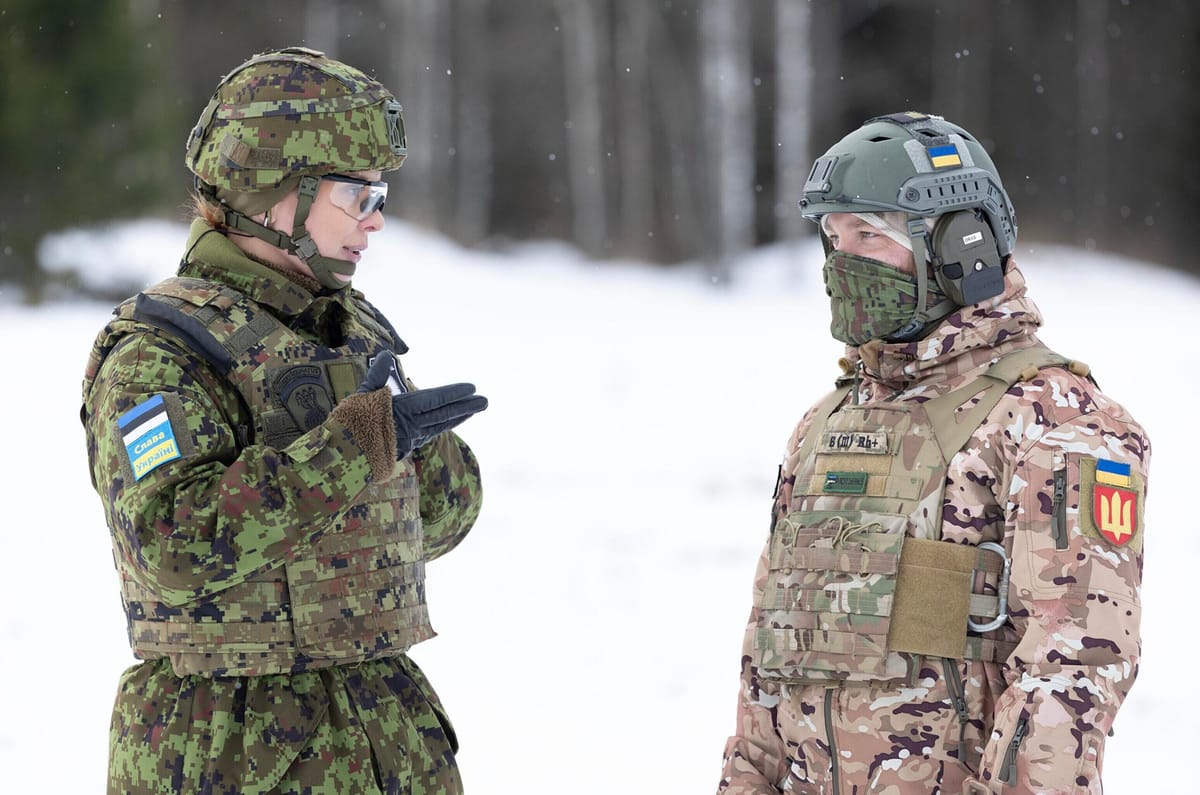
New Agreement Enhances Cooperation
Ukraine and Estonia have formalized an expanded partnership focused on unmanned systems through a new agreement aimed at fostering military innovation. The agreement is part of a broader initiative within Europe to enhance defense capabilities in light of ongoing security challenges. This collaboration is particularly significant as both nations seek to modernize their military assets and improve operational effectiveness in the face of evolving threats.
The partnership between Ukraine and Estonia reflects a growing trend in European defense cooperation, especially concerning advanced technologies such as drones. As nations across the continent increase their defense spending and prioritize military readiness, this agreement positions both countries at the forefront of unmanned systems development. The emphasis on unmanned systems highlights a strategic shift towards leveraging technology for enhanced battlefield capabilities.
Strategic Implications
This collaboration raises important questions about the future of military alliances in Europe. With Estonia's expertise in drone technology and Ukraine's pressing need for modern defense mechanisms, this partnership could serve as a model for other nations looking to enhance their own military capabilities through cooperative efforts. Furthermore, as European nations continue to rearm, the implications of this agreement may extend beyond bilateral relations, influencing broader defense strategies and alliances across the continent.
Analysts will be watching how this partnership evolves and whether it influences other European nations to pursue similar cooperative agreements in military technology. The significance of this alliance is underscored by the current security landscape, where advanced capabilities such as drones play a crucial role in modern warfare. As both countries move forward with this initiative, their ability to adapt and innovate will be key to maintaining regional stability.
Sources: Thedefensepost, The Defense Post, Euronews.com, commonspace.eu, and Kyiv Post