Ukrainian Drones Target Russia’s Baltic Fleet Amid Escalating Conflict

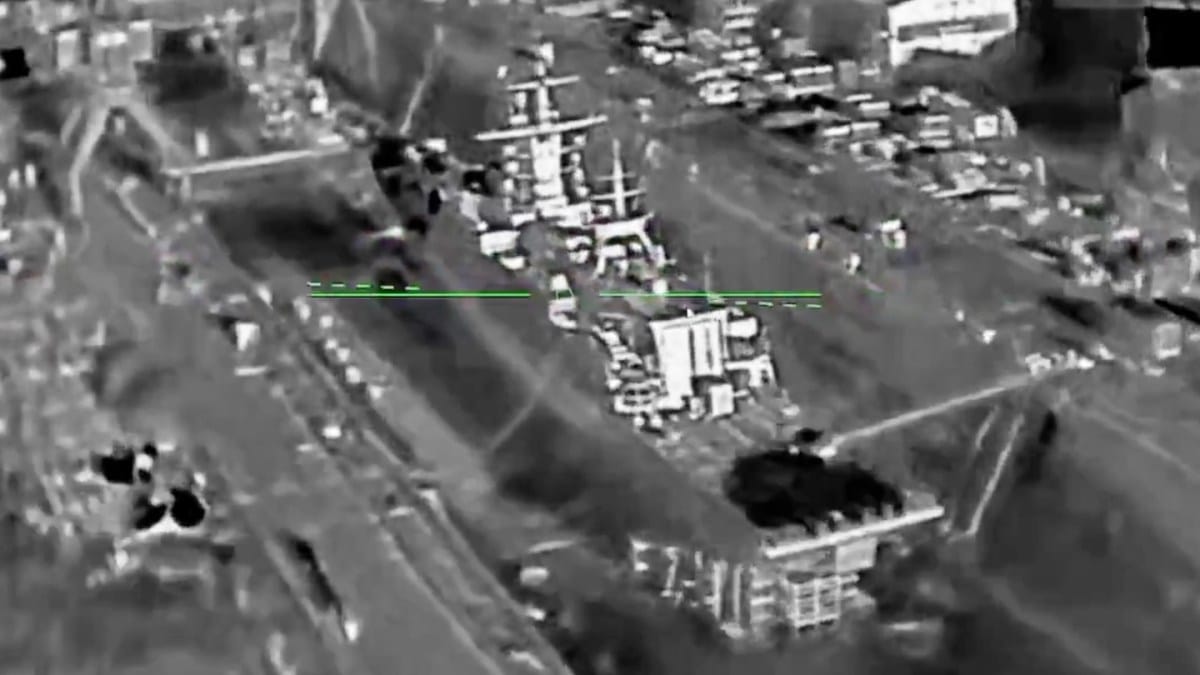
Ukrainian Strikes Signal Shift in Naval Warfare
The Ukrainian drone campaign targeting Russia’s Baltic Fleet highlights a significant escalation in the ongoing conflict. Once viewed as a secure bastion for Russian maritime operations, the fleet is now increasingly vulnerable to Ukraine's long-range strike capabilities. This shift indicates a strategic evolution in Ukraine's military approach as it adapts to the challenges posed by Russian naval power.
The utilization of drones in this context not only demonstrates Ukraine's growing proficiency in drone warfare but also signifies a potential rebalancing of naval power dynamics in the Baltic Sea. Analysts note that the successful strikes could undermine the operational effectiveness of the Baltic Fleet, which has long been a cornerstone of Russian naval strategy in the region. The implications of this development may extend beyond immediate military outcomes, influencing regional security and naval engagement protocols.
U.S. Defense Implications
This evolving situation raises critical questions regarding U.S. and NATO maritime strategies in the Baltic region. The effectiveness of Ukrainian long-range strikes against a previously secure Russian fleet may prompt a reassessment of defense postures among allied forces. Furthermore, it underscores the necessity for enhanced surveillance and intelligence capabilities to monitor and respond to shifts in naval warfare.
Why It Matters
The ongoing conflict and its implications for naval power in the Baltic Sea could significantly affect U.S. and NATO interests in the region. As Ukraine continues to innovate with drone technology, the potential for increased maritime confrontations looms. This situation necessitates vigilant monitoring and strategic planning to ensure regional stability and to counter any escalation in hostilities.
Sources: Twz, The War Zone, The Kyiv Independent, France 24, and The Times of India