UMEX 2026: System Electronic Export Unveils SEEDIS Interceptor Drone

Advancements in Interceptor Drone Technology at UMEX 2026
Overview of Recent Developments
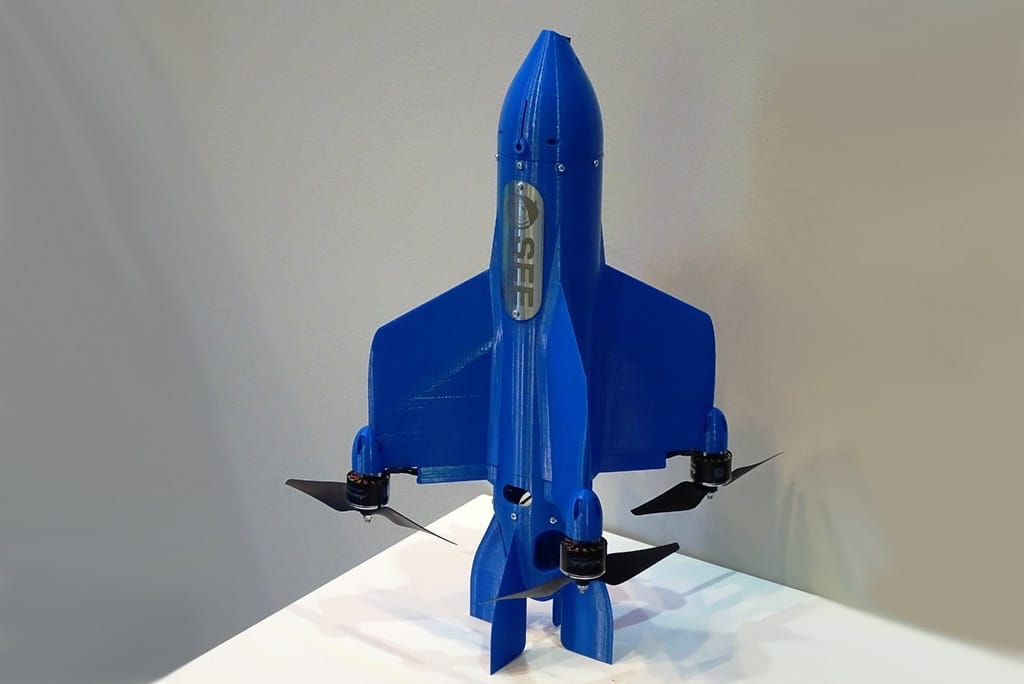
At the recent UMEX 2026 exhibition in Abu Dhabi, the NAUDI association showcased innovative interceptor drones, demonstrating the increasing sophistication of aerial defense technologies. Among these, the SEEDIS (Sensor-Enabled Enemy Drone Interceptor) system from System Electronic Export (SEE) aims to fortify critical airspace against hostile unmanned aerial vehicles (UAVs).
The Role of Interceptor Drones in Modern Warfare
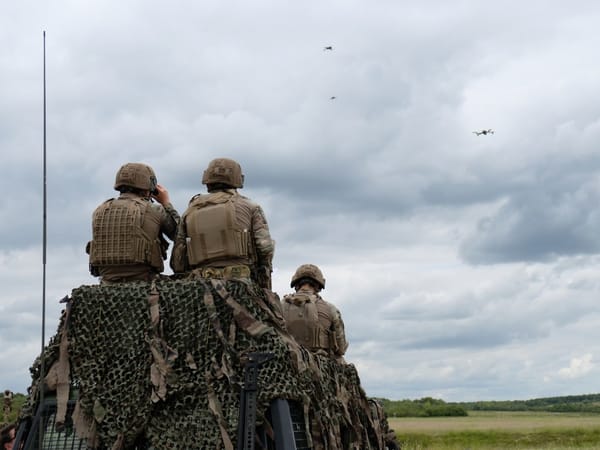
The ongoing conflict between Russia and Ukraine has accelerated the proliferation and enhancement of interceptor drones. Various nations displayed models with diverse aerodynamic designs, including fixed-wing, cruciform shapes, and multi-rotor configurations. While these drones serve as a vital component of modern air defense, they do not supplant traditional systems. Instead, they occupy a crucial niche within an air defense framework that typically includes:
- Mobile fire units
- Electronic warfare systems
- Medium- and long-range air defense systems
- Fighter aircraft
Interceptor drones are becoming essential for counteracting low-speed aerial threats, such as strike loitering munitions (e.g., Geran, Lancet, and Molniya) and surveillance drones. As the conflict evolves, these systems are expected to play a significant role in intercepting long-range UAV attacks in both operational and strategic areas.
Key Features of the SEEDIS Interceptor
At the UMEX 2026 exhibition, SEE presented the SEEDIS interceptor as a part of a comprehensive counter-UAV strategy. This system integrates advanced sensors, real-time data processing, and autonomous navigation capabilities to accurately detect, track, and neutralize enemy UAVs.
Integration with Control Systems
- Networked Operations: SEEDIS operates effectively within a broader air defense command-and-control (C2) environment.
- Enhanced Coordination: When paired with the Krechet C2 system, SEEDIS allows for simultaneous deployment of multiple interceptors, enabling centralized detection and threat prioritization.
- Continuous Monitoring: Krechet ensures ongoing control and situational awareness, facilitating performance tracking and confirmation of target neutralization.
Performance Specifications
SEEDIS is engineered for rapid response, boasting:
- Max Take-Off Mass: 4.5 kg
- Warhead Mass: 0.8-1.2 kg
- Dimensions: 295 mm x 295 mm x 640 mm
- Maximum Range: 36 km
- Tactical Operational Radius: 18 km
- Cruise Speed: 190 km/h (16-minute endurance) or up to 320 km/h (8-minute endurance)
- Operational Altitude: Can operate up to 5,000 meters, with a typical mission altitude of 3,000 meters.
Equipped with both day and night vision cameras, SEEDIS offers a target detection range of 500 to 1,000 meters, with a video transmission capability extending up to 25 km. The warhead can be detonated by the operator, supplemented by artificial intelligence capabilities for enhanced control.
Tactical and Strategic Applications
The SEEDIS interceptor is designed for a multitude of operational roles, including but not limited to:
- Countering Class 1 and 2 UAV threats
- Performing point defense and area protection
- Acting within layered air defense solutions
- Safeguarding critical infrastructure
The interceptor’s X-shaped design enhances maneuverability against agile aerial targets, facilitating effective engagement strategies.
Challenges and Future Considerations
The Russia-Ukraine conflict has emerged as an effective testing ground for counter-drone initiatives. Despite the successes of interceptor drones, it is evident they are not a panacea. Challenges remain with countering faster, jet-propelled UAVs and cruise missiles, necessitating the development of high-speed systems that could increase operational complexity and costs.
Current-generation interceptor drones are establishing themselves as crucial tools for monitoring low- to medium-level airspace threats. However, this technology appears to be a transitional phase rather than a finalized category of air defense weaponry. The future development of aerial defense capabilities will heavily rely on the integration of various systems into a cohesive air defense architecture.
Conclusion
The establishment and enhancement of interceptor drone technologies reflect a significant trend in modern warfare, particularly evident in the ongoing conflict in Ukraine. As nations vie for technological superiority, the evolution and strategic implementation of these systems will play a pivotal role in shaping future air defense strategies.