Understanding the Impact of AESA Radar on Modern Warfare

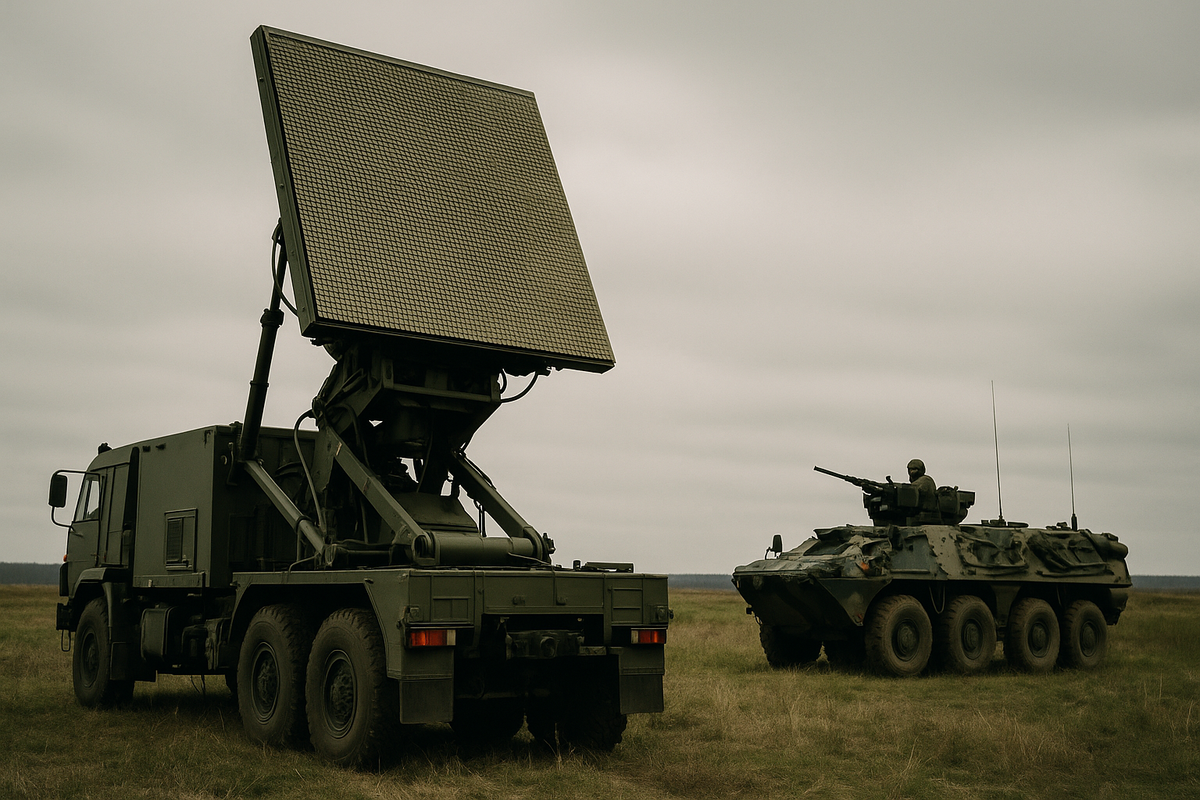
AESA Radar: A Technological Breakthrough
The advent of Active Electronically Scanned Arrays (AESA) has revolutionized the landscape of modern warfare. This technology allows for enhanced radar capabilities, enabling military forces to detect, track, and engage multiple targets with unprecedented efficiency. The operational significance of AESA radar is increasingly evident as nations invest in modernizing their defense systems to leverage these advanced capabilities.
Operational Significance and Capabilities
AESA radar systems utilize a series of small antennas that can be electronically controlled to direct radar beams with high precision. This enables them to function effectively in diverse environments while maintaining a low probability of interception, a critical factor in combat scenarios. The technology's strengths include enhanced target discrimination, increased reliability, and the ability to operate in challenging electronic warfare conditions.
However, AESA radar is not without its limitations. The systems can be costly to develop and maintain, which may hinder widespread adoption among less financially robust militaries. Despite these challenges, the strategic advantages offered by AESA technology are prompting nations to prioritize its integration into their military assets.
Why it Matters
The implications of AESA radar technology extend beyond individual military capabilities; they influence global defense dynamics and power balances. As nations race to adopt and enhance these systems, the potential for increased military engagement and competition grows. This raises the question of how countries will adapt their defense strategies in response to the changing technological landscape. As AESA radar becomes a standard in modern warfare, analysts will be watching closely to see how its deployment affects both tactical operations and broader geopolitical relations.
Sources: Thedefensepost, Defence Security Asia, TWZ, Defence.in, and Nomad Lawyer