
Understanding the MK 48 Torpedo: Capabilities and Strategic Importance

Operational Overview
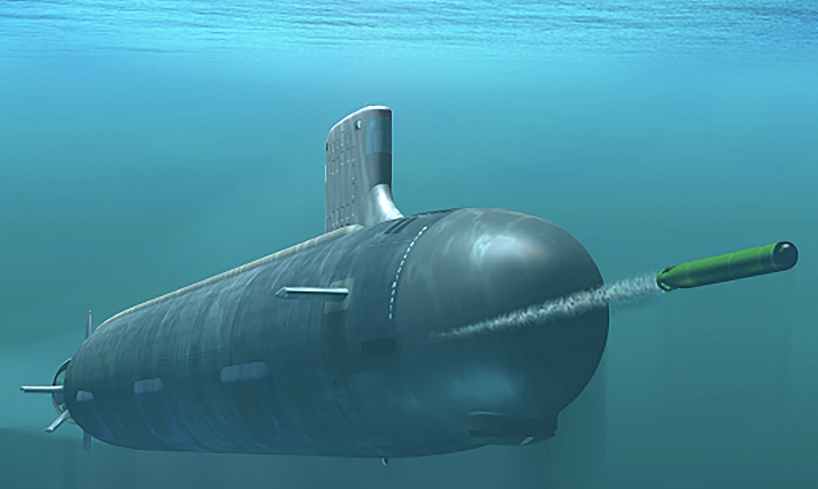
The MK 48 torpedo serves as a critical heavyweight weapon in submarine warfare, designed to engage high-value naval targets effectively. Its operational capabilities enhance the lethality and stealth of modern submarines, making it a vital asset in the naval arsenal. The MK 48 is specifically engineered for deep-sea engagements and possesses advanced guidance systems that allow it to track and strike enemy vessels with high precision.
Technical Specifications and Engagement
Equipped with sophisticated sonar and guidance technology, the MK 48 is capable of navigating complex underwater environments. The torpedo can execute its mission autonomously, allowing submarines to remain undetected while delivering a powerful strike. Its design enables engagement against a variety of surface and subsurface targets, making it versatile for tactical naval operations. The combination of range, speed, and explosive power ensures that the MK 48 torpedo remains a formidable component of undersea warfare strategies.
This advanced weaponry raises significant implications for naval defense strategies worldwide. As nations invest in submarine capabilities, understanding the capabilities of the MK 48 becomes paramount for both strategic planning and countermeasures. The focus on enhancing submarine warfare with such advanced munitions suggests an ongoing arms race in undersea capabilities, where nations must adapt to evolving threats and technologies.
Moreover, the integration of the MK 48 into naval fleets underscores the importance of maintaining a technological edge in maritime warfare. Analysts will be watching how this weapon influences naval engagements and the broader geopolitical landscape as countries seek to assert dominance in contested waters.
Sources: Thedefensepost, Center for International Maritime Security, The Times of India, The War Zone, and Military.com




