Understanding Türkiye's Role Ahead of the 2026 NATO Summit

Türkiye: A Complex NATO Ally
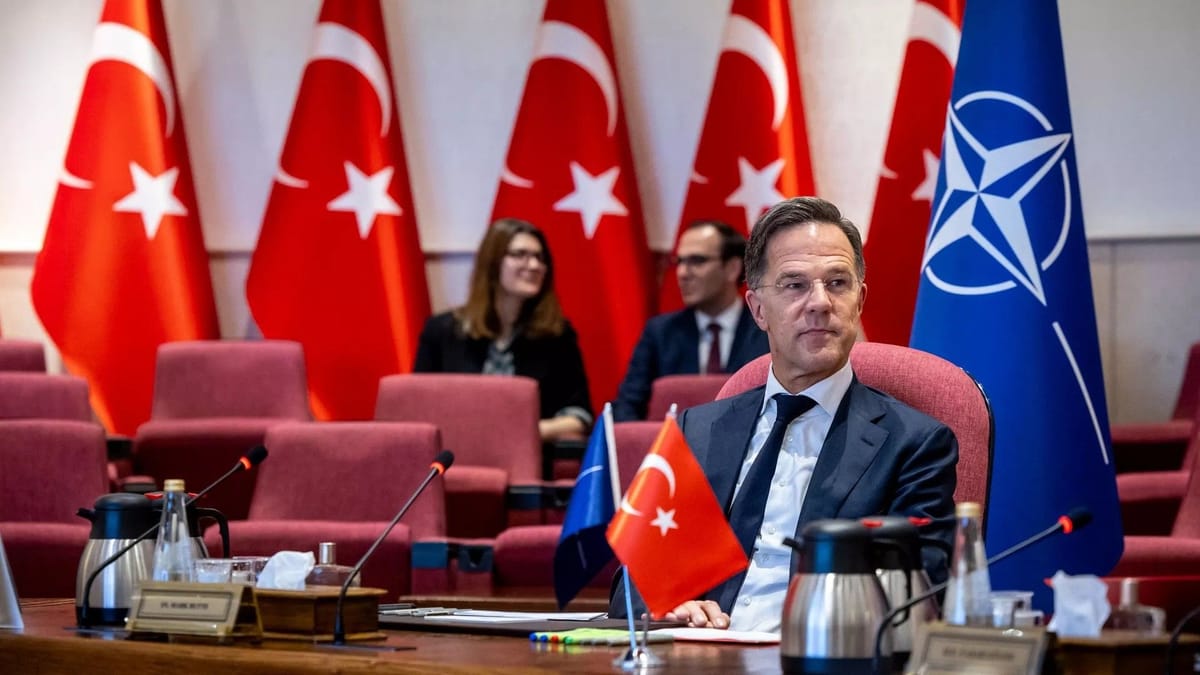
As the 2026 NATO summit approaches, Türkiye's role within the alliance is increasingly scrutinized. While Ankara has been central to discussions surrounding NATO expansion, particularly regarding Sweden’s accession, its actions have raised questions about its reliability as a partner. The country’s acquisition of Russian S-400 defense systems and its ongoing dialogue with Moscow further complicate its standing among NATO allies.
Over recent years, Türkiye has been characterized as a difficult ally due to its diverging interests from those of other NATO members. The delay in Sweden’s accession to NATO, which Türkiye has leveraged to address its own security concerns, exemplifies Ankara’s approach to alliance politics. Additionally, the purchase of the S-400 systems from Russia has led to tensions with the United States, prompting sanctions and raising doubts about Türkiye's commitment to NATO's collective defense principles.
Implications for NATO's Future
As NATO prepares for the upcoming summit, understanding Türkiye's strategic motivations is crucial for the alliance’s cohesion. The duality of Türkiye's position—acting as a bridge to the East while being anchored in the West—places it in a unique yet precarious position. This raises the question of how NATO will reconcile its defense strategies with a member state that simultaneously engages with adversarial powers.
The implications of Türkiye's actions extend beyond immediate military concerns, potentially affecting the future unity of NATO. As other member states observe how Ankara balances its relationships, analysts will be watching closely for shifts in alliance dynamics and policy responses that could redefine NATO's collective posture in a rapidly evolving global security landscape.
Sources: Defence24, Defence24.com, Modern War Institute -, Foreign Policy Research Institute, and Atlantic Council