US Air Force Seeks Contractors for International Pilot Training Programs

U.S. Air Force Seeks Contractors for Foreign Pilot Training
The United States Air Force (USAF) is actively soliciting contractors to facilitate pilot training for foreign military personnel receiving U.S. military assistance. This initiative, delineated in a recent Request for Information (RFI), aims to enhance the capabilities of allied nations through structured pilot education programs.
Training Objectives and Curriculum Design
The training will be conducted at Air Force bases within the continental United States and will cover a wide array of combat and non-combat missions. Contractors are expected to provide instruction across nine mission types:
- Combat support and light attack
- Reconnaissance and observation
- Intelligence, surveillance, and reconnaissance (ISR)
- Search and rescue operations
- Maritime patrol
- Electronic warfare
- Medical evacuation
- Transport and airlift missions
- VIP transport
The curriculum is designed to offer a comprehensive educational experience. It will encompass foundational flight skills, advanced combat maneuvers, and mission planning tailored to specific aircraft and operational environments. Support training will also cover critical areas such as:
- Communications
- Intelligence analysis
- Logistical considerations
Training modalities will include both traditional classroom instruction and advanced electronic learning tools, such as interactive simulations and virtual reality systems. Additionally, contractors are encouraged to incorporate simulator sessions focused on emergency procedures and mission rehearsals.
Diverse Aircraft Training Spectrum
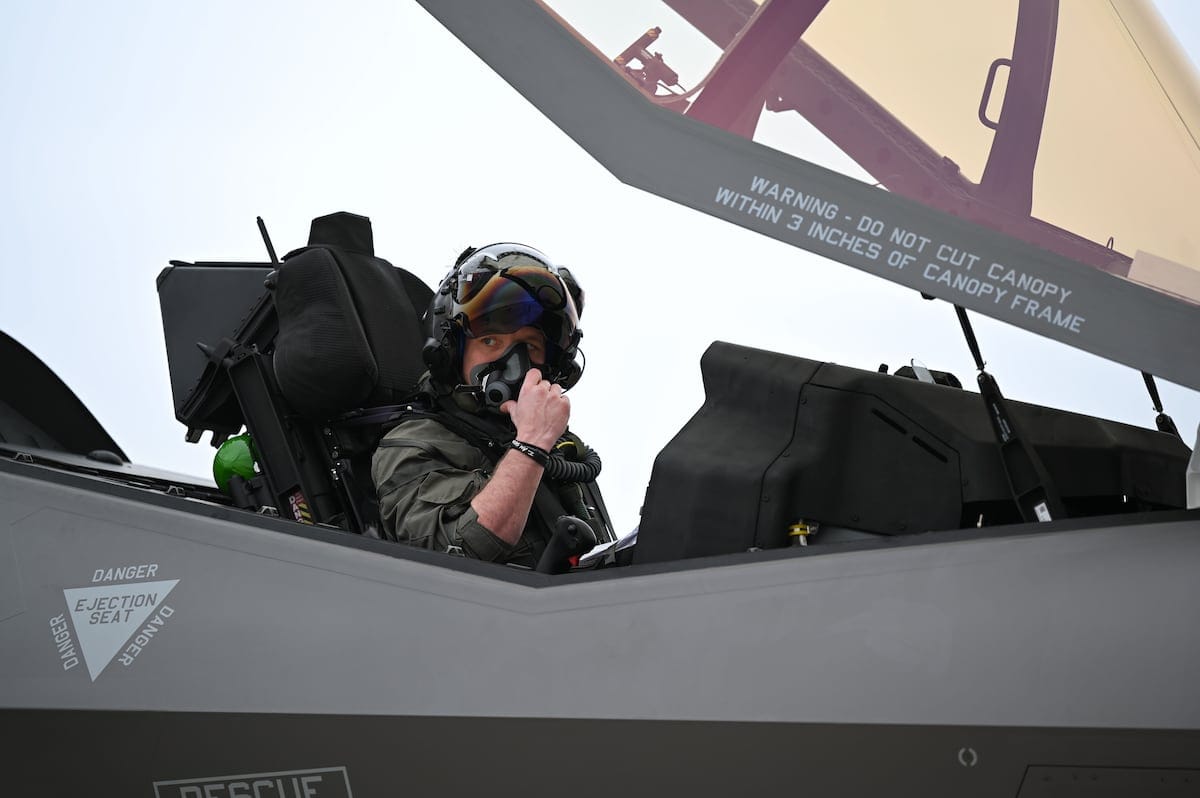
While the Air Force currently instructs foreign pilots on advanced platforms like the F-15, F-16, and F-35 fighter jets, this RFI expands the scope to include a broader range of military and civilian aircraft. The selection encompasses older, simpler aircraft types likely to be utilized in less developed regions. Noteworthy aircraft mentioned in the RFI include:
- Jet and Prop Trainers: T-38, L-39, AT/T-6, PC-9
- Civil Aviation Models: Cessna 172
- Cargo and Passenger Aircraft:
- Lighter models: C-208, C-145
- Medium types: C-26, KA-350
- Larger platforms: C-212, C-130
- Business Jets: Learjet, C-500, Gulfstream
- Commercial Airliners: Boeing 707, 737
- Helicopters: MD500, UH-1, S-70, Mi-17
Ensuring compliance with international flight regulations and Federal Aviation Administration (FAA) guidelines will be crucial, as the training will occur at the facilities of the selected contractors, utilizing their available aircraft and infrastructure.
Contractor Requirements and Strategic Considerations
To successfully respond to the RFI, contractors must articulate their methodologies for pilot and crew training, including:
- Engagement with high-fidelity simulators
- Delivery of academic content
- Procedures for maintenance and technical training
- Support systems for aircrew operations
Furthermore, bidders should address how they deal with cultural nuances and operational demands specific to partner nations within the framework of the Foreign Military Sales program.
Given the heterogeneous mix of aircraft—both U.S. and foreign-made—contractors must demonstrate competence in managing maintenance challenges under varied operating conditions. Responses should reflect an understanding of the current market landscape and the capabilities of potential suppliers to satisfy the specific needs of international partners.
Engagement Timelines and Strategic Implications
The RFI deadline is set for March 4, presenting a timely opportunity for industry participants to engage with the USAF on this critical training initiative. By investing in the professional development of foreign pilots, the Air Force not only enhances the operational readiness of allied forces but also strengthens international security cooperation, fostering a more robust global defense posture.
In light of evolving security threats, the expansion of foreign pilot training aligns with the USAF’s strategy to enhance interoperability among allied nations, thereby contributing to collective defense objectives and regional stability.