US and NATO Allies to Conduct Reduced Baltic Sea Drills

Overview of Upcoming Drills
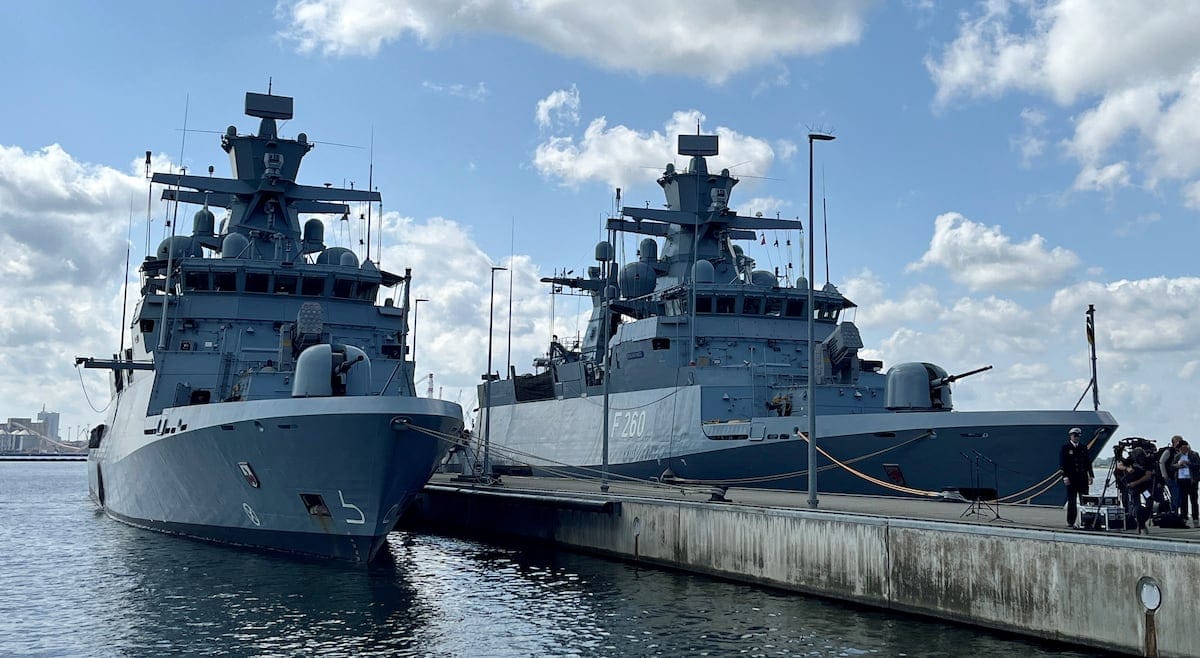
In a significant development, the United States and its NATO allies are set to launch scaled-back military exercises in the Baltic Sea. This initiative reflects operational realities faced by the coalition forces rather than a diminishing commitment to regional security. The drills are expected to commence shortly, reinforcing the alliance’s readiness amid evolving geopolitical tensions.
Context and Implications
The decision to reduce the scale of the drills comes at a time when NATO has been adapting to a dynamic security environment. This adjustment is not indicative of a retreat from the region but rather a recognition of current operational capabilities and the need to allocate resources effectively. Such a move may also be seen as a response to the significant military activities conducted by Russia in the vicinity, which have heightened concerns among NATO member states.
Analysts will be watching how this decision impacts NATO’s posture in Eastern Europe. The reduced footprint could serve to demonstrate flexibility and pragmatism within the alliance, while also maintaining a deterrent presence against potential adversaries. It underscores the balance NATO seeks to strike between demonstrating military readiness and managing the logistics of joint operations.
Why it Matters
This development raises important questions regarding NATO's future operational strategies in the Baltic region. The reduced military exercises could lead to a recalibration of defense postures, influencing both member states' readiness levels and their collaborative capabilities. As the geopolitical landscape continues to shift, maintaining a robust yet adaptable presence in critical regions like the Baltic Sea will be essential for collective security.
Sources: Defensenews, Defense News, europeafrica.army.mil, Mynewsdesk, and The New York Times