US Army Adapting Pacific Commands for Enhanced Multi-Domain Operations

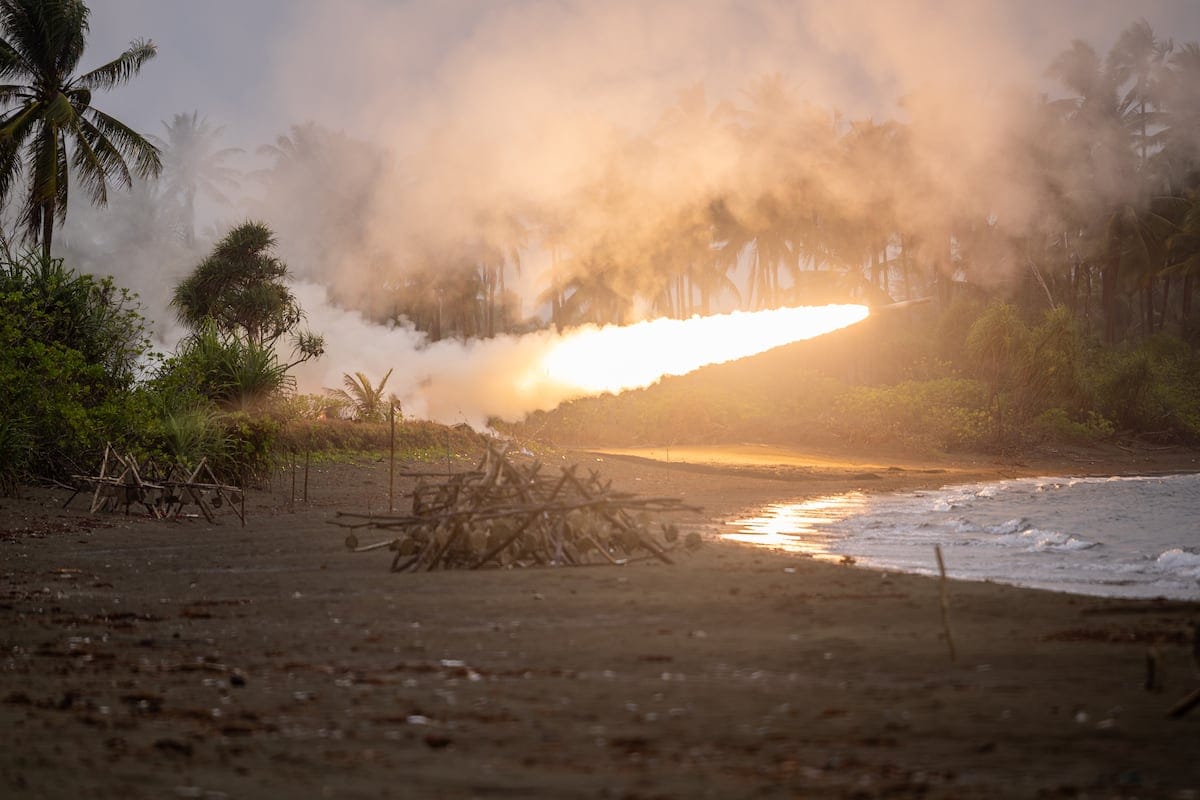
Strategic Transformation: The U.S. Army’s Multi-Domain Command Structure in the Pacific
The U.S. Army is embarking on a significant reorganization in the Pacific theater, with plans to establish two new Multi-Domain Commands (MDCs) that will oversee and direct the evolving capabilities of its Multi-Domain Task Forces (MDTFs). This initiative aims to bolster deterrence against increasing Chinese assertiveness and is a critical component of the Army’s broader transformation strategy.
Overview of Multi-Domain Commands
General Ronald Clark, the Commander of U.S. Army Pacific, recently outlined the Army’s commitment to establishing four MDCs, two of which will reside in the Pacific region: Multi-Domain Command — Pacific and Multi-Domain Command — Japan. The other two commands will focus on Europe and the overarching Army structure.
Key Features of the Multi-Domain Commands:
- Enhanced Authority: The new commands will operate with a two-star headquarters, providing greater command authority to engage effectively with U.S. Indo-Pacific Command (INDOPACOM) and higher-level joint forces.
- Operational Flexibility: The Army intends to size these commands differently, positioning them to rapidly adapt to evolving operational demands.
Evolution of Multi-Domain Task Forces
The inaugural MDTF was established at Joint Base Lewis-McChord in 2018 as an experiment in operationalizing multi-domain capabilities. This initial unit has since transitioned into an operational force, contributing to the Army’s Multi-Domain Operations doctrine.
- Expansion of MDTFs: The Army aims to build an additional four MDTFs by 2028, integrating diverse capabilities to operate across land, air, sea, space, and cyberspace.
- Enhanced Capabilities: These units will be equipped with advanced weaponry, including:
- Precision Strike Missile
- Long-Range Hypersonic Weapon
- Mid-Range Capability Missile
- Intelligence and Information Sharing: MDTFs will prioritize intelligence gathering and facilitate information exchange among joint forces, enabling more effective targeting.
Deterrence in Action
Recent engagements, particularly those involving MDTFs in the Pacific, have bolstered deterrence efforts. The first MDTF’s presence in the Philippines during U.S. Army training cycles has drawn significant attention from Chinese military observers, highlighting its impact on regional power dynamics.
Importance of Structured Command Authority:
General Clark underscored the necessity of creating a more prominent command structure for the MDTFs based on recent assessments that call for robust operational capabilities:
- Increase in Tasks and Funding: As these commands come online, they will necessitate additional resourcing and expanded missions.
- Budget Considerations: The Army’s fiscal 2026 budget proposal reflects anticipated funding requirements to establish the new commands effectively.
Structural Integration of Multi-Domain Task Forces
The integration of MDTFs with the MDCs is carefully formulated. The 1st and 3rd MDTFs will operate under the Multi-Domain Command — Pacific, while the 4th MDTF will be associated with Multi-Domain Command — Japan. This strategy combines operational command with existing command structures, facilitating greater coherence in military operations.
Command Hierarchy:
- Theater-Level Capacity: The MDTFs possess inherent capabilities in cyber operations, electronic warfare, and integrated air and missile defense—allowing them to extend their influence beyond traditional joint operations.
- Command Leadership: While initially led by colonels, MDTFs will now integrate into a two-star command structure to enhance command efficacy across the region.
Preparing for Future Challenges
In summary, the establishment of these Multi-Domain Commands represents a pivotal shift in the U.S. Army’s operational approach in the Pacific. By augmenting its command structure and focusing on innovative multi-domain capabilities, the Army seeks to adapt more effectively to the complex geopolitical challenges it faces. This transformation underscores a commitment not only to maintaining strategic deterrence but also to ensuring that U.S. forces can operate seamlessly in a rapidly evolving security environment.
As the Army continues to develop in this direction, the implications for joint operations and broader defense strategies will be significant, marking a new chapter in American military readiness and regional influence.