US Army Conducts Trials of Skyhammer Interceptor for Enhanced Drone Defense

Testing Advanced Air Defense Technologies
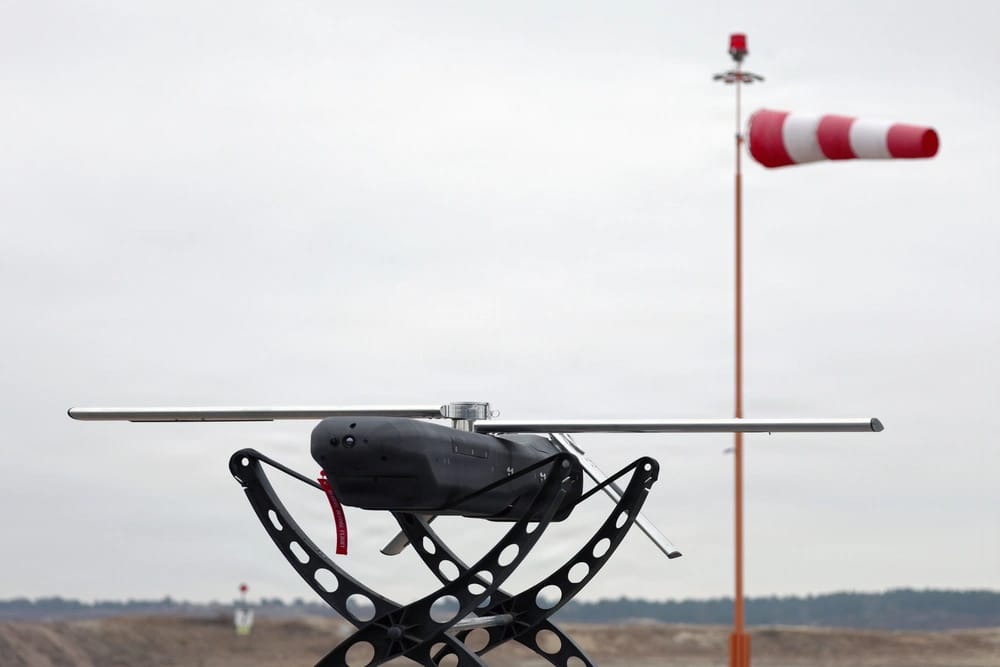
The US Army has recently tested the Skyhammer system, developed by Cambridge Aerospace, as part of its ongoing initiative to evaluate cutting-edge air defense technologies. This testing marks a significant step in enhancing the Army's capability to counter emerging aerial threats, particularly unmanned aerial vehicles (UAVs) or drones.
The Skyhammer system aims to address the increasing vulnerability of military assets to drone attacks. As drones have become more prevalent on the battlefield and in potential conflict scenarios, the need for robust air defense solutions is paramount. The evaluation of the Skyhammer system aligns with the Army's broader strategy to integrate advanced technologies into its defense arsenal. This system, with its unique interceptor capabilities, is designed to provide a proactive defense mechanism against hostile drones, thereby reinforcing operational security for ground troops and critical infrastructure.
Implications for Future Defense Strategies
The significance of these trials extends beyond immediate operational capabilities. As military strategies evolve to counter asymmetric threats, analysts will be watching the outcomes of such tests closely. The integration of systems like Skyhammer could reshape the landscape of aerial defense by providing forces with more effective tools to neutralize drone threats before they can cause harm. This development also highlights the growing recognition of drone warfare and the necessity of adapting defense strategies accordingly.
Ultimately, the successful incorporation of the Skyhammer system could signal a shift in how the US Army approaches air defense, emphasizing proactive measures against emerging threats. As the Army continues to refine its air defense portfolio, the lessons learned from these trials will likely inform future procurement and operational planning, ensuring that US forces remain prepared for the complexities of modern warfare.
Sources: Thedefensepost, The Defense Post, Defence Industry Europe, Aviation Week, and Business Insider