
US Army Explores Meatless Proteins for Combat Zone Sustainability

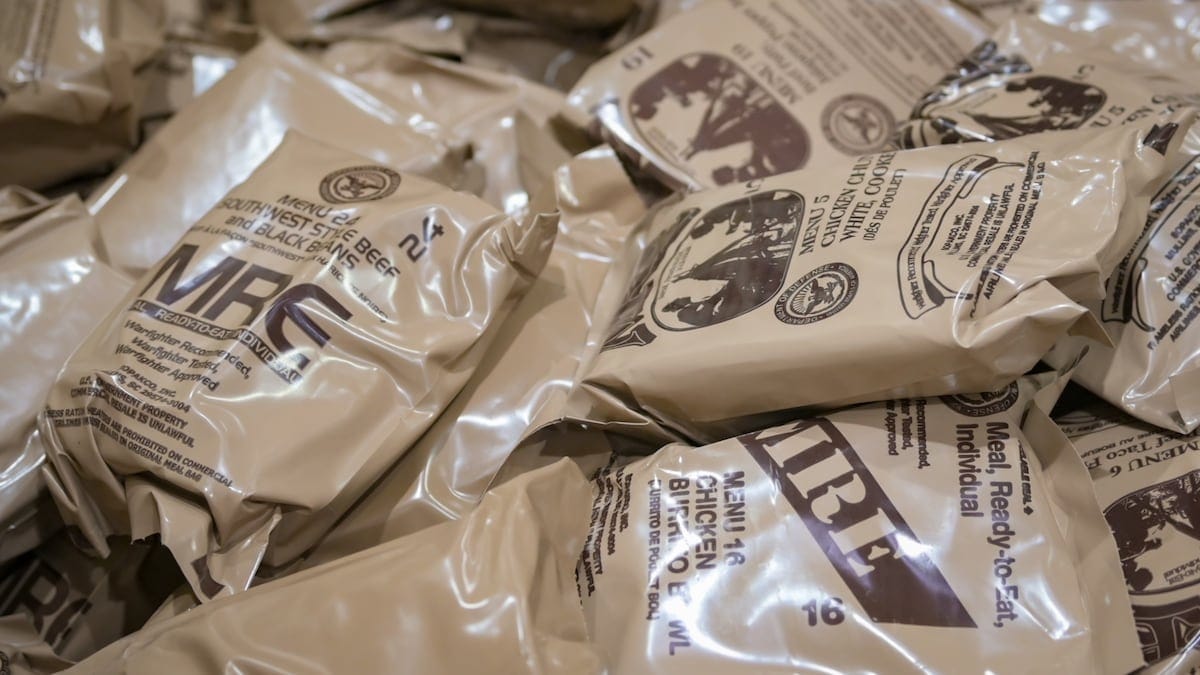
Emerging Alternative-Protein Sector
The US Army is actively pursuing the production of meatless proteins in combat zones as part of its strategy to enhance food supply chain resilience. This initiative highlights the Army's commitment to adapting to modern supply challenges, particularly in forward-operating environments where logistics can be constrained. By exploring the potential of the alternative-protein sector, the Army aims to secure a reliable source of nutrition for troops deployed in various locations.
As military operations often face logistical hurdles, especially regarding food supply, this shift towards plant-based proteins could significantly reduce dependency on traditional meat sources. Not only does this approach promise to streamline supply chains, but it also aligns with growing global trends towards sustainability and health. The Army's exploration of meatless options may lead to the development of innovative food technologies that can be utilized in both military and civilian sectors.
Why it matters
The implications of this initiative are multifaceted. By investing in alternative proteins, the Army could improve the nutritional profiles available to soldiers while also reducing the environmental impact associated with meat production. This raises the question of how such developments may influence future military logistics and sustainability practices. Analysts will be watching closely to see how these efforts evolve, particularly in relation to the broader defense strategy and operational capabilities.
Sources: Defensenews, Military Times, Frontiers, Nature, and MSN