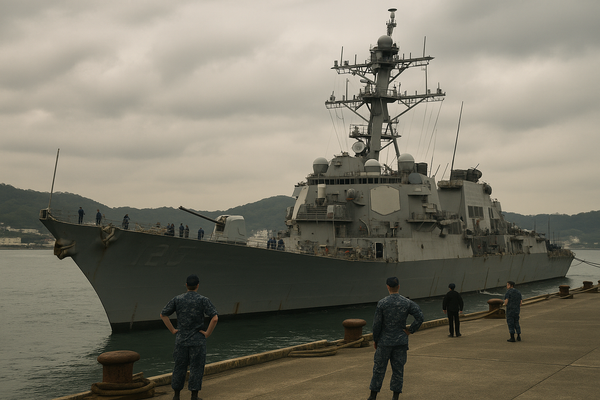
US Army Reshapes Indo-Pacific Command Structure for Enhanced Multi-Domain Operations

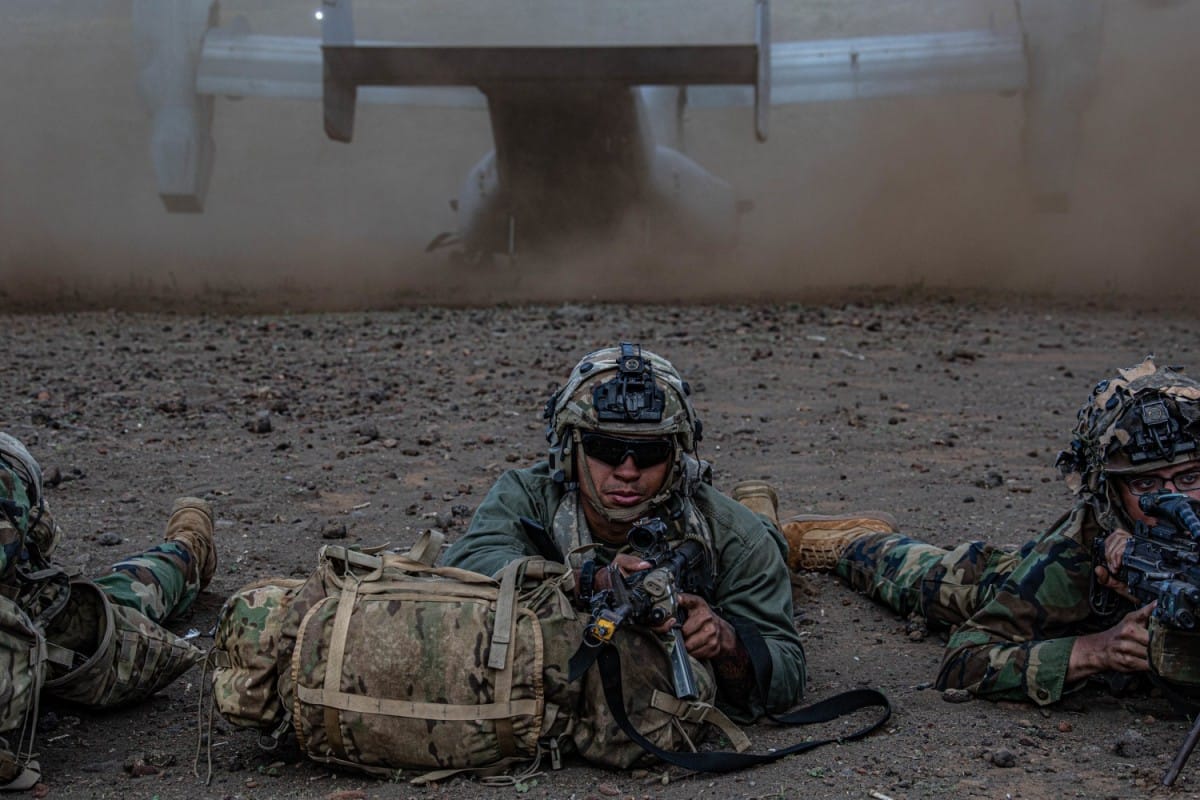
Strategic Realignment in the Indo-Pacific
The US Army is implementing a new regional command structure aimed at better coordinating military operations across the Indo-Pacific. This initiative reflects an ongoing commitment to enhance operational effectiveness in response to evolving security challenges in the region.
This structural shift is part of a larger strategy to enable multi-domain operations that integrate land, air, sea, cyber, and space capabilities. By reorganizing its command framework, the Army aims to streamline decision-making processes and improve collaboration with allied forces. This move is particularly significant given the growing complexity of threats in the Indo-Pacific, including increased military activities by other nations and the need for a more agile response framework.
Importance of Coordination and Agility
The new command structure is expected to facilitate enhanced communication and operational synergy among US military branches and partner nations. As the geopolitical landscape continues to shift, effective coordination will be crucial for deterrence and readiness. The Army's approach underscores the necessity of adapting to the demands of modern warfare, which increasingly requires joint efforts across multiple domains.
Why it matters: This strategic restructuring is a proactive measure to ensure the US military remains responsive and effective in the Indo-Pacific. Analysts will be watching how these changes impact operational readiness and influence the dynamics of military partnerships in the region. The implication is that as the US Army refines its command structure, it may set a precedent for future military transformations globally, emphasizing the importance of flexibility and integration in defense strategies.
Sources: Thedefensepost, The Defense Post, DVIDS, Atlantic Council, and army.mil