US Army Seeks Next-Gen Air Defense Missiles to Replace Stinger

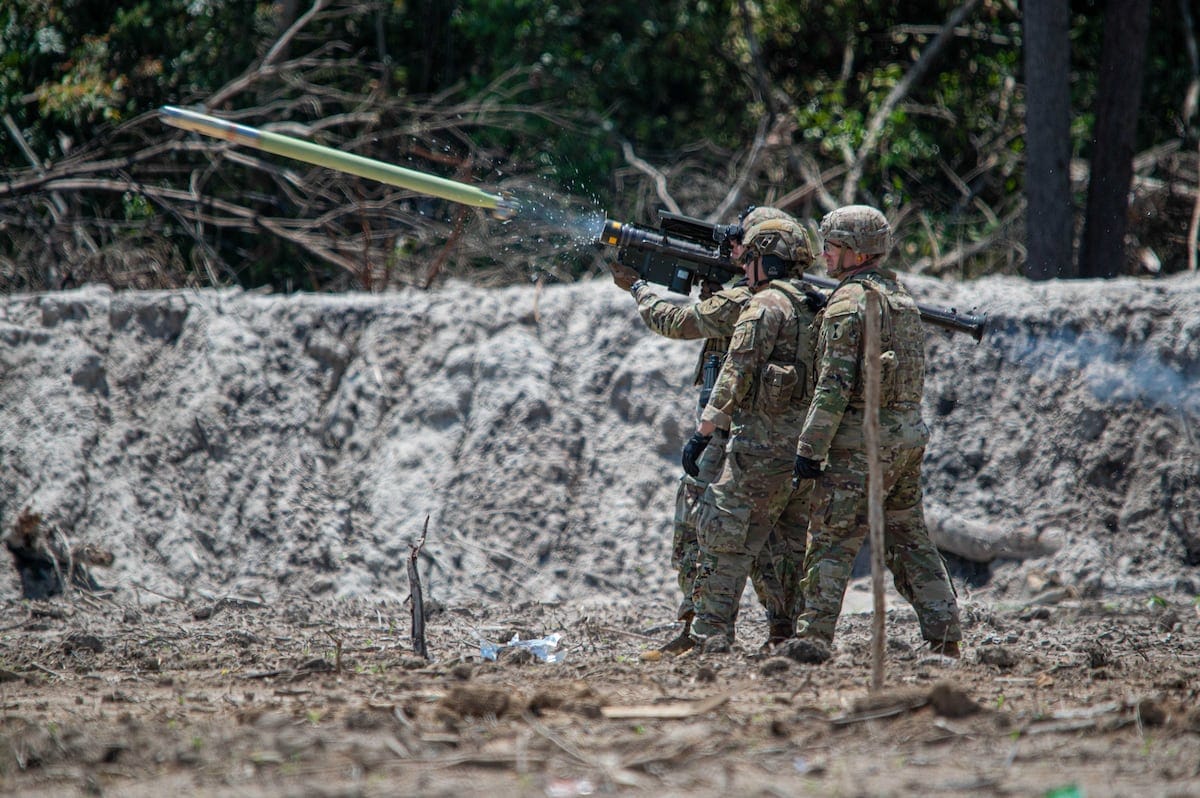
US Army's Request for Next-Gen Interceptors
The US Army has initiated a Request for Information (RFI) aimed at identifying companies capable of delivering 11,000 next-generation short-range interceptors, intended to replace the aging Stinger missile system. This initiative is set to begin in Fiscal Year 2028 and underscores the Army's commitment to enhancing its air defense capabilities in response to evolving threats.
This move comes at a time when air defense systems are becoming increasingly critical in modern warfare. The Stinger, long a staple of the US Army's air defense, has faced challenges due to advances in enemy capabilities and the growing complexity of the battlefield. By seeking to invest in next-generation interceptors, the Army is actively pursuing technologies that can provide a more effective response to diverse aerial threats, including unmanned aerial vehicles (UAVs) and advanced missile systems.
Strategic Implications of the Army's Initiative
The focus on short-range interceptors suggests a strategic pivot towards systems that can operate effectively in contested environments, where traditional air defense systems may fall short. This raises the question of how quickly the Army can transition to these new technologies, given the evolving nature of aerial threats. The RFI indicates a proactive approach to ensuring that the Army remains equipped to counter potential adversaries, whose capabilities may threaten US airspace and forces.
Why it matters: The Army's push for next-gen interceptors not only reflects a response to current threats but also highlights the need for continuous innovation in military technology. As defense professionals monitor this development, the implications extend beyond procurement; they signal a broader trend towards modernization and adaptation in military strategy. Analysts will be watching how this initiative aligns with overall defense priorities and impacts future military readiness.
Sources: Defensenews, Military Times, Interesting Engineering, Universe Space Tech, and ExecutiveBiz