US Army's XM7 Rifle Declared 'Unsuitable' for Contemporary Combat by Infantry Captain

Reevaluating the XM7 Assault Rifle: Insights from the Field
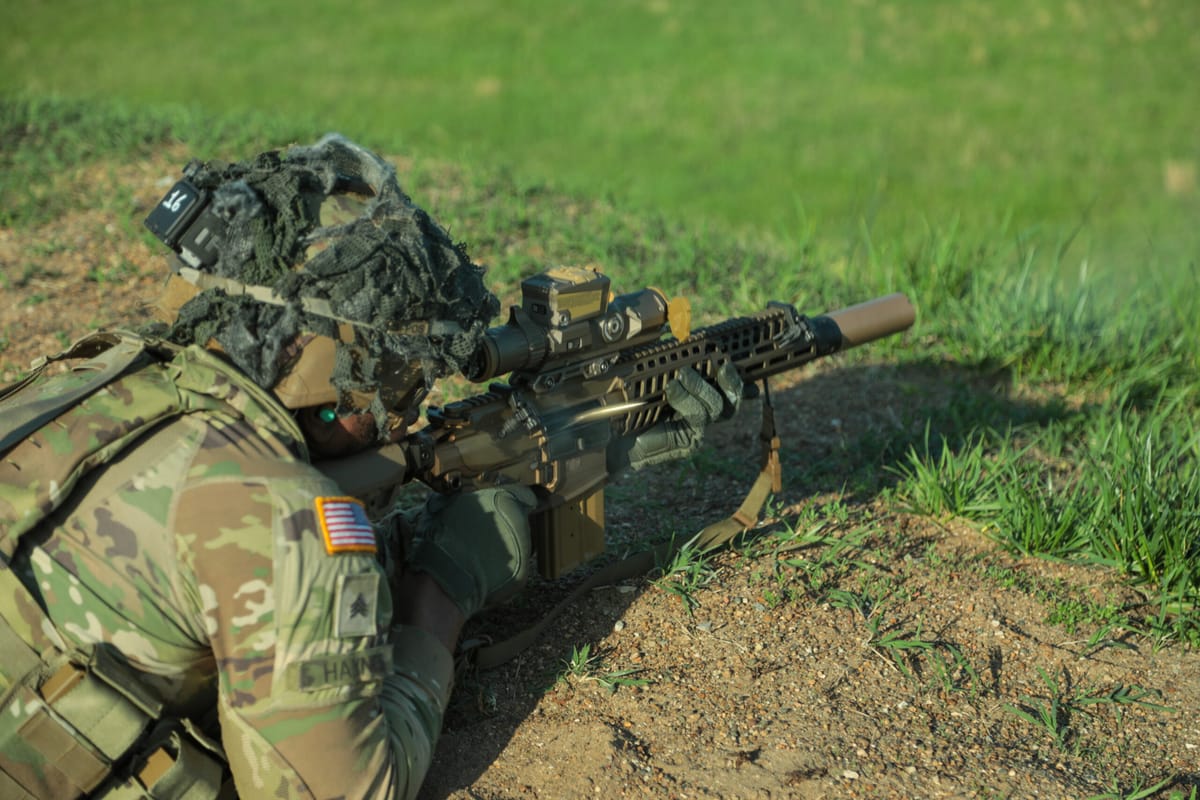
The introduction of the XM7 assault rifle, designed by Sig Sauer, as part of the U.S. Army’s Next Generation Squad Weapon (NGSW) program marks a significant shift in infantry firepower, aimed at replacing the longstanding M4 automatic rifle. However, early field assessments suggest that the XM7 may not meet the operational needs and expectations of modern soldiers.
Operational Concerns Raised by Infantry Leadership
Captain Braden Trent, an infantry officer actively engaging with troops, has voiced critical perspectives on the XM7 based on firsthand interactions with over 150 soldiers from the 1st Brigade Combat Team “Bastogne,” the first unit to adopt the new weapon system. His report highlights several challenges that could impact combat effectiveness:
- Ammunition Capacity: The XM7 features a 20-round magazine, a reduction from the M4’s 30 rounds, leading to concerns about rapid ammunition depletion during engagements. Soldiers reported a significant need for more sustained fire capabilities, especially in high-tempo scenarios where fire support is crucial.
- Weight and Maneuverability: Users have expressed that the rifle’s weight and bulk make maneuvering difficult during extended missions. This factor can hinder operational agility, particularly when speed and adaptability are essential on the battlefield.
Technical Shortcomings Identified
Trent’s 52-page evaluation illuminates several technical deficiencies that merit attention:
- Barrel Durability: Early indications of barrel wear—including notable markings near the muzzle and gas block—emerged after firing as few as 2,000 rounds. This raises questions about the rifle’s longevity under combat conditions and its reliability in high-stakes environments.
- Charging Handle Design: The rifle’s charging handle requires a full rearward pull to function properly, potentially slowing troops in critical situations. In fast-paced combat, this design could result in delays that compromise soldier safety and mission success.
The captain’s assertions culminate in a pronounced critique of the XM7 as a “tactically outdated” service weapon, suggesting that it may be more appropriately classified as a designated marksman rifle rather than a standard infantry weapon. Such a classification could hinder the Army’s operational aims in modern warfare, particularly in peer confrontations.
Training Limitations Observed
During training exercises, particular scenarios presented stark limitations. In one instance, Trent’s platoon was assigned to provide suppressive fire but found itself constrained after just ten minutes due to insufficient ammunition. This performance underscores the urgent need to reevaluate the weapon’s efficacy in sustained combat operations.
Army and Manufacturer Responses
In response, the U.S. Army’s Program Executive Office Soldier has issued a defense of the XM7, asserting that it enhances lethality for the Close Combat Force. A spokesperson emphasized the Army’s commitment to incorporating soldier feedback into weapon development, framing the XM7 as crucial to future operational success.
Sig Sauer has also countered the criticisms, with a senior director labeling many of the claims as "patently false." He expressed confidence in the robustness of the XM7, stating that it is designed for high performance and safety.
Conclusion: A Call for Comprehensive Review
The feedback and analyses emerging from early adopters of the XM7 necessitate a comprehensive review of its design and functionality. As modern warfare continues to evolve, ensuring that our soldiers are equipped with reliable and effective weapon systems is paramount. Balancing innovation with practical battlefield needs will be essential in fortifying the Army’s operational capabilities for future challenges.
In sum, the adoption of emerging weapons technology requires a thorough understanding of both soldier experiences and technical specifications to ensure that our armed forces remain capable and combat-ready in an increasingly complex global landscape.