US Defense Bill Enhances Cyber Recruitment and Workforce Stability

Overview of the Fiscal 2027 Defense Policy Bill
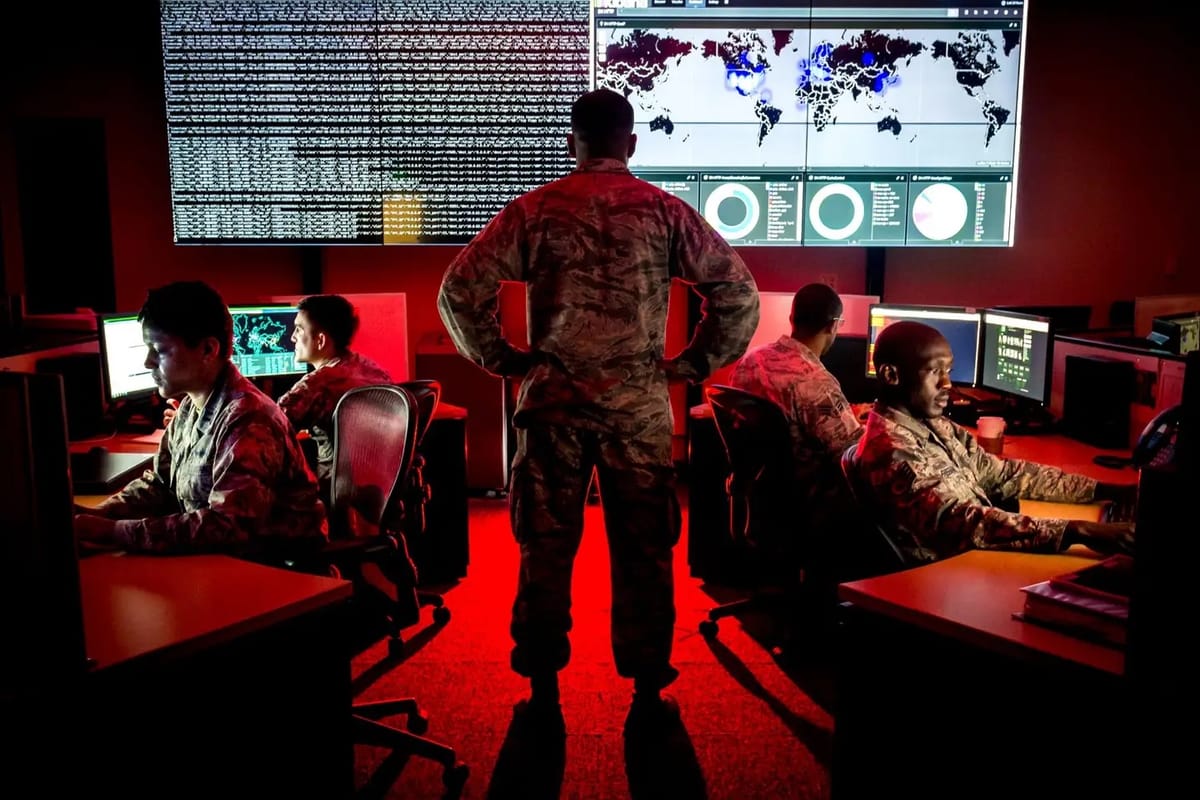
The US is advancing a fiscal 2027 defense policy bill aimed at bolstering the Department of Defense's capabilities in recruiting cyber talent while placing limitations on cuts to the civilian workforce. This initiative underscores the growing recognition of cyber capabilities as a critical element of national security, reflecting a shift in priorities within the defense sector.
Context and Analysis
As cyber threats continue to escalate, the need for highly skilled professionals in cybersecurity has become increasingly urgent. By expanding recruitment efforts specifically for cyber talent, the Department of Defense is responding to the evolving landscape of threats that challenge both military and civilian infrastructures. Additionally, the bill's restrictions on workforce reductions signal a commitment to maintaining stability within the civilian sector of the Department of Defense, which is essential for long-term operational effectiveness.
This legislative move also introduces increased oversight of layoffs, which may help mitigate potential disruptions and maintain morale among existing personnel. The protection of civilian roles is particularly noteworthy, as it suggests a recognition of the vital contributions these positions make to the overall mission of the Department of Defense.
Why It Matters
The implications of this defense bill are significant for future cyber operations and workforce management. The emphasis on recruiting cyber talent not only addresses immediate needs but also prepares the Department of Defense for future challenges in a rapidly changing technological environment. Analysts will be watching how these policies affect the balance between military and civilian roles, as well as the overall effectiveness of the Department's cyber initiatives. Ultimately, the success of these measures will be critical in ensuring the United States remains resilient against emerging cyber threats.
Sources: Thedefensepost, Federal News Network, Industrial Cyber, FEDweek, and SC Media