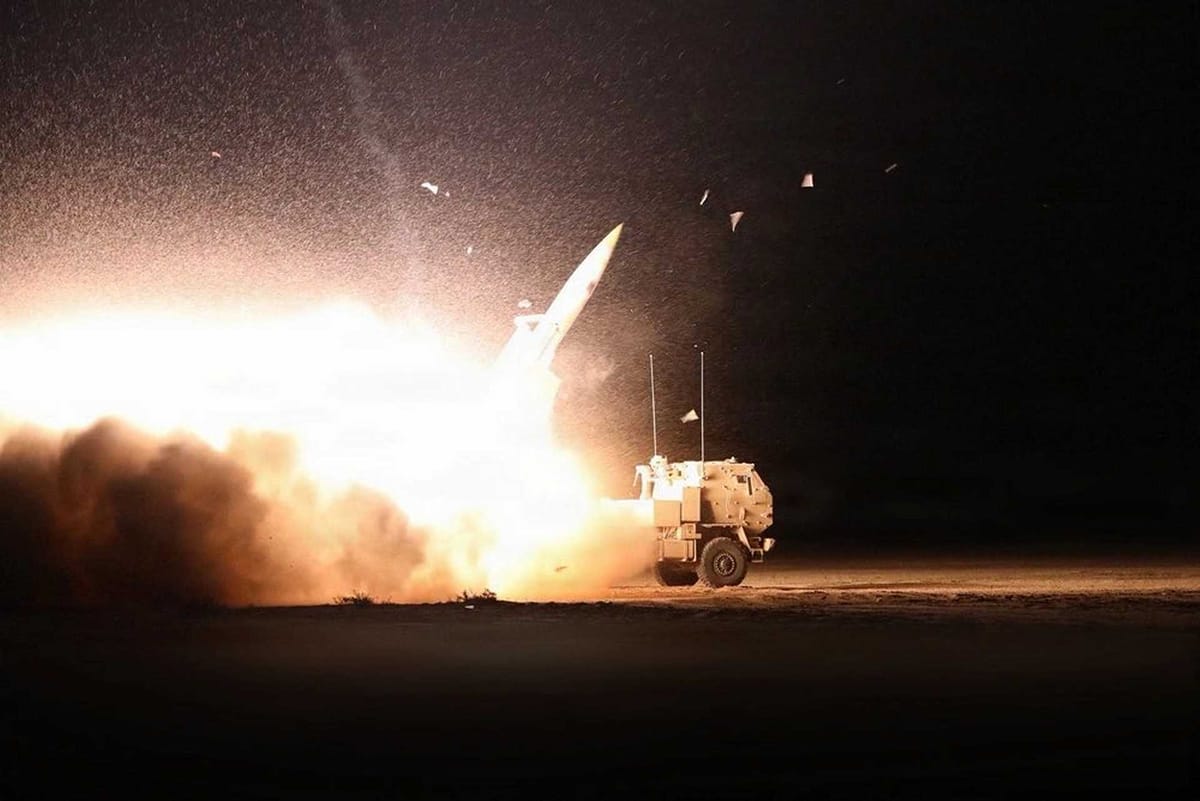
US HIMARS Launch ATACMS Missiles from Kuwait in Strikes on Iranian Military Targets

U.S. Army Strategy: HIMARS and ATACMS in Operation Epic Fury
Overview of Military Engagements
In a significant display of military capability, U.S. Army M142 High Mobility Artillery Rocket Systems (HIMARS) from the Wisconsin National Guard’s 1st Battalion, 121st Field Artillery Regiment launched Army Tactical Missile System (ATACMS) tactical ballistic missiles targeting Iranian military assets during the initial phase of Operation Epic Fury. Conducted from locations in Kuwait, these strikes exemplify the enhanced role of U.S. ground-based long-range precision artillery in high-intensity military operations.
Operational Insights
- First Week of Operation: HIMARS units executed combat launches aimed at Iranian military targets, extending U.S. strike reach into Iranian territory.
- Strategic Objectives: The operation is part of a broader initiative aimed at undermining Iranian missile facilities and command structures, emphasizing the growing importance of precision artillery in contemporary warfare.
HIMARS: Capabilities and Features
The M142 HIMARS system, mounted on a wheeled 6×6 chassis, is renowned for its agility and versatility. Its operational characteristics include:
- Rapid Deployment: Capable of launching guided rockets or ATACMS from a quick-launch platform.
- Shoot-and-Scoot Capability: Its mobility allows rapid repositioning, minimizing exposure to counter-battery fire.
ATACMS Efficacy
The ATACMS missile enhances HIMARS’ capabilities, designed for deep-strike missions against high-value targets:
- Range and Speed: The missile can effectively engage targets up to 300 km away, traveling at supersonic speeds exceeding Mach 3.
- Guidance Systems: Utilizes inertial navigation coupled with GPS for enhanced precision.
Regional Geostrategy
The usage of ATACMS from Kuwait highlights strategic positioning that allows U.S. forces to strike Iranian targets without the need for closer forward deployments. The distance from northern Kuwait to southwestern Iran provides the operational range necessary for effective missile launches, underscoring the U.S. military’s capacity for cross-border precision attacks.
Transformation in Military Doctrine
The deployment of HIMARS and ATACMS demonstrates a shift in tactical doctrine:
- Evolution of Deep-Strike Operations: Traditionally conducted by aircraft or naval platforms, modern missile technology now enables ground forces to perform similar roles.
- Integration with Joint Operations: The ongoing campaign illustrates the synergy of air, land, and sea capabilities to deliver comprehensive strike options.
Role of the National Guard
The involvement of National Guard units like the Wisconsin National Guard showcases the increasing integration of Reserve components into modern warfare. Their extensive training in multinational exercises prepares them for high-stakes missions alongside active-duty personnel.
Conclusion: Strategic Implications
The deployment of HIMARS and ATACMS during Operation Epic Fury reflects a broader U.S. commitment to maintaining operational readiness in the face of regional threats. The ongoing engagement highlights the effectiveness of ground-launched precision-strike systems, which continue to evolve as essential components of U.S. military strategy.
As Operation Epic Fury progresses, the application of long-range artillery systems is anticipated to play a pivotal role in shaping outcomes on the battlefield, demonstrating the capabilities and versatility of the U.S. Army’s artillery modernization efforts.