US Navy Pursues Next-Gen Carrier-Based Drones for Versatile Missions

Expanding the Capabilities of Naval Aviation
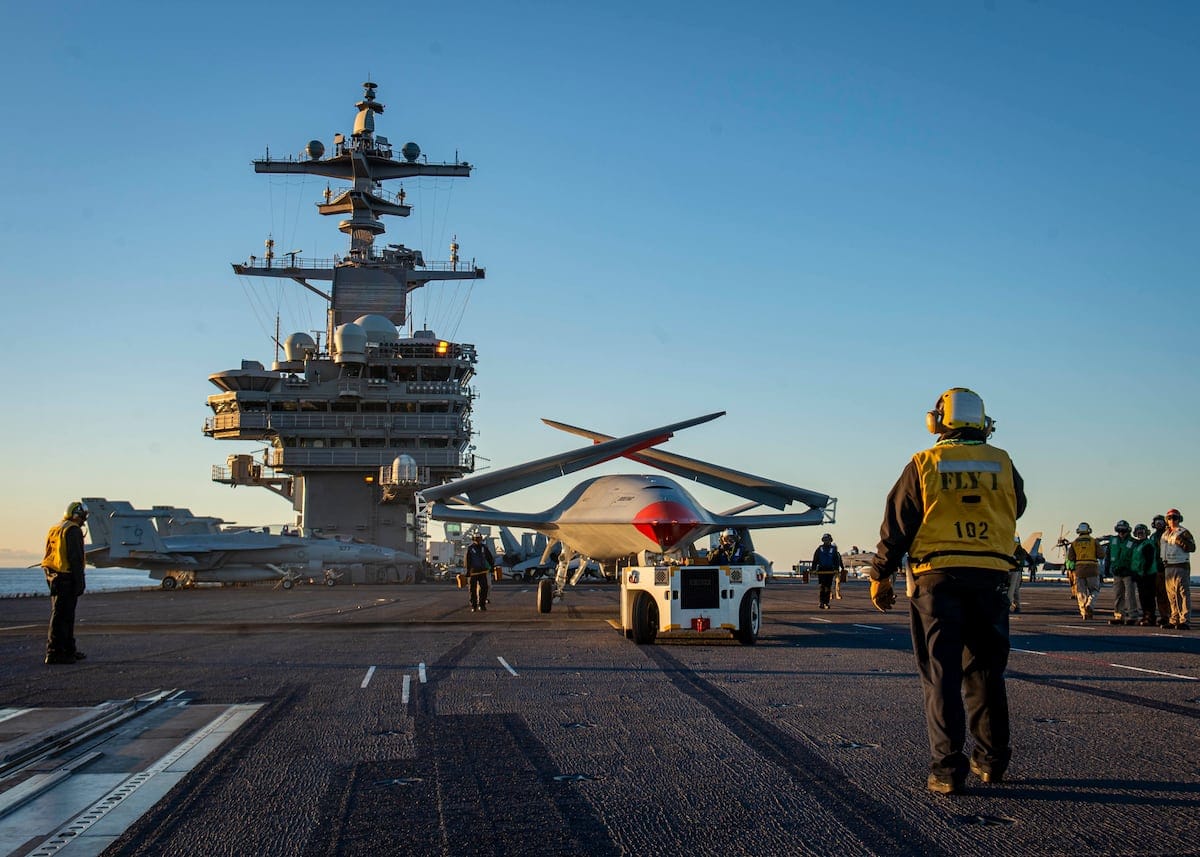
The US Navy is focusing on the development of next-generation carrier-based drones capable of executing a diverse array of missions. These unmanned aerial vehicles (UAVs) are envisioned to perform tasks ranging from strikes and anti-submarine warfare to aerial refueling, enhancing the operational flexibility of naval forces in various combat scenarios.
This initiative reflects a broader trend within military aviation towards integrating advanced drone technology into existing frameworks. By leveraging UAVs, the Navy aims to augment its manned aircraft capabilities, thereby extending the reach and effectiveness of carrier strike groups. The potential for these drones to operate in contested environments could also provide the Navy with a critical edge in future conflicts, allowing for both manned and unmanned assets to work in concert.
Strategic Implications and Future Considerations
The push for next-gen carrier-based drones underscores the Navy’s commitment to modernizing its fleet in response to evolving threats and operational demands. As adversaries develop increasingly sophisticated air defense systems, the integration of UAVs could serve as a force multiplier, allowing for more strategic deployment of resources. Moreover, the ability to conduct aerial refueling and anti-submarine operations with drones signifies a shift in how the Navy might approach multi-domain warfare.
The implications of this development stretch beyond merely enhancing current capabilities. Analysts will be watching to see how these drones are integrated into existing naval operations and how they influence the balance of power in maritime domains. The success of this initiative could pave the way for more extensive use of unmanned systems across all branches of the military, fundamentally reshaping future defense strategies.
Sources: Defensenews, Interesting Engineering, MiGFlug, USNI News, and The Defense Post