US Navy's Precision Strike on Oil Tanker in Gulf of Oman

Incident Overview
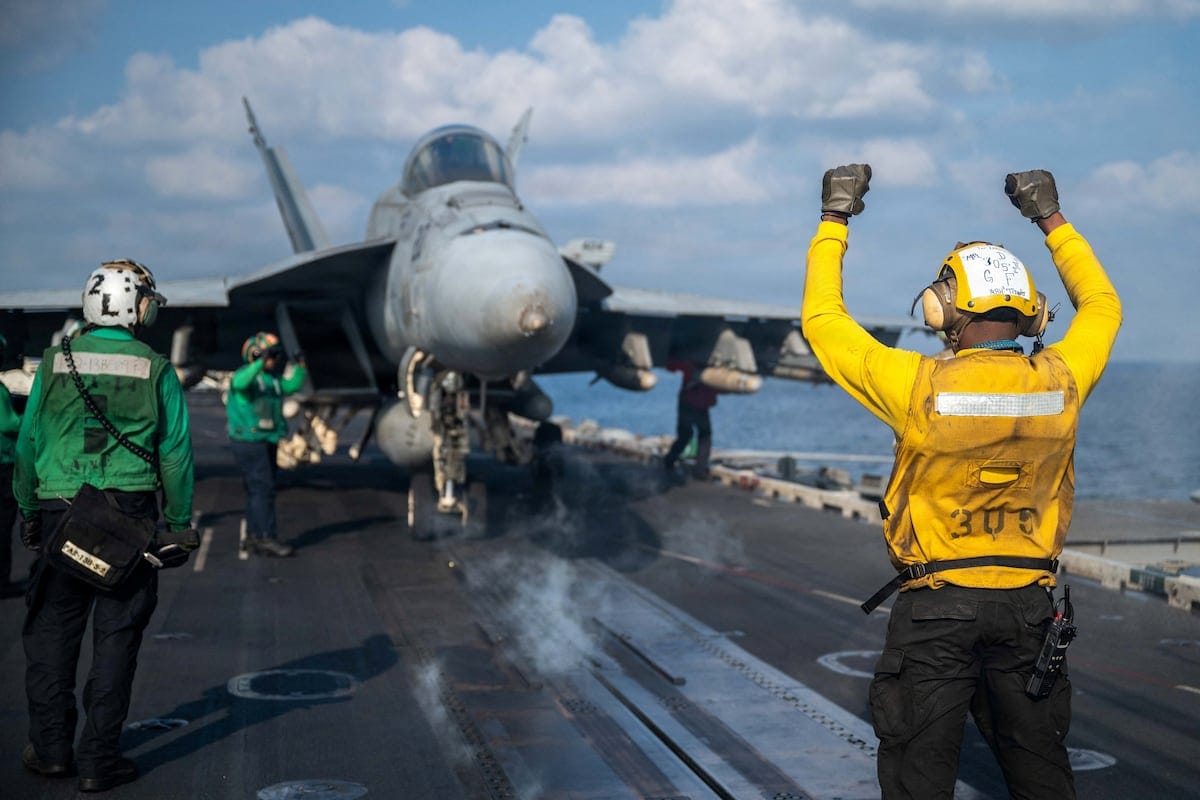
An F/A-18 Super Hornet, operating from the USS Abraham Lincoln, successfully executed a precision strike against an oil tanker in the Gulf of Oman. The aircraft targeted the vessel's engineering and steering compartments with a precision munition, effectively disabling its operational capabilities.
Context and Implications
This operation underscores the US Navy's commitment to maintaining maritime security in strategically critical regions. The Gulf of Oman is a vital conduit for global oil shipments, and any disruption can have significant repercussions for international energy markets and regional stability. The choice to employ a precision munition indicates an intent to minimize collateral damage while achieving military objectives.
The strike also highlights the ongoing tensions in the area, where naval operations have become increasingly common amid geopolitical disputes. The presence of the USS Abraham Lincoln demonstrates the US's readiness to respond to threats in this vital waterway. Such actions may provoke responses from other regional actors, potentially escalating tensions further.
Why it matters: The implications of this incident extend beyond immediate military considerations. Analysts will be watching how this event influences shipping routes and international relations in the Middle East. The US's ability to project power through precision strikes may deter hostile actions in the region, but it also raises questions about the potential for retaliatory measures from affected parties. The balance of military presence and diplomatic efforts will be crucial in navigating the complexities of security in the Gulf of Oman.
Sources: Defensenews, Stars and Stripes, Defense News, SOFX, and BBC