US Pushes NATO to Reassess Huawei's Role in Telecom Security

Security Concerns Over Chinese Technology
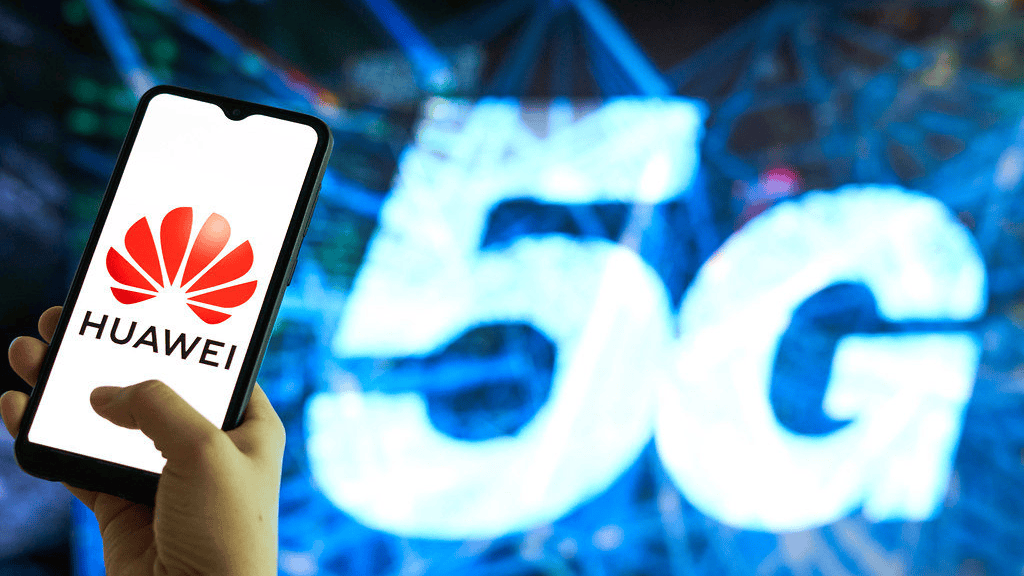
The United States has urged NATO to consider Chinese technology, specifically Huawei, as a significant security issue rather than merely a matter of 5G regulation or commercial competition. This shift in perspective underscores a growing concern regarding the reliance on Chinese components in critical infrastructure, particularly in times of crisis. The current discourse emphasizes that the integrity of telecom networks used by NATO allies must be scrutinized to ensure they are not at risk from foreign influence.
Context and Implications for NATO
As NATO allies increasingly depend on advanced telecommunications for military and strategic operations, the U.S. position reflects a broader recognition of the vulnerabilities posed by foreign technology. The integration of Huawei's equipment into national networks raises questions about the potential for espionage or sabotage. The call from the U.S. signals an urgent need for a cohesive NATO response to safeguard the alliance's technological backbone against potential threats emanating from adversarial nations.
This raises the question of how NATO will navigate its existing partnerships with Chinese firms while addressing the security implications highlighted by the U.S. Moreover, as nations strive for technological advancement, the balance between innovation and security will be a critical focus. The implications of this stance may lead NATO to develop more stringent guidelines for technology procurement and collaboration, ultimately reshaping the landscape of international telecom infrastructure.
Sources: Defence24, The Jamestown Foundation, Atlantic Council, Council on Foreign Relations, and European Council on Foreign Relations