USAF Plan to Extend C-5 and C-17 Operations Raises Concerns

Sustaining Aging Airlift Capabilities: Air Force’s Strategic Approach
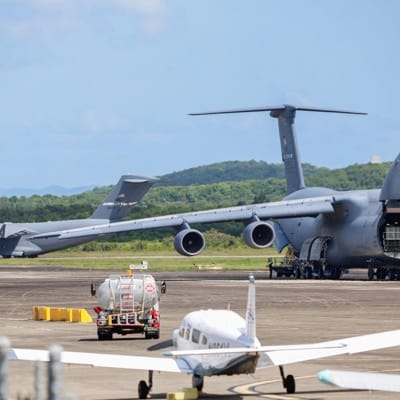
In a pivotal shift for its airlift strategy, the U.S. Air Force has announced plans to extend the operational life of its C-5 and C-17 aircraft, anticipating their service will continue significantly longer than earlier projections. This alteration comes as the military awaits the rollout of the Next-Generation Airlift Aircraft (NGAL).
Prolonged Service Life Expectations
Recent documentation reveals that:
- The C-5 Galaxy is set to remain in service until 2045.
- The C-17 Globemaster is projected to operate until 2075.
This decision to prolong their service lifespan has raised concerns among some former leadership figures within the mobility community, who question the effectiveness of continuing to rely on these legacy systems.
Rationale Behind Extension
The solicitation memo outlines several key reasons for this extension:
- Capacity Assurance: The Air Force must maintain adequate airlift capabilities while awaiting the introduction of NGAL, expected to enter production by 2038 with initial operational readiness occurring in 2041.
- Mitigation Strategies: The memo emphasizes the necessity to sustain the current C-5M and C-17A fleets amidst uncertainties related to funding, technological advancements, and potential acquisition setbacks.
Under the plan, one C-5 will be retired as each new NGAL is introduced, followed by a similar process for the C-17s.
Challenges of Maintaining Aging Platforms
Former officials highlight the significant challenges involved in sustaining these systems:
- Maintenance Issues: Aging airframes face heightened maintenance demands, leading to variable mission-capable rates. The C-5, for instance, recently reported a mere 48% mission-capable rate attributed to maintenance delays and substantial supply-chain disruptions.
- Operational Reliability: The serviceability of the C-5 has drawn scrutiny, particularly with ongoing efforts like the “Drive to 55” initiative aimed at increasing its operational availability.
Mike Minihan, a former commander of Air Mobility Command, voiced doubts regarding the effectiveness of this strategy:
“Why would this approach to this old problem yield a different result than what has already occurred?”
Minihan advocates for a focused effort on NGAL development while questioning whether current upgrades are genuinely aligned with the needs of modern warfare.
Current Capability and Safety Concerns
- The C-17, while exhibiting a more reliable mission-capable rate of 75%, has faced scrutiny due to 21 class-A incidents—some of the most serious and costly mishaps—over the past four years.
- Jessica Ruttenber, a former Air Force pilot and program manager, expressed skepticism about the long-term viability of extending the C-5 and C-17, emphasizing the sustained high costs associated with maintaining older aircraft.
Future Outlook
With responses to the NGAL solicitation expected within the next couple of months and a thorough analysis of alternatives planned for 2027, the Air Force’s strategy underscores a pivotal balancing act: sustaining the legacy fleet while pressing forward with the development of next-generation capabilities.
As the military contemplates the future of its strategic airlift, the core challenge remains clear: harmonizing the need for modern, efficient airlift solutions with the operational demand of existing platforms. The Air Force’s ongoing adaptation will be critical to meeting global operational requirements within an increasingly complex geopolitical landscape.