
USAF Pursues Modular and Cost-Effective Successor to MQ-9 Reaper

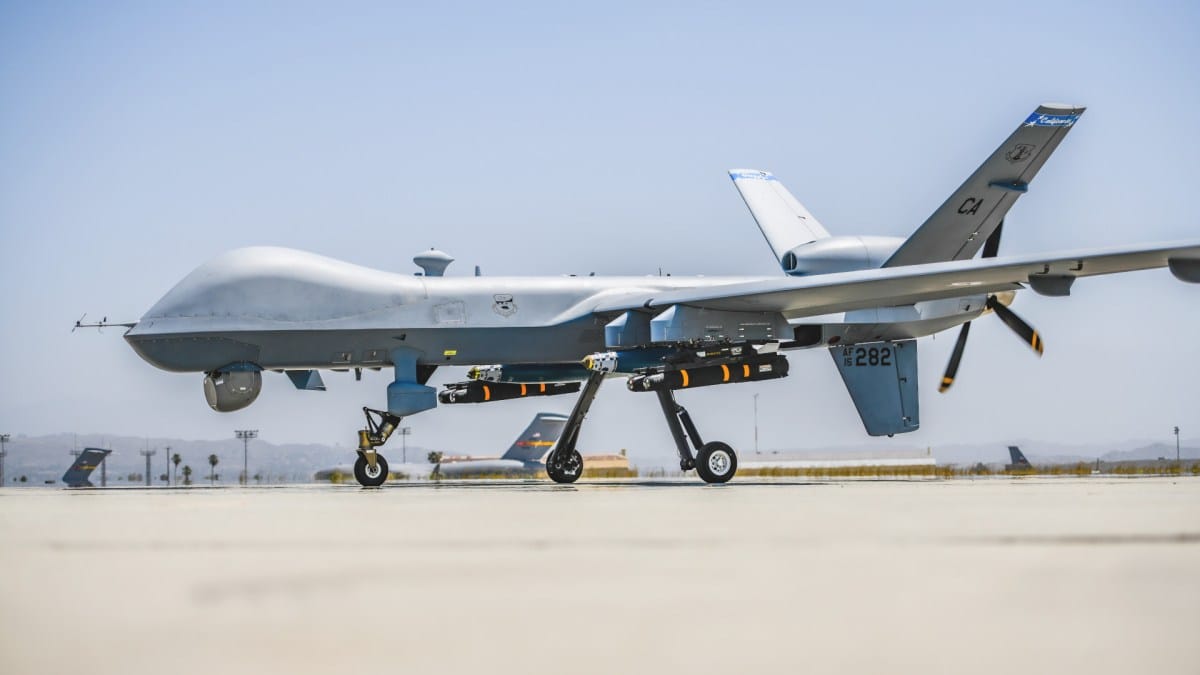
Future of Unmanned Aerial Vehicles
The United States Air Force (USAF) is intensifying discussions regarding a successor to the MQ-9 Reaper, driven by growing concerns over the losses of these unmanned aerial vehicles (UAVs). The push for a replacement comes at a time when the operational capability and durability of the Reaper have come under scrutiny, prompting a reevaluation of unmanned systems in modern warfare.
With the increasing complexity of combat environments and the evolving nature of threats, the USAF envisions a new platform that is both modular and cost-effective. This approach aims to create a UAV that can adapt to a variety of mission profiles while minimizing procurement and maintenance expenses. The concept of modularity is particularly significant as it allows for rapid upgrades and integration of new technologies, ensuring that the platform remains relevant in the face of advancing adversarial capabilities.
Strategic Implications
The emphasis on developing a more affordable and versatile UAV comes in response to the need for increased operational flexibility. Analysts will be watching closely as the USAF navigates the balance between cost, capability, and technological innovation. The potential for a cheaper, modular platform could alter the dynamics of air warfare, allowing the USAF to leverage swarms of UAVs for various tactical objectives, thereby enhancing overall mission effectiveness. Furthermore, this shift may influence procurement strategies across the defense industry, setting a precedent for future projects.
Understanding the implications of this initiative is crucial for defense professionals. As the USAF moves forward with its plans, the focus on a modular and economically viable successor to the MQ-9 Reaper could reshape aerial combat strategies and procurement decisions, ultimately impacting the United States' operational readiness in an increasingly competitive global landscape.
Sources: Twz, The War Zone, eciks.org, Defence Industry Europe, and WION