USAF Seeks Exact Replica of Shahed Drone to Aid in Defense Development

Strategic Initiative for Drone Defense: U.S. Air Force Seeks Replication of Shahed-136
Overview of the Initiative
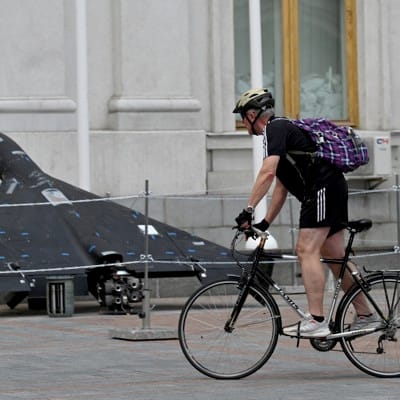
The United States Air Force is taking proactive measures to enhance its counter-drone capabilities by soliciting industry partners to create an exact duplicate of the Shahed-136 drone. This Iranian-designed unmanned aerial vehicle (UAV) has been prominently used by Russian forces in sustained assaults against Ukraine. The primary goal of this initiative is to develop and rigorously test defensive mechanisms tailored to neutralize this specific drone architecture.
Acquisition Details
The Air Force aims to procure 16 units of these replicas, with an additional option for 20 more in the future. This move is part of a broader strategy to innovate the next generation of counter-drone programs, as outlined in a recent request for information (RFI).
Specifications Required
The RFI specifies that the replication must meet stringent criteria:
- Must be a 1:1 replica, encompassing form, fit, and function of the Shahed-136.
- Payload capacity should range from 70 to 100 pounds.
- Operational range must extend to at least 50 miles, which, while significantly less than the Shahed’s estimated 1,000+ miles, is adequate for evaluation purposes.
The Shahed-136: A Tactical Asset
Originally conceptualized and produced in Iran, the Shahed-136 has been extensively modified and mass-produced under Russian licensing. This drone has emerged as an essential asset for Russian military operations in Ukraine, primarily due to its affordability, with an estimated cost of only $30,000 to $40,000 per unit. This pricing creates a stark contrast with Western missile systems, which can be significantly more expensive, thereby driving the need for more cost-effective defense solutions.
Industry Response
Several U.S. defense contractors are already in the process of developing competitors that mirror the Shahed-136 capabilities. Noteworthy efforts include:
- SpektreWorks: This Arizona-based company showcased its Low-Cost Uncrewed Combat Attack System (LUCAS) at a recent Pentagon demonstration. LUCAS is engineered to effectively emulate the operational traits of the Shahed.
- Griffon Aerospace: Located in Alabama, this firm has introduced the MQM-172 Arrowhead, which is being promoted as both a kamikaze drone and a target system.
Technical Considerations and Guidelines
The Air Force emphasizes that while general guidelines are provided in the RFI, it will not furnish a technical data package. This stipulation mandates that companies take on the responsibility of conceptualizing and engineering their versions of the drone from the ground up.
Integration Testing
The resulting drones are intended for use within the service’s armament directorate at Eglin Air Force Base, Florida, where they will undergo various operational tests to evaluate the effectiveness of potential countermeasures against the original Shahed-136.
This initiative encapsulates a forward-thinking approach as the U.S. military aims to stay ahead in the evolving landscape of aerial warfare, particularly in addressing the growing threat posed by low-cost drone technologies.