Vacancy in Senate Following Senator Lindsey Graham's Death

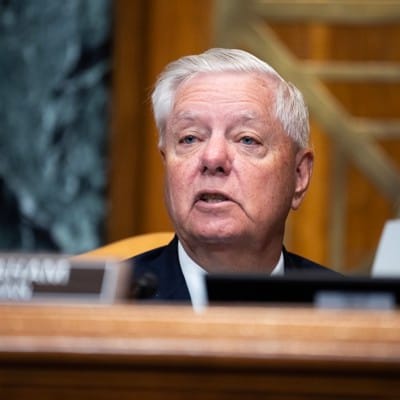
Senator Lindsey Graham's Passing
Senator Lindsey Graham, a prominent South Carolina Republican, has died, leaving his Senate seat vacant. Graham was known for his leadership as chair of the Senate Budget Committee and for heading a crucial appropriations panel. His death marks a significant moment in the current political landscape, as he was a key figure in shaping budgetary decisions and defense appropriations in the Senate.
Context and Implications
Throughout his tenure, Graham was a vocal advocate for defense spending and military readiness, influencing legislation that supports U.S. defense initiatives. His absence may create a gap in support for ongoing defense projects and funding, as well as in legislative negotiations related to national security. The Senate Budget Committee, which Graham chaired, plays a critical role in determining fiscal priorities, and his leadership was instrumental in advancing the Republican agenda on budgetary issues.
The current Republican majority in the Senate will now face the challenge of filling the vacancy left by Graham. This situation could lead to shifts in policy discussions and potentially impact the direction of future appropriations, especially in defense. Analysts will be watching closely to see how the appointment of a new senator may affect ongoing budget negotiations and the overall legislative process.
Why It Matters: The void created by Graham's departure raises questions about the future direction of defense funding and appropriations. With his focus on military support, the Senate will need to ensure that the critical areas of defense spending remain prioritized. The appointment of his successor will be crucial in maintaining momentum for defense-related legislation, and the implications of this transition will be significant for U.S. security policy moving forward.
Sources: Defenseone