Venezuela and Colombia Forge Military Alliance Against Border Criminality

Collaboration Against Shared Threats
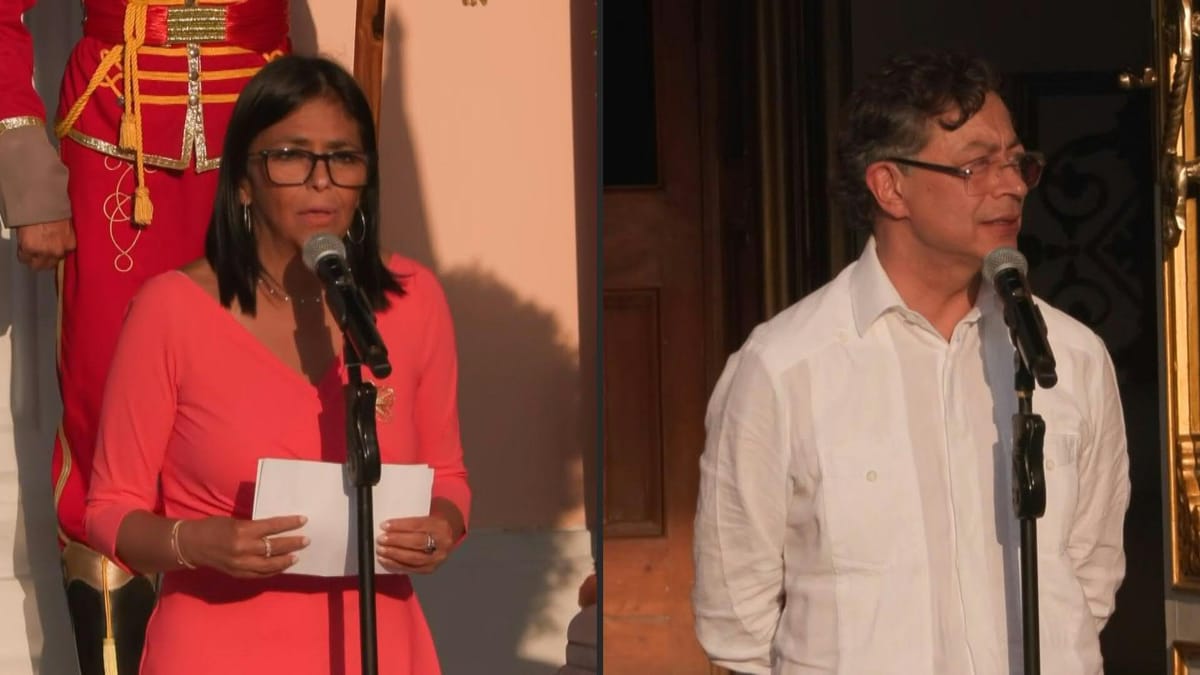
In a significant development for regional security, Venezuelan President Delcy Rodriguez and Colombian President Gustavo Petro have pledged military cooperation aimed at combating "mafias" operating along their shared border. This announcement marks the first official visit by Rodriguez to Colombia following the leadership transition in Venezuela, highlighting a potential shift in diplomatic relations between the two nations.
The agreement comes at a time when both countries are grappling with the challenges posed by organized crime, particularly in border areas that have historically been plagued by illegal activities. Rodriguez and Petro's commitment to work together militarily suggests a recognition that enhanced coordination is essential to address these complex security issues. Analysts note that this collaboration could lead to more robust operations targeting criminal networks that exploit the porous border.
Implications for Regional Stability
This strengthening of military ties could have significant implications for the region. First, it may alter the balance of power among criminal organizations operating in the region, as unified military efforts could disrupt their operations. Additionally, the move could prompt reactions from neighboring countries and international stakeholders concerned about the potential spillover effects of increased military activity.
The collaboration also raises questions about the future of U.S. interests in Latin America, particularly as the Biden administration has focused on addressing root causes of migration and violence in the region. U.S. defense policy may need to adapt to the evolving dynamics resulting from this partnership, especially if it leads to a more entrenched military presence by both Venezuela and Colombia along their borders.
Sources: Thedefensepost, Venezuelanalysis, Inbox.eu, Global Initiative against Transnational Organized Crime (GI-TOC), and The Soufan Center