Volkswagen Aims to Enter the Weapons Manufacturing Sector and is Making Significant Progress

Volkswagen’s Foray into Military Equipment Production: A Strategic Shift
German automobile manufacturer Volkswagen has made headlines recently with announcements that hint at a shift in focus towards producing military equipment. CEO Oliver Blume expressed his openness to discussions with potential collaborators in the defense sector, marking a notable development for a company traditionally associated with civilian automotive manufacturing.
Declining Car Exports: A Catalyst for Change
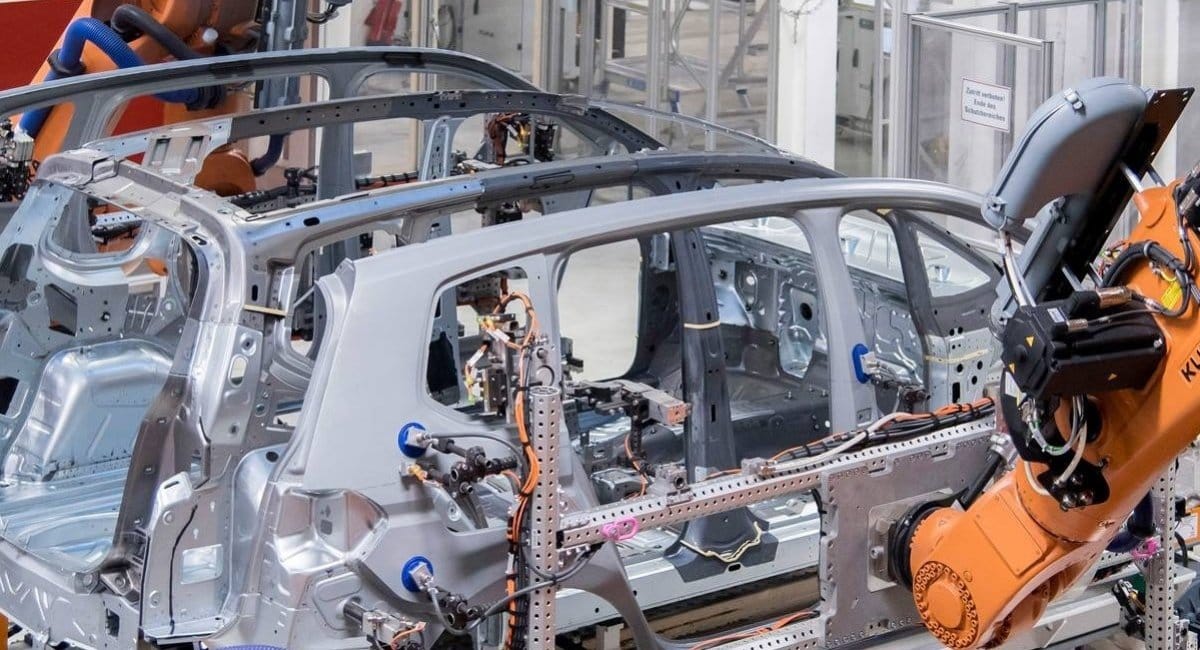
A significant decline in car exports has been noted, leading to manufacturing plants operating below 100% capacity. This downturn in the automotive market is a crucial factor behind Volkswagen’s strategic pivot. The automotive industry in the European Union has experienced a dramatic slump, with new car sales plummeting from 15.1 million to just 10.6 million over the past five years, according to reports cited by The Telegraph. In light of this, the German defense industry is positioned for growth thanks to the EU’s ReArm Europe plan—a strategy that removes budgetary constraints and encourages military investment.
Volkswagen as an Industrial Powerhouse
With an annual revenue exceeding €320 billion and a global workforce of over 660,000 across 130 manufacturing facilities, Volkswagen represents a vast industrial entity capable of significant shifts in production capabilities. This well-established infrastructure could be leveraged for manufacturing military components, enhancing the defense supply chain transparently and efficiently.
Existing Involvement in Defense Manufacturing
Interestingly, Volkswagen isn’t entirely new to the defense sector. The company already operates within this sphere through its ownership of the Traton Group, which encompasses MAN, a well-known manufacturer of military vehicles. MAN has a joint venture with Rheinmetall, known as Rheinmetall MAN Military Vehicles, responsible for supplying HX series military trucks to the Bundeswehr (Germany’s armed forces). This existing relationship signifies Volkswagen’s foundational knowledge and capabilities in the military vehicle domain, providing a head start should they choose to expand production efforts.
Competitive Landscape in Car Manufacturing
The strategic move towards military production is not unique to Volkswagen. Rheinmetall, another key player in the defense industry, is also reacting to the reduced demand for automotive parts by diversifying two of its factories to produce weapons and ammunition. As the automotive landscape changes, it’s becoming increasingly common for companies once primarily focused on vehicle production to explore military contracts as a viable business alternative.
Evaluating Potential Military Production Concepts
Currently, Volkswagen is navigating preliminary considerations about venturing further into the military sector. CEO Blume clarified that while there are no immediate plans to manufacture specific types of weapons or military equipment, the company remains open to exploring opportunities. His assertion underscores that any initiatives will likely be driven more by demands from the defense industry rather than a primary shift by Volkswagen itself.
This pathway indicates that Volkswagen is not positioning itself as a full-fledged defense manufacturer overnight, but rather as a potential producer of specialized military components. This could include engines and transmissions for armored personnel carriers and infantry fighting vehicles, along with various essential parts such as axles, suspensions, and power supply systems.
Components Manufacturing Expertise
Given Volkswagen’s extensive manufacturing capabilities and skilled workforce, the transition to producing components vital for military applications appears feasible. With these resources, prime contractors could efficiently scale their production of finished military assets.
However, executing this shift depends on several factors, including defense contractors’ financial capabilities to support increased orders and their willingness to partner with a non-traditional player in military manufacturing.
Conclusion: Implications for Volkswagen and the Defense Industry
While Volkswagen’s intentions to delve into military equipment production are still in the evaluation phase, the company’s massive industrial capacity and existing foundations in defense through its subsidiaries position it well for potential involvement. As the landscape of both the automotive and defense industries evolves, Volkswagen’s adaptability may signify a new era for its operations, broadening horizons beyond conventional automobile manufacturing.
This intersection of automotive expertise and military production could offer not just a lifeline amid declining vehicle sales but also introduce a new player in the growing defense sector, raising questions about the future dynamics of military supply chains in Europe.