Accelerated Tomahawk Missile Use and Procurement Amid Iran Conflict

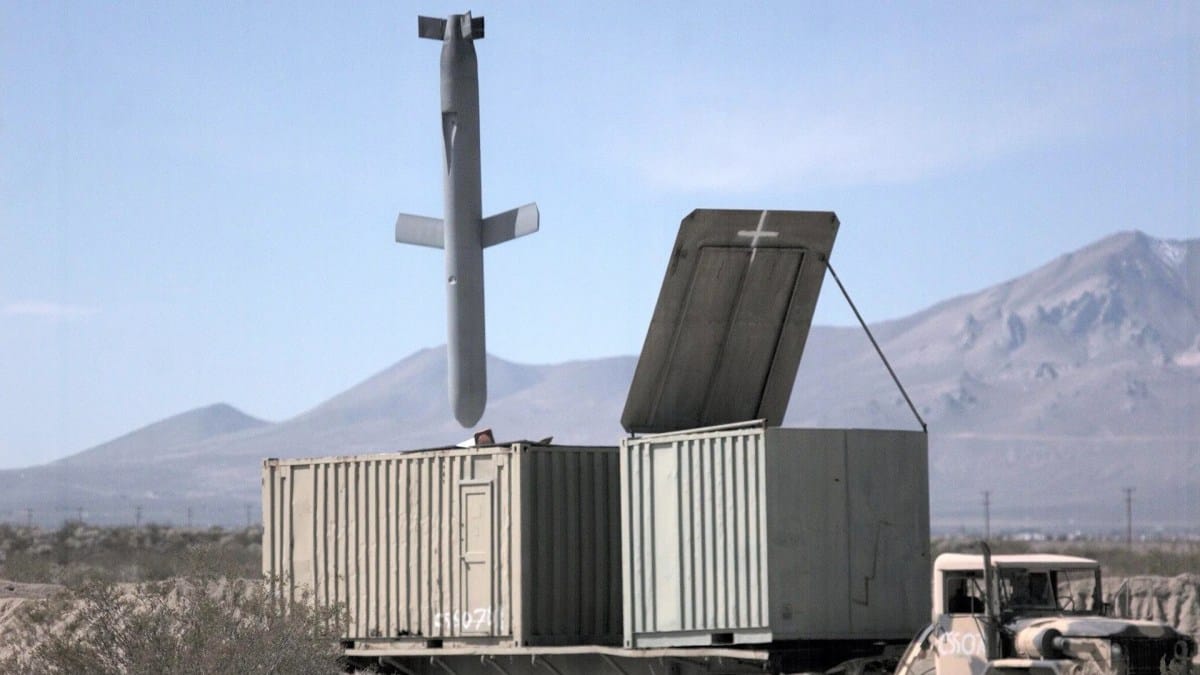
The ongoing conflict with Iran has led to unprecedented levels of munitions expenditure, particularly concerning the U.S. Navy's Tomahawk cruise missiles. Reports indicate that over 850 Tomahawk missiles have been deployed within a mere four weeks, prompting urgent discussions about replenishing stockpiles and future procurement strategies.
What happened
The rapid consumption of Tomahawk missiles during the Iran war raises significant concerns regarding U.S. military readiness. As the Navy grapples with this depletion, the demand for increased procurement has become critical. In light of the current operational tempo, the Navy is advocating for a staggering 1,200% increase in missile production to replenish its stock by 2027, requesting approximately $3 billion to facilitate this effort.
The strategic calculus
This situation is further complicated by the evolving threat landscape, notably the recent cruise missile tests conducted by North Korea. Kim Jong Un's oversight of missile launches from naval platforms underscores the need for the U.S. and its allies to remain vigilant and responsive to emerging threats from adversaries. These developments necessitate a reevaluation of existing defense strategies and munitions stockpiles.
- 850 Tomahawk missiles used in four weeks of conflict
- $3 billion requested for missile procurement
- 1,200% increase in production sought by the Navy
- North Korea tests cruise missiles amid heightened tensions
The rapid depletion of Tomahawk missiles is not merely a logistical challenge; it serves as a signal of the intensifying nature of military engagements in the region. The U.S. military must prioritize not only immediate needs but also long-term strategies for maintaining operational readiness against both state and non-state actors.
Looking ahead, the implications of these developments are multifaceted. As the U.S. increases its procurement of Tomahawk missiles, it will need to consider:
- The sustainability of manufacturing capabilities to meet the surge in demand.
- Potential impacts on the defense industry, including supply chain constraints.
- Reassessment of military strategy in light of adversarial missile capabilities.
Given the current trajectory, U.S. defense policy may need to adapt to the reality of higher conflict expenditures and a potential arms race in missile capabilities. This situation underlines the urgency for Congress and military planners to address both immediate procurement challenges and long-term strategic considerations as they navigate an increasingly complex defense landscape.
Sources: Twz, Defensenews, and Thedefensepost