Accelerating the Future: YFQ-44 Fury Fighter Drone Enters Critical Testing Phase

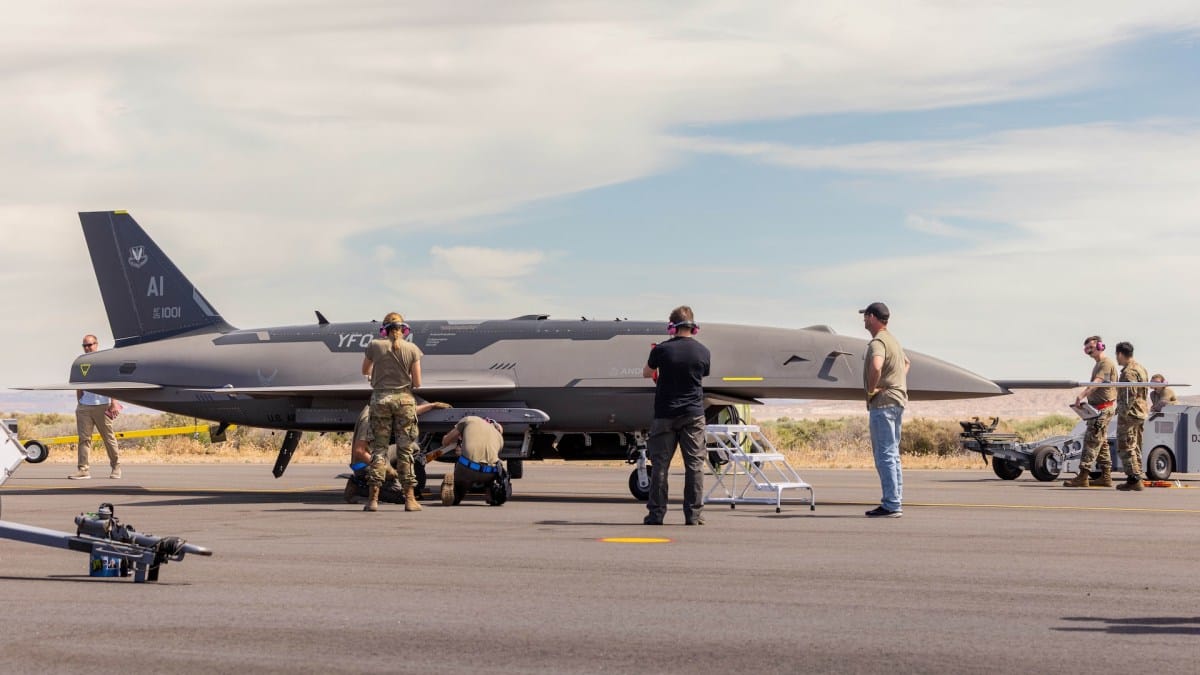
The YFQ-44 Fury Fighter Drone, developed by Anduril, has recently completed a series of experimental tests conducted by the United States Air Force (USAF). These operations are crucial as they refine the drone's integration and operational capabilities, potentially accelerating its fielding in contested environments. The mantra of "an 85 percent solution in the hands of a warfighter today is infinitely better than a 100 percent solution that never arrives" underscores the urgency of deploying effective technology swiftly, even if it is not yet fully matured.
What Happened
The recent tests focused on the YFQ-44A Collaborative Combat Aircraft (CCA) drone, which aims to enhance the USAF's operational flexibility and combat effectiveness. These evaluations are part of a broader strategy to integrate advanced unmanned systems into joint operations, addressing the challenges posed by modern warfare. The emphasis on collaborative combat capabilities suggests a shift towards a more integrated force structure that leverages both manned and unmanned platforms.
The Strategic Calculus
This initiative is particularly significant in the context of evolving global threats and the increasing complexity of modern battlefields. The YFQ-44, with its focus on collaboration, is designed to operate alongside traditional fighter aircraft, enhancing their effectiveness through data sharing and coordinated strategies. Key points include:
- Operational Readiness: The focus on achieving an operational capability sooner is pivotal as adversaries rapidly develop their own advanced systems.
- Cost Efficiency: The YFQ-44 aims to provide a cost-effective solution that can be deployed in numbers, potentially overwhelming enemy defenses.
- Integrated Warfare: Emphasizing a collaborative approach allows the USAF to exploit synergies between manned and unmanned platforms, improving situational awareness and strike capabilities.
As the USAF continues to modernize its fleet, the YFQ-44 may play a crucial role in maintaining air superiority, especially in contested environments where traditional platforms may face increased risks.
What Comes Next
Looking ahead, the implications of the YFQ-44's testing phase are profound:
- Further refinement of the drone's systems will likely lead to subsequent tests aimed at operational validation.
- Anticipated fielding timelines suggest that early adopters within the USAF could see the YFQ-44 integrated into their operations within the next few years.
- As the technology matures, partnerships between industry and military will grow, fostering innovation and rapid development cycles.
The success of the YFQ-44 could set a precedent for the future of military aviation, where adaptability and speed of deployment become as critical as the platforms themselves. The potential for this drone to operate in high-threat environments alongside existing air assets reinforces the necessity for continual advancements in military technology. As the landscape of warfare evolves, so too must the strategies employed by defense forces globally.
Sources: Twz, Thedefensepost, The War Zone, The Defense Post, The Defence Blog, and Air & Space Forces Magazine