Insights from an SR-71 Blackbird Pilot on High-Speed Reconnaissance Missions

Experiencing Mach 3.3 Over Hostile Territory
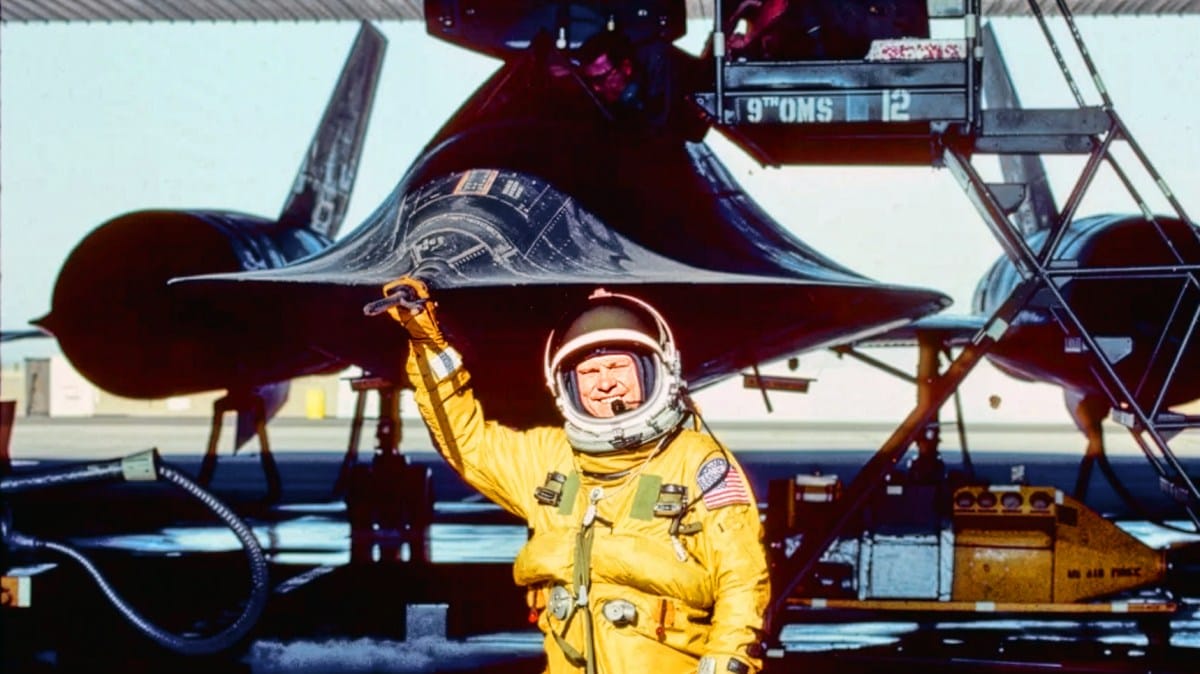
The legendary SR-71 Blackbird, developed by Skunk Works, represents the pinnacle of reconnaissance technology. A recent firsthand account from a pilot who flew the SR-71 highlights the challenges and thrills of operating this aircraft at speeds reaching Mach 3.3 while navigating hostile airspace. The pilot's experiences shed light on the operational capabilities and strategic value of the Blackbird during its service.
The SR-71 was designed for high-altitude, high-speed reconnaissance missions, allowing it to evade enemy defenses while capturing critical intelligence. The pilot recounted the intense focus required to maintain control at such extreme velocities, describing the sensation of hurtling through the skies while relying on advanced instrumentation and the aircraft's unique design. This engineering marvel was equipped with cutting-edge technology that enabled it to fly higher and faster than any enemy fighter jet, making it a formidable tool during the Cold War.
As military operations evolve, understanding the operational history and capabilities of the SR-71 can inform current and future reconnaissance strategies. The insights from the pilot's experiences emphasize the importance of technological advancement in maintaining air superiority and the role of human factors in high-speed flight. The legacy of the SR-71 continues to influence modern aerial reconnaissance, as the demand for real-time intelligence remains critical in contemporary conflict environments.
Sources: Twz, 19FortyFive, The Aviation Geek Club, MiGFlug, and The Aviationist
Edited by Daniel Vazdar, Editor. How DEFCROS News reports, sources and corrects.