Acceleration of X-BAT Development Signals New Era in Autonomous Aerial Combat

Innovative Design and Testing Approach
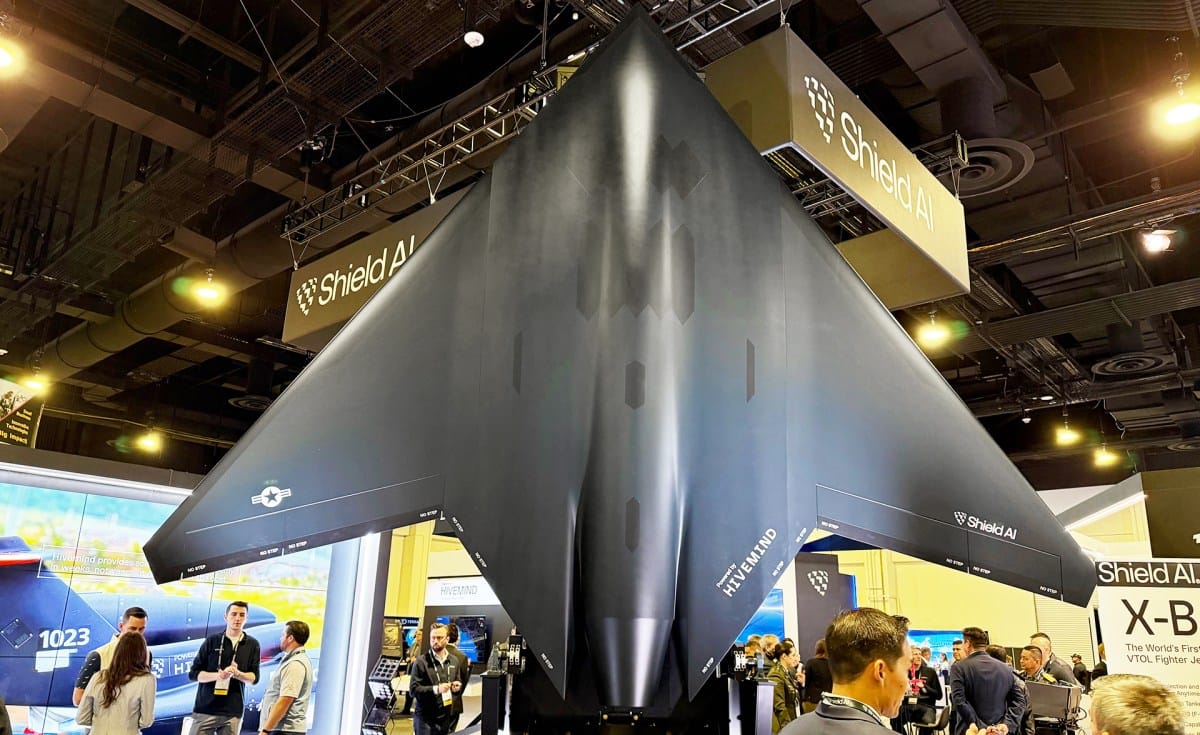
The development of the X-BAT autonomous Vertical Take-Off and Landing (VTOL) fighter is progressing rapidly, incorporating advanced technologies, including a thrust vectoring nozzle sourced from an experimental F-16. This unique acquisition method is described as "Indiana Jones style," highlighting the innovative and somewhat unconventional approach the development team is taking. According to company officials, the aggressive testing timeline for the X-BAT will likely result in at least one airframe loss during the testing phases.
This ambitious project indicates a shift towards integrating more sophisticated capabilities in unmanned aerial vehicles (UAVs). The X-BAT's design suggests a strong emphasis on maneuverability and versatility, potentially enabling it to perform complex combat scenarios autonomously. The emphasis on rapid testing and acceptance of potential losses reflects a bold strategy aimed at refining the platform through real-world trials, which may accelerate its operational readiness.
Implications for Future Warfare
The implications of the X-BAT's development are significant for future military operations. As autonomous systems become more prevalent, questions arise regarding their role in combat, logistics, and reconnaissance. The aggressive testing approach not only seeks to validate the technology but also challenges traditional paradigms of aerial combat. Furthermore, the acknowledgment of likely airframe losses suggests that stakeholders are prepared to take calculated risks in pursuit of operational excellence.
This raises the question of how adversaries will respond to the advancements represented by the X-BAT. Analysts will be watching the competitive landscape closely as countries strive to enhance their aerial capabilities while potentially shifting warfare dynamics. The capability to deploy autonomous fighters could redefine force structures and strategic planning within air combat environments.
Sources: Twz, The War Zone, DefenseScoop, The Defense Post, and The Aviationist