Advancements and Transformations in Air and Naval Operations

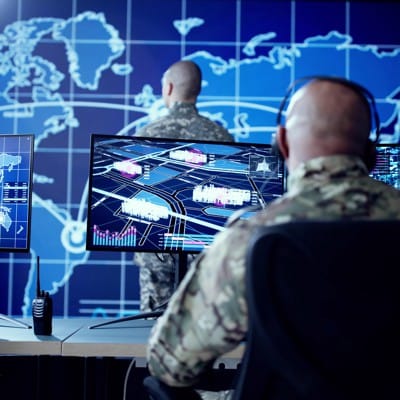
The landscape of U.S. military operations is undergoing significant changes with the introduction of advanced technologies and strategic asset retirements. The U.S. Air Force is making strides in integrating artificial intelligence into its command-and-control systems while also planning to phase out certain legacy systems. Meanwhile, the naval sector is evolving with enhanced capabilities for unmanned vessels, indicating a shift in operational priorities.
What happened
The U.S. Air Force, through its Kessel Run initiative, is advancing efforts to incorporate AI into the Air Operations Center Weapon System, which is critical for Commanders of Combatant Commands (COCOMs) in managing air operations effectively. This initiative aims to modernize and improve the existing command-and-control frameworks to enhance operational efficiency.
In a notable shift, the Air Force has announced plans to retire its fleet of E-11 aircraft, known as the Battlefield Airborne Communications Node, by 2028. This decision reflects a broader strategy to streamline operations and replace older systems with more cutting-edge technologies.
The strategic calculus
The integration of AI in air operations raises questions about future combat effectiveness. The implications of this technological advancement include:
- Enhanced decision-making capabilities in air operations.
- Potential reduction in response times during critical missions.
- Improved communication and coordination among COCOMs.
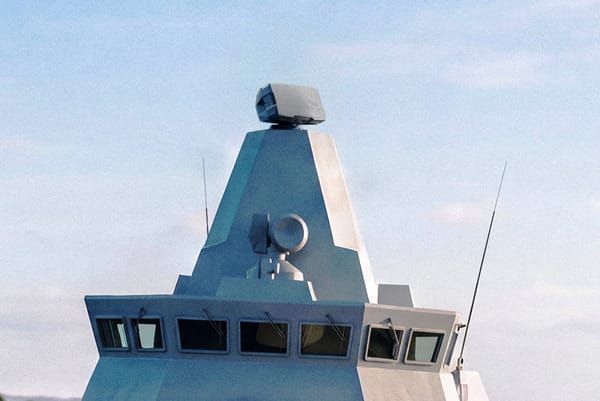
On the naval front, Textron Systems has unveiled a revamped Common Unmanned Surface Vessel (CUSV), equipped with the BRAWL air defense system. This new capability allows the CUSV to actively hunt airborne threats, significantly increasing its tactical utility at sea and reflecting a trend toward more autonomous and capable naval operations.
Industry fallout
The retirement of the E-11 fleet may signal broader industry implications, as defense contractors and technology providers will need to pivot to meet the evolving needs of the Air Force. The shift towards AI and automated systems opens opportunities for companies specializing in software development, data analytics, and advanced communications technology.
The enhancements seen in unmanned naval vehicles like the CUSV also indicate a growing interest in unmanned systems across various branches of the military. As these advancements continue, the defense industry will need to adapt to new operational paradigms that prioritize agility and technological integration.
In summary, the U.S. military is at a crossroads with its air and naval capabilities, focusing on modernization and the strategic integration of advanced technologies. The forthcoming changes will likely reshape operational strategies and industry dynamics in the defense sector.
Sources: Defenseone, Thedefensepost, U.S. Naval Institute, Inside Unmanned Systems, DefenseScoop, and The War Zone