Advancements in Drone Warfare: Training, Testing, and Tactical Stalls

As the landscape of modern warfare increasingly incorporates unmanned systems, recent developments in Ukraine and the UK highlight the ongoing adaptation of military strategies to counter drone threats. Meanwhile, Poland's pause in transferring MiG-29 jets to Ukraine underscores the complexities of international defense agreements amid evolving drone technologies.
What Happened
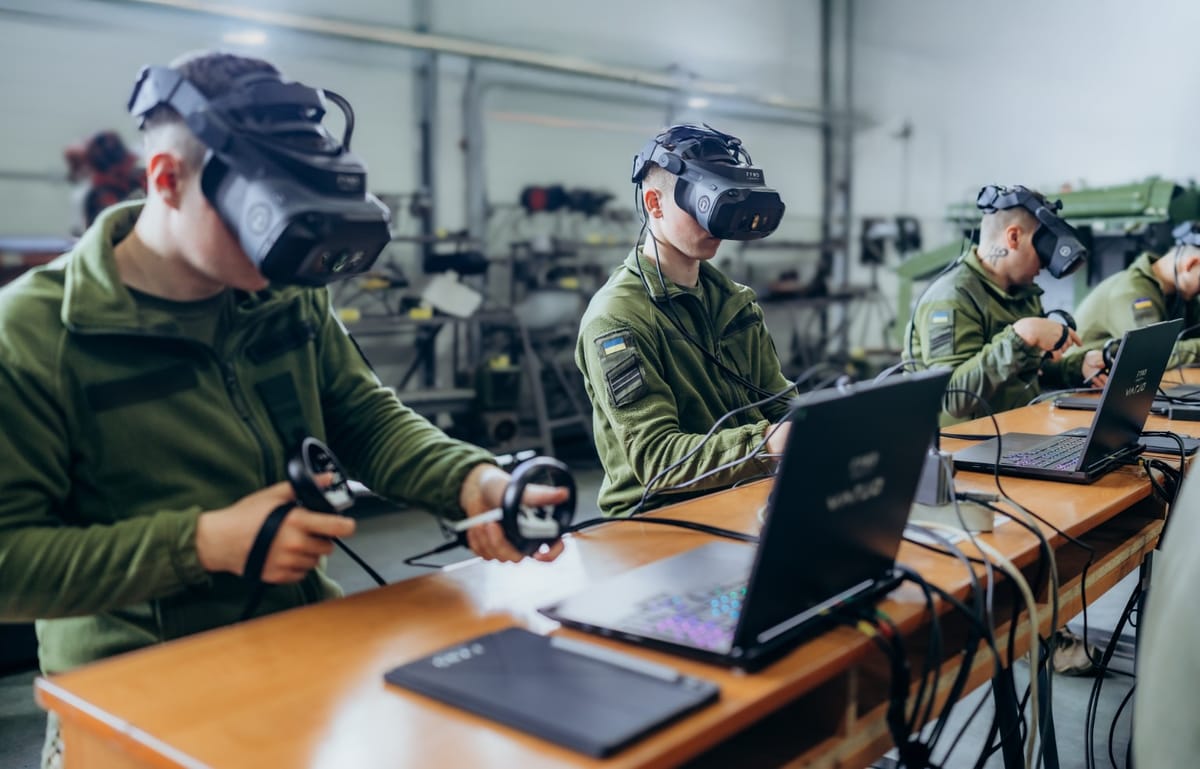
Ukraine's military has taken a significant step forward by integrating a mixed-reality training system specifically designed for counter-drone operations. This initiative, supported by Varjo, aims to enhance the capabilities of the Ukrainian Armed Forces as they face persistent aerial threats in the ongoing conflict.
In parallel, the UK government has inaugurated what it claims to be Europe’s largest drone testing facility. This facility is intended to expedite the development and deployment of new military capabilities, reflecting a broader commitment to innovation in defense technology.
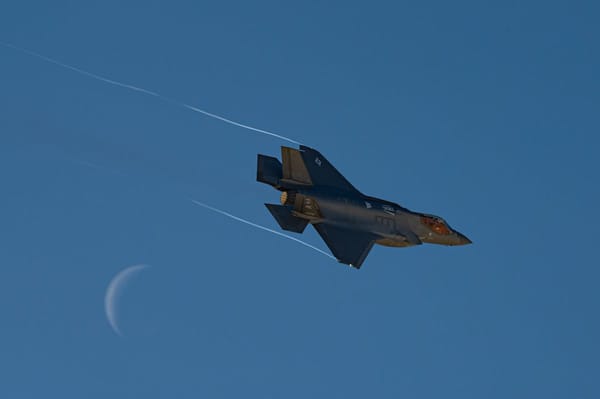
On a related note, Poland has opted to freeze the transfer of its remaining Mikoyan MiG-29 combat aircraft to Ukraine. This decision stems from an unresolved agreement concerning drone technology sharing, indicating that air power and drone capabilities are increasingly intertwined in military strategy.
The Strategic Calculus
The establishment of Ukraine's counter-drone simulator highlights the critical need for effective training in the face of evolving aerial threats. With drone warfare becoming more commonplace, Ukraine's ability to adapt and train its forces in real-time operational environments is crucial for maintaining its defensive posture.
Simultaneously, the UK’s drone test range is a strategic move that could accelerate military innovation across Europe. By creating an environment conducive to experimentation, the UK aims to foster advancements that can be quickly operationalized, potentially influencing NATO's collective defense strategies.
Poland's decision to halt MiG-29 transfers raises questions about the readiness and flexibility of allied support in the face of technological negotiations. The implications of stalled agreements on drone technology sharing could have significant impacts on Ukraine's air defense capabilities.
Industry Fallout
- The integration of mixed-reality training systems by Varjo in Ukraine may lead to increased demand for similar technologies among other nations facing drone threats.
- Europe’s largest drone test range may attract various defense contractors, fostering partnerships aimed at developing advanced drone technologies.
- Poland's freeze on MiG-29 transfers could signal caution among NATO allies regarding the complexities of transferring military hardware intertwined with technology agreements.
These developments reflect a shifting paradigm in military operations, where the convergence of air and drone capabilities dictates strategic decisions. As nations adapt to these changes, the focus on training, testing, and international agreements will be critical in shaping future military engagements.
Sources: Thedefensepost, Ukraine's Arms Monitor, Small Wars Journal, PBS, and Business Insider