Military Power Surges While Diplomatic Influence Declines Globally

Shifting Dynamics in Global Power Structures
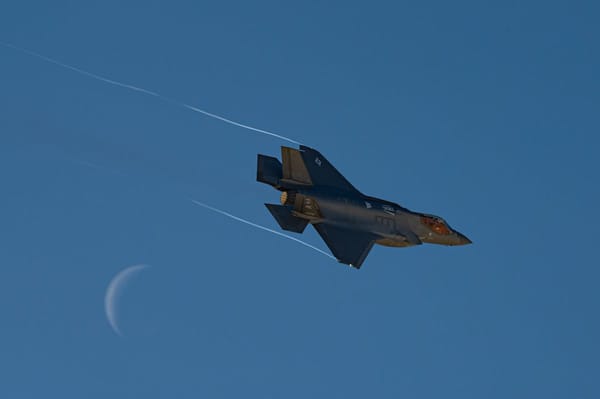
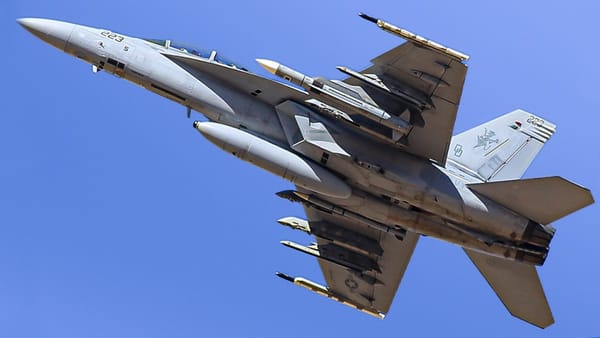
Recent assessments indicate a significant shift in global power dynamics, with military might increasingly overshadowing diplomatic efforts. This trend has been noted by diplomats, crisis monitors, and allies, who express concern that America is moving away from the international rules and alliances that once provided stability and security. The implications of this shift are profound, as the reliance on military solutions could undermine long-term diplomatic relationships that are crucial for global peace.
The growing perception is that military capabilities are being prioritized over diplomatic engagement. Analysts suggest that this could lead to a scenario where nations opt for force rather than negotiation, potentially escalating conflicts rather than resolving them peacefully. Some allies are apprehensive about America's commitment to collective security, fearing that a focus on military solutions may alienate traditional partnerships. This abandonment of past diplomatic norms could create a vacuum that adversaries might exploit.
The decline in diplomatic influence means that nations may face an increasingly militarized international landscape, where military strength dictates foreign policy rather than collaborative dialogue. As a result, the potential for misunderstandings and conflicts could rise, impacting not only the United States but also its allies and global stability. The ramifications of this shift could redefine alliances and the nature of international relations in an era marked by rising tensions and competition.
Sources: Defenseone, Belfer Center, Conflits : Revue de Géopolitique, The Times of Israel, and Council on Foreign Relations
Edited by Daniel Vazdar, Editor. How DEFCROS News reports, sources and corrects.