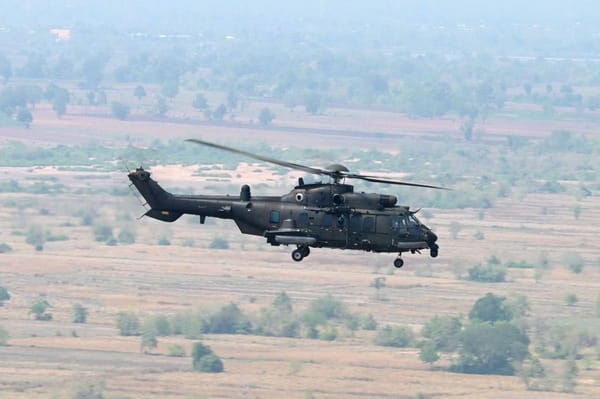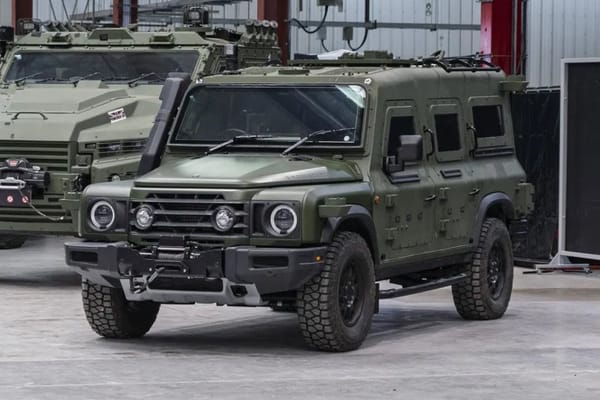
Advancements in Military Training Across Europe and the US: A Coordinated Shift Towards High-Threat Preparedness

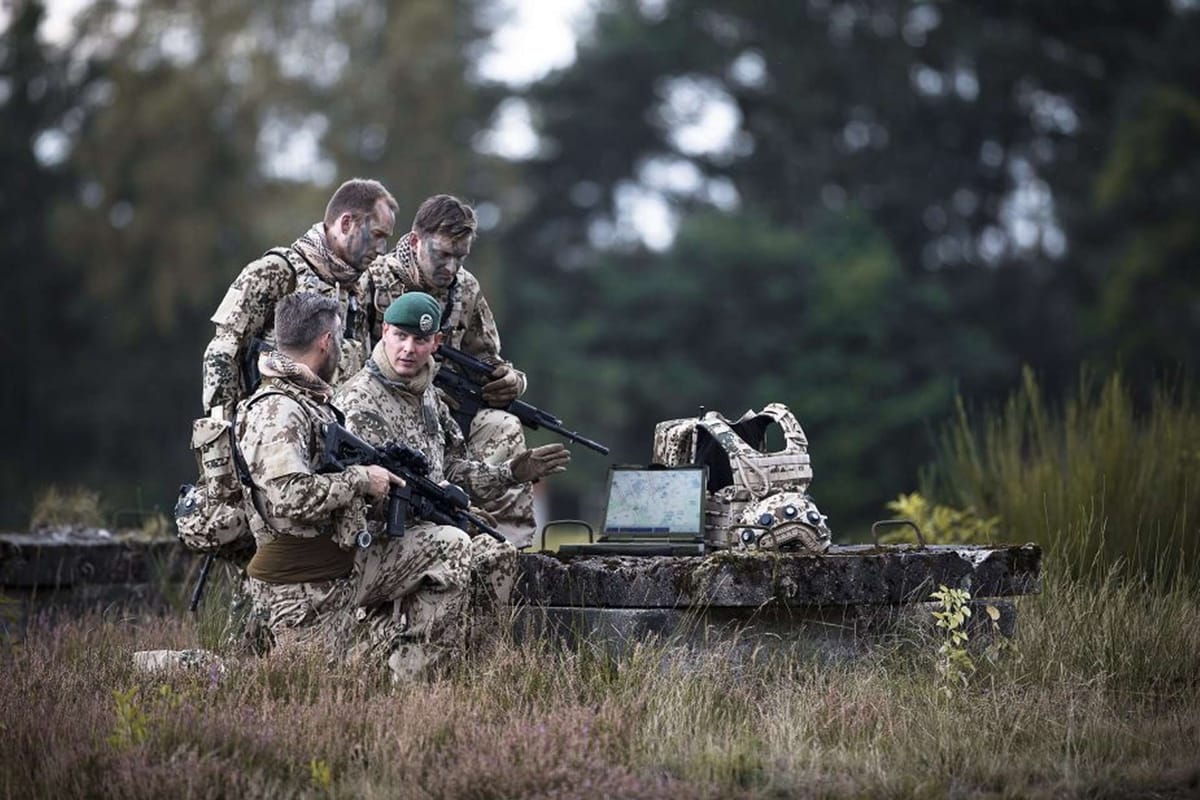
In a significant shift towards enhancing military readiness for high-threat warfare, both European and US armed forces are investing heavily in advanced training systems and modernization programs. This coordinated effort reflects a recognition of evolving combat scenarios and the necessity for adaptive operational capabilities.
What Happened
Recent developments include the launch of the British Army's £2 billion ACTS (Army Collective Training System) program, which aims to prepare 60,000 troops for high-threat environments. The initiative includes a substantial contribution from Rheinmetall, securing a nearly €1 billion contract to supply AI-enabled training solutions.
Simultaneously, France is emphasizing its SCORPION modernization program, showcased during Bastille Day 2026, which illustrates the transformation of the French Army into a networked force prepared for high-intensity warfare. This modernization is vital as European military capabilities continue to evolve in response to geopolitical tensions.
On the other side of the Atlantic, the US Army has initiated a $450,000 AI challenge designed to automate digital engineering processes and enhance military simulation and combat training. This move underscores the role of technology in streamlining operational readiness and improving training efficacy.
The Strategic Calculus
The convergence of these initiatives indicates a broader strategy among Western nations to bolster their defense capabilities in the face of increasing global threats. Key implications include:
- Enhanced Training Efficiency: By leveraging AI and technology, these military forces aim to reduce training time while increasing effectiveness.
- Interoperability: Modernization efforts, like France’s SCORPION program and the UK’s ACTS, may enhance joint operational capabilities among NATO allies.
- Resource Allocation: Significant financial investments highlight a commitment to developing robust defense infrastructures.
As nations invest in these technologies, the potential for more cohesive multinational operations rises, particularly in high-stakes scenarios where rapid response is critical.
Industry Fallout
The involvement of major defense contractors, such as Rheinmetall in the UK, indicates a growing market for companies specializing in military training technologies. This could lead to increased competition and innovation within the defense sector, as firms strive to meet the heightened demand for advanced training solutions.
Moreover, the emphasis on AI in the US Army's training initiatives raises questions about the future role of technology in military operations. As these systems become more integrated, defense professionals will need to consider the implications for human factors in training and combat readiness.
Overall, the current trajectory of military training enhancements across the UK, France, and the US reflects a strategic pivot towards preparing for complex and high-intensity warfare scenarios. Analysts will be watching how these investments translate into operational capabilities on the ground.
Sources: Armyrecognition, Thedefensepost, MarketsandMarkets, DefenseScoop, Centre for Aerospace Power and Strategic Studies, and Small Wars Journal