Advancements in U.S. Defense Capabilities: Kongsberg and Rafael Initiatives

Recent developments in defense technology signal a strategic shift in counter-drone and cruise missile capabilities for the United States. Kongsberg's acquisition of Zone 5 Technologies and Rafael's unveiling of the Hunter Eagle interceptor at ILA Berlin 2026 highlight the urgent need for advanced defense solutions in an increasingly complex security environment.
What happened
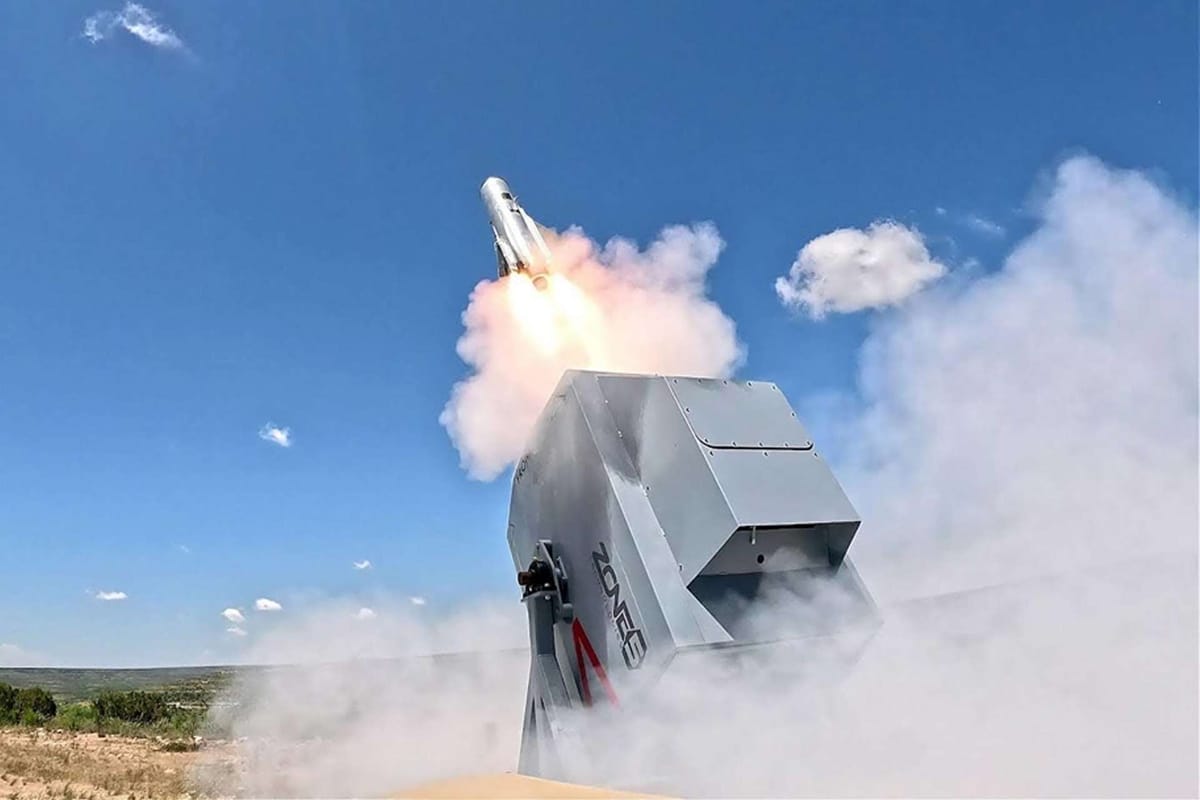
Kongsberg has officially acquired Zone 5 Technologies, a move aimed at enhancing the U.S. defense manufacturing landscape. This acquisition is particularly noteworthy for its potential to bolster affordable cruise missile production and develop counter-drone interceptors. Kongsberg's commitment to increasing U.S. defense capabilities aligns with ongoing demands for more cost-effective military solutions.
Simultaneously, Rafael Advanced Defense Systems introduced the serial variant of its Hunter Eagle counter-UAS interceptor at the ILA Berlin 2026. This interceptor is designed for autonomous swarm defense, reflecting the growing trend of using advanced technology to address the threat posed by unmanned aerial systems.
The strategic calculus
The implications of these developments are multifaceted:
- Enhanced U.S. Manufacturing: Kongsberg's acquisition not only increases its production capabilities but also supports the U.S. defense industrial base, which is crucial for national security.
- Addressing Emerging Threats: The introduction of the Hunter Eagle interceptor underscores a proactive approach to countering drone swarms, which have become a significant concern for military operations worldwide.
- Cost-Effectiveness: Both initiatives emphasize the need for affordable defense solutions, particularly in an era of budget constraints and rising defense expenditures.
Industry fallout
These advancements are poised to reshape the competitive landscape of defense technology providers. Kongsberg's move may trigger a wave of consolidation among smaller firms, as larger companies seek to enhance their portfolios with innovative solutions. Meanwhile, Rafael's focus on autonomous systems could influence other defense contractors to prioritize similar technologies, intensifying competition in the counter-drone sector.
As Kongsberg and Rafael lead the charge in developing advanced defense capabilities, analysts will be watching the broader implications for U.S. military readiness and technological superiority. The focus on affordable solutions and autonomous systems will likely set the tone for future investments and partnerships within the defense industry.
Sources: Armyrecognition, Financial Times, DroneXL.co, Euro-Sd.com, and Military Embedded Systems