
Quantum Computers Threaten Current Encryption Standards, Urges Action from Washington

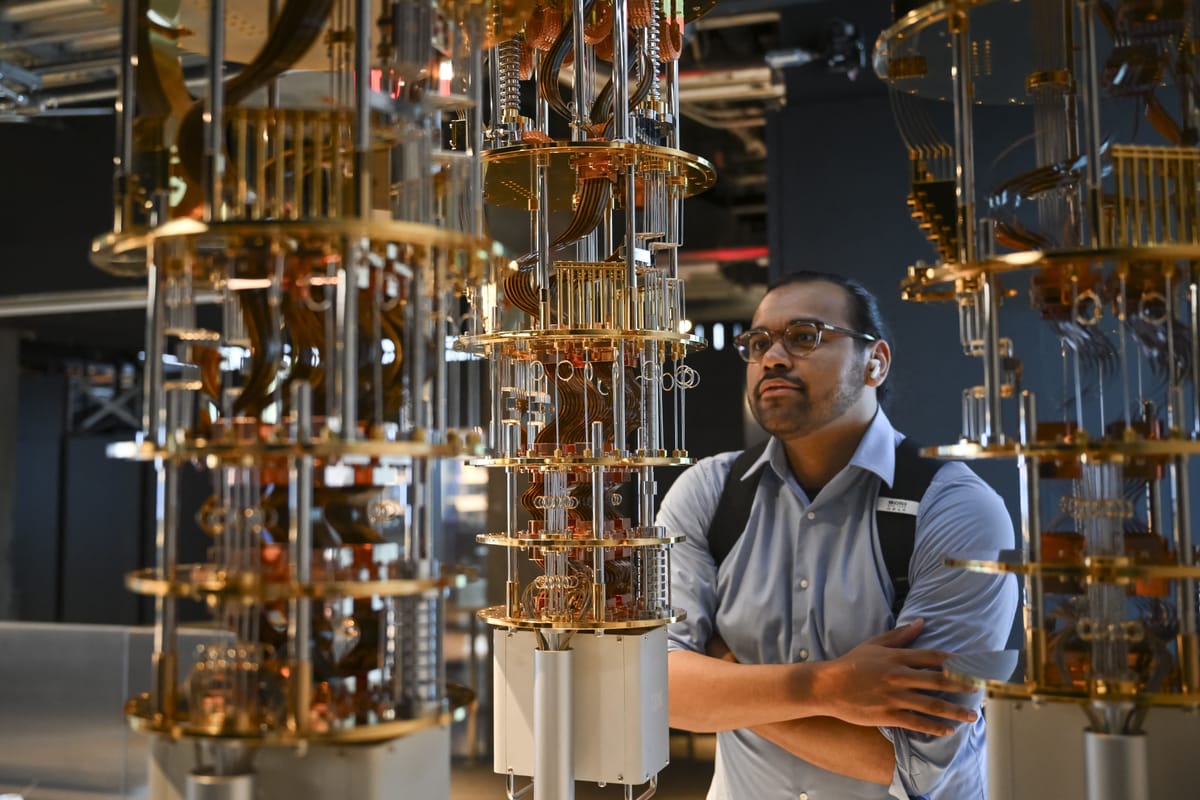
National Security Implications of Quantum Computing
Rep. Raja Krishnamoorthi has sounded the alarm regarding the potential capabilities of quantum computers to compromise existing encryption standards. As quantum technology advances, the urgency for Washington to enhance its national cybersecurity measures has never been greater. This warning comes at a time when the implications of such technological advancements could significantly impact the security of sensitive data across various sectors.
Currently, encryption is the backbone of secure communication and data protection. However, quantum computers possess the ability to execute complex calculations at unprecedented speeds, which could render traditional encryption methods obsolete. Rep. Krishnamoorthi's call for accelerated preparations is a critical acknowledgment that as these technologies evolve, so too must the strategies designed to protect national interests. The shift towards quantum-resistant encryption solutions is not merely a technical challenge but a matter of national security.
The potential for quantum computers to break encryption standards poses serious risks not only for government communications but also for the private sector and personal data security. This situation creates a pressing need for collaboration between government, academia, and industry to develop robust encryption frameworks that can withstand future quantum attacks. Failing to act now may result in significant vulnerabilities that could be exploited by adversaries, compromising sensitive information and national security.
Sources: Cyberscoop, National Security Agency (NSA) (.gov), ExecutiveGov, LinkedIn, and SpaceNews
Edited by Daniel Vazdar, Editor. How DEFCROS News reports, sources and corrects.