Advancements in U.S. Drone Warfare Enhance Indo-Pacific Operations

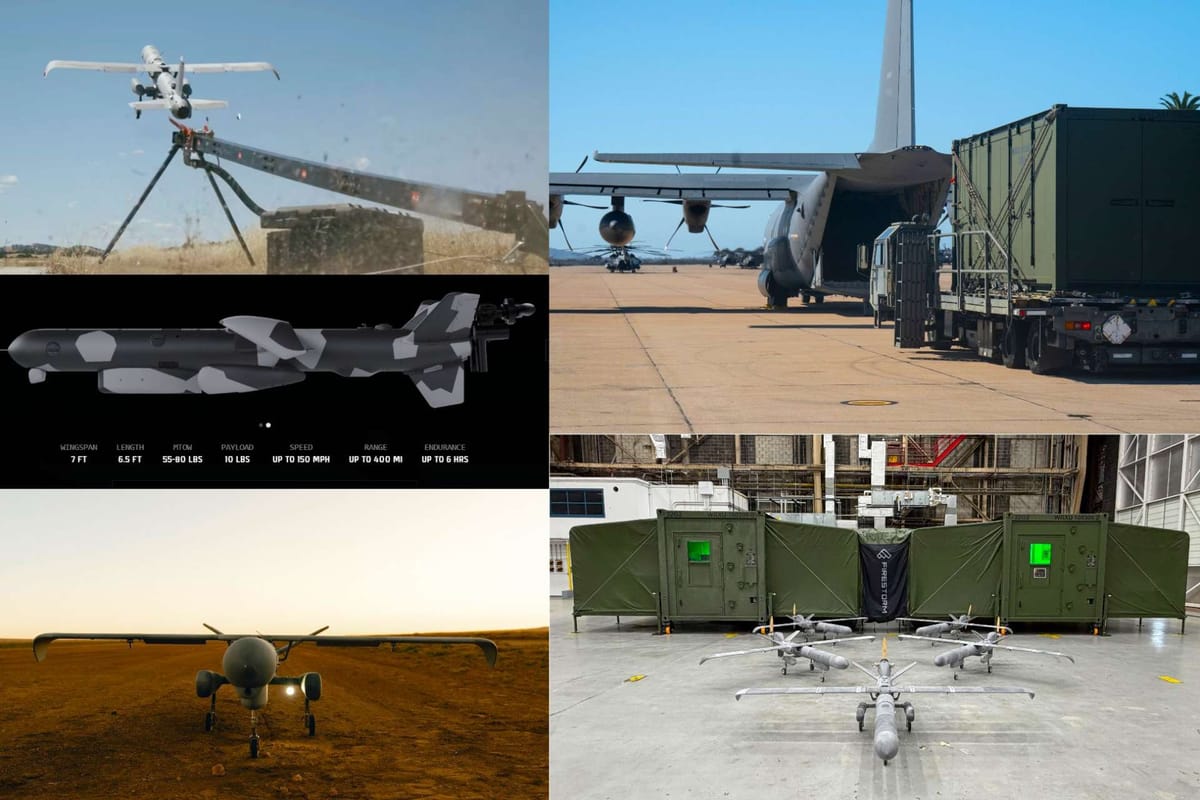
Firestorm Microfactories and Tempest Drones
Recent developments in U.S. military technology have seen the deployment of mobile UAV microfactories, known as Firestorm, designed to produce Tempest drones. This initiative aims to bolster U.S. combat logistics in the Indo-Pacific region, reflecting a strategic commitment to enhancing operational capabilities in response to evolving regional threats.
The Firestorm microfactories allow for rapid production of drones on-site, which is crucial for maintaining operational readiness and adaptability in dynamic combat environments. By streamlining the logistics chain, these microfactories reduce the time and resources needed to deploy unmanned aerial vehicles (UAVs), a significant advantage in the fast-paced theater of modern warfare.
Strategic Implications for the Indo-Pacific
This advancement underlines the U.S. military's focus on distributed warfare strategies, particularly in the Indo-Pacific, where the geopolitical landscape is increasingly complex. The ability to deploy drones quickly and efficiently enhances the U.S. military's deterrence posture and allows for more flexible responses to emerging threats from regional adversaries.
This raises the question of how these new capabilities will impact U.S. alliances and partnerships in the region. As the U.S. invests in advanced technologies, regional allies might be encouraged to enhance their own defense capabilities, potentially leading to a more robust collective security framework. Additionally, adversaries will need to adapt to these technological advancements, which could reshape the tactical landscape in the Indo-Pacific.
Why it matters: The integration of Firestorm microfactories and Tempest drones represents a significant leap forward in U.S. military logistics and operational strategy. By taking proactive steps to enhance drone warfare capabilities, the U.S. not only strengthens its own position but also influences the strategic calculations of both allies and adversaries in the region. Analysts will be monitoring how these developments might alter the balance of power and affect future military engagements.
Sources: Armyrecognition, Army Recognition, and The Defence Blog