Advancements in Unmanned Systems: U.S. and U.K. Initiatives

The landscape of defense technology is rapidly evolving, with significant developments in both the U.S. and U.K. military sectors. The U.S. Armed Forces are enhancing their precision strike capabilities through advanced fuzing technology, while the British Army is transitioning from experimentation to operational deployment of unmanned ground vehicles. These initiatives reflect a broader trend toward integrating robotics and automation into military operations.
What Happened
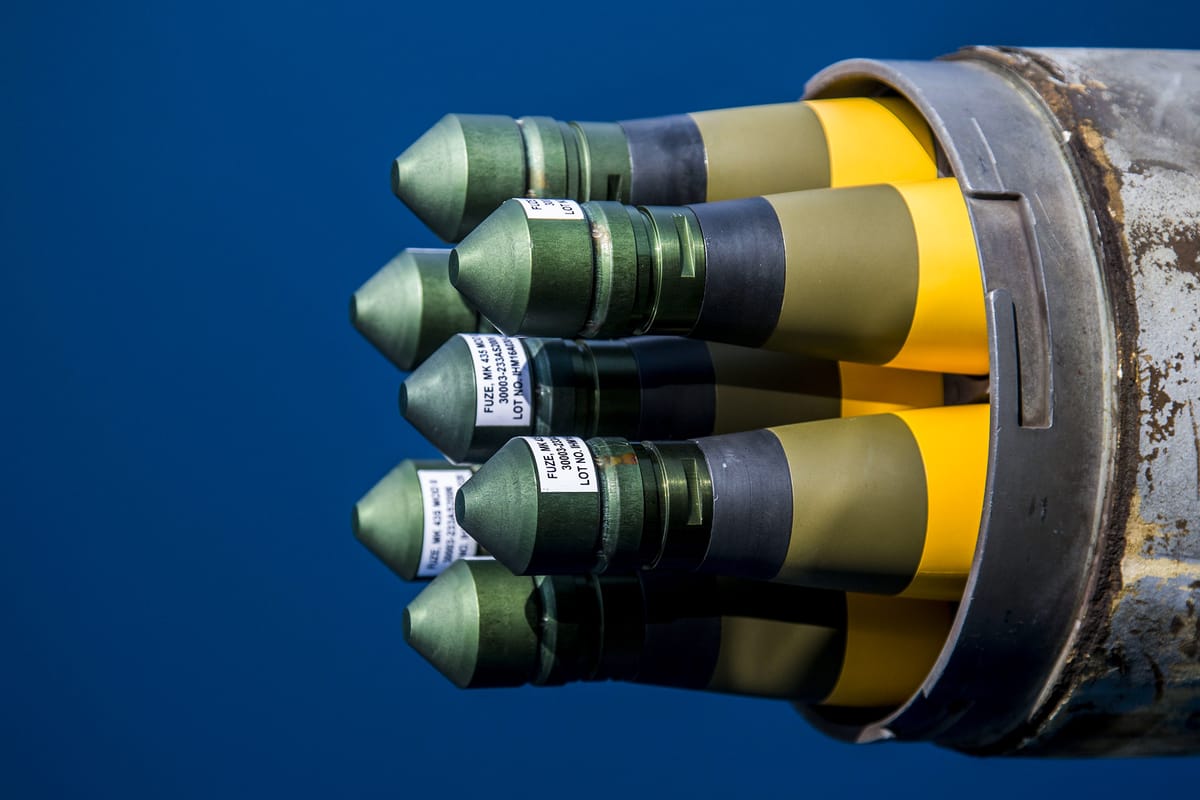
In a notable move, L3Harris Technologies has secured a contract to supply its proprietary FALCO mechanical proximity fuzes for upgrades to the U.S. Armed Forces’ Advanced Precision Kill Weapon System (APKWS). This enhancement aims to bolster the effectiveness of APKWS, traditionally known for its precision-guided munitions. By incorporating FALCO fuzes, the U.S. military seeks to transform these systems into more versatile drone killers, allowing for improved engagement capabilities against aerial threats.
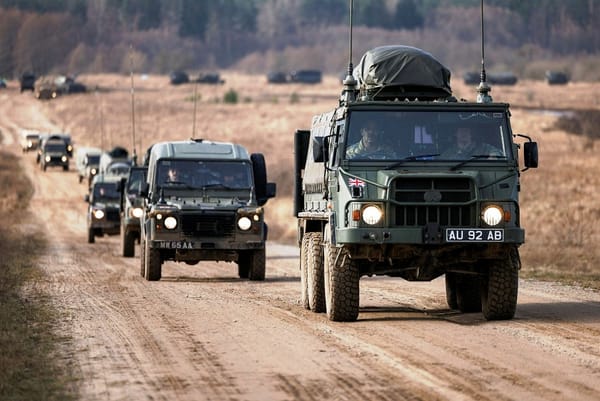
On the other side of the Atlantic, the British Army has made a significant leap with its first operational fleet of unmanned ground vehicles, contracted from Digital Concepts Engineering (DCE). This marks a departure from years of testing and experimentation, moving toward a fielded robotic capability that is expected to enhance operational flexibility and efficiency on the battlefield.
The Strategic Calculus
Both initiatives highlight a strategic shift in military operations towards integrating advanced technologies that can enhance combat effectiveness. The U.S. contract with L3Harris emphasizes:
- The importance of precision in modern warfare, particularly in drone operations.
- A focus on adapting existing systems to meet evolving threats.
- The potential for increased lethality and operational success in various combat scenarios.
Similarly, the British Army’s procurement of unmanned ground vehicles signifies:
- A commitment to operational modernization and readiness.
- An acknowledgment of the growing role of unmanned systems in ground operations.
- A strategic pivot toward leveraging robotics for enhanced battlefield capabilities.
These developments suggest a broader trend across NATO allies to integrate cutting-edge technologies into military strategies, aiming for greater efficiency and effectiveness in joint operations.
What Comes Next
As both the U.S. and U.K. militaries advance their capabilities, defense analysts will be closely monitoring the implications for future engagements. The U.S. military’s upgrade of APKWS with FALCO fuzes raises questions about the potential for further integration of drone technology in combat scenarios. Meanwhile, the operational deployment of unmanned ground vehicles in the British Army may influence tactical doctrines and interoperability with allied forces.
The intersection of robotics and precision strike capabilities could redefine operational paradigms, emphasizing the need for continuous adaptation and development in military technologies.
Sources: Thedefensepost, The Defense Post, Defence Industry Europe, The War Zone, and UNITED24 Media