Advancements in Unmanned Warfare: The US and Taiwan's Strategic Moves

The landscape of unmanned warfare is rapidly evolving, highlighted by recent developments from the US and Taiwan. The US Air Force is actively enhancing collaborative combat capabilities through the integration of advanced drone technology, while Taiwan is strategically deploying drone battalions across key operational zones in response to regional threats.
What Happened
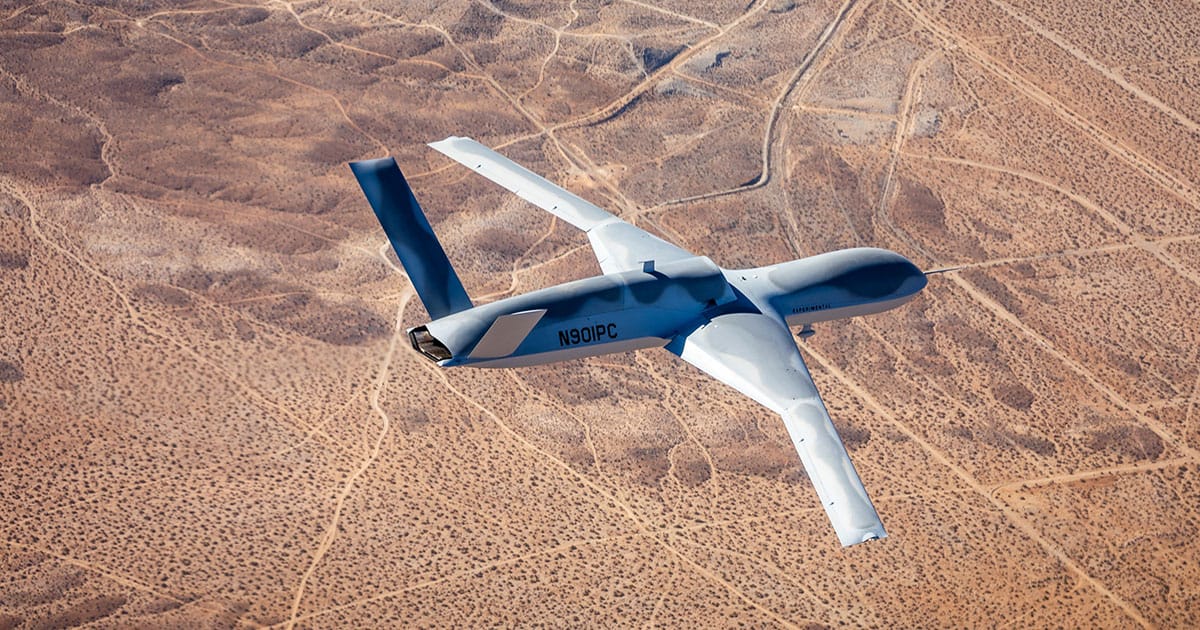
General Atomics has made significant strides in demonstrating interoperability between the F-35 Lightning II and the MQ-20 Avenger. This achievement supports the US Air Force’s Collaborative Combat Aircraft program, which aims to leverage drone capabilities alongside manned aircraft. The integration of these systems is expected to enhance situational awareness and operational effectiveness in combat scenarios.
Meanwhile, Taiwan has initiated the establishment of drone battalions across three distinct combat zones. This deployment is part of Taiwan's broader strategy to bolster its unmanned warfare capabilities amid increasing tensions in the region. The commitment to expanding drone operations signifies Taiwan's intent to enhance its defense posture and deter potential aggression.
The Strategic Calculus
The collaboration between the F-35 and MQ-20 showcases the United States' focus on leveraging technological advancements to maintain air superiority. By creating a networked environment where manned and unmanned platforms operate cohesively, the US aims to maximize its tactical advantages in future conflicts.
In contrast, Taiwan's deployment of drone battalions underscores a shift in its defense strategy. The focus on unmanned systems allows Taiwan to:
- Enhance surveillance capabilities across critical areas.
- Engage potential threats with lower risk to personnel.
- Adapt rapidly to evolving battlefield dynamics.
This raises the question of how these developments might influence regional security dynamics. As Taiwan strengthens its defense capabilities, its actions may prompt shifts in military strategy from neighboring states, particularly in the context of China's increasing military assertiveness.
Key Players and Implications
Key players in this evolving landscape include:
- General Atomics: Leading the development of interoperable unmanned systems.
- US Air Force: Pushing forward with innovative combat strategies.
- Taiwan's military leadership: Implementing a proactive approach to regional defense.
As both the US and Taiwan enhance their drone capabilities, industry analysts will be watching closely for further developments. The implications of these advancements extend beyond immediate military applications, potentially reshaping alliances and power dynamics in the Asia-Pacific region.
Sources: Thedefensepost, The Defense Post, The Aviationist, Asia Times, and Newsweek