Funding Uncertainty Threatens AUTOWARCOM Initiative Under Hegseth

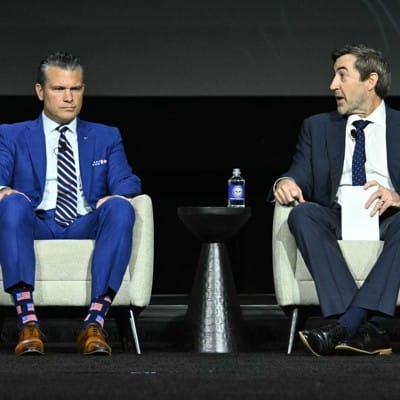
Potential Funding Challenges for AUTOWARCOM
The establishment of the new autonomous command, AUTOWARCOM, spearheaded by Secretary of Defense Pete Hegseth, faces significant funding hurdles. The financial resources necessary for its inception are earmarked from a reconciliation bill, which is currently facing uncertainty regarding its passage.
As the Department of Defense seeks to innovate and enhance its operational capabilities through autonomous systems, the reliance on this reconciliation bill introduces a critical risk to the AUTOWARCOM initiative. The success of this command is contingent on securing adequate funding, which directly impacts the force structure and overall mission objectives. The lack of guaranteed funding could delay the operational rollout and limit the scope of advancements in autonomous military technologies.
Implications for Military Readiness
The potential failure to secure funding for AUTOWARCOM could have far-reaching consequences for the U.S. military's strategic posture. The development of autonomous capabilities is increasingly seen as vital to maintaining competitive advantages in modern warfare. Should this initiative falter due to financial constraints, it may hinder the military's ability to adapt to emerging threats and technological advancements, thereby impacting national security priorities.
Furthermore, the uncertainty surrounding the reconciliation bill raises questions about the Department of Defense's future funding strategies and overall commitment to innovation. Stakeholders within the defense community will need to closely monitor these developments to assess potential impacts on military readiness and operational effectiveness.
Sources: Defenseone, U.S. Department of War (.gov), Business Insider, The Bulwark, and NewsNation
Edited by Daniel Vazdar, Editor. How DEFCROS News reports, sources and corrects.