Advancements in US Army UAV Capabilities Enhance CBRN Operations and Threat Detection

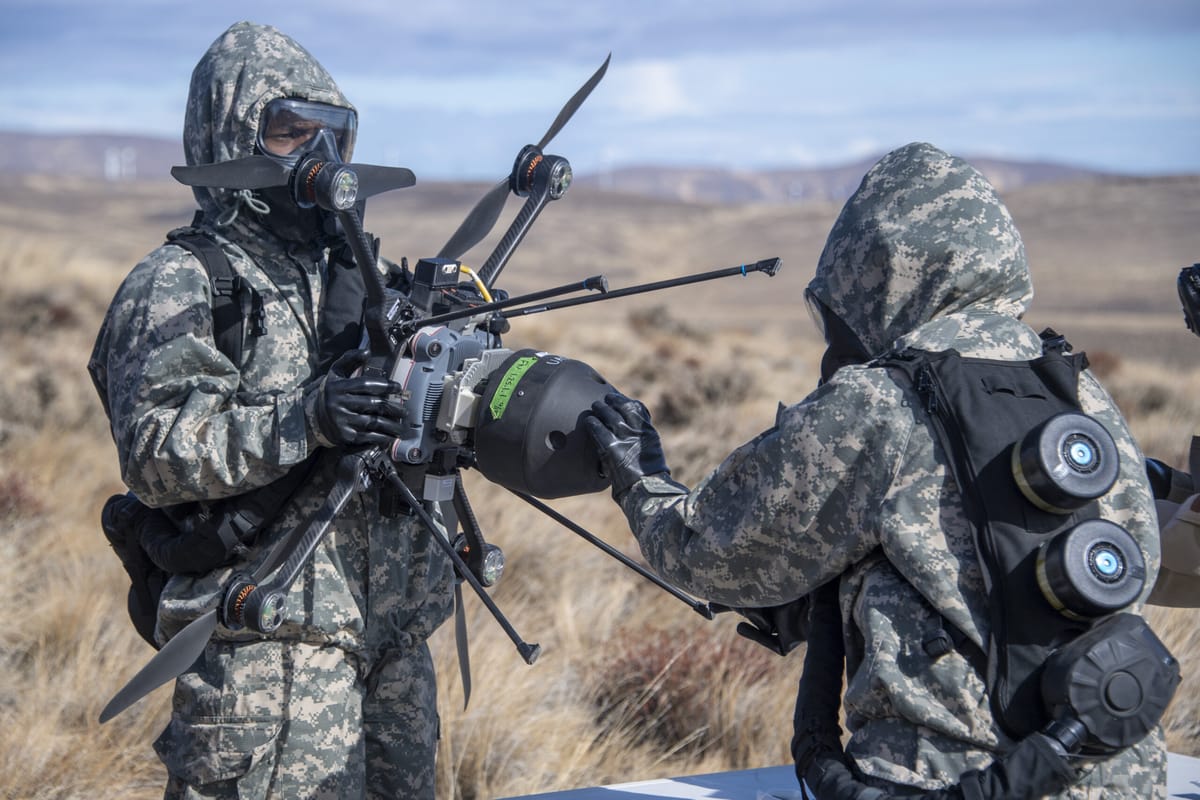
The US Army is significantly enhancing its operational capabilities with the integration of advanced unmanned aerial systems (UAS) and artificial intelligence (AI) technologies. Recent contracts awarded to Teledyne FLIR Defense and Safe Pro represent a strategic push towards improved chemical, biological, radiological, and nuclear (CBRN) operations and battlefield threat detection.
New Contracts for Enhanced Drone Capabilities
Teledyne FLIR Defense has secured a contract to supply its R80D SkyRaider unmanned aerial systems specifically designed for the US Army’s CBRN missions. This acquisition aligns with the Army's ongoing efforts to modernize its capabilities in response to evolving threats.
In a separate development, the US Army ordered an AI-powered threat analysis kit that combines Safe Pro's NODE edge computing system with Red Cat Black Widow drones. This technology is expected to enhance situational awareness and threat assessment on the battlefield.
The Strategic Calculus Behind These Developments
The integration of the SkyRaider drones and AI-driven systems is poised to provide the US Army with a multi-dimensional approach to threat detection. Key advantages include:
- Real-time data analysis: The AI-powered systems will enable quicker decision-making in dynamic environments.
- Increased operational flexibility: The combination of drones for CBRN operations and threat assessment expands the Army's reach and responsiveness.
- Enhanced safety: Utilizing drones for hazardous missions reduces risks to personnel.
These advancements not only reflect a commitment to cutting-edge technology but also highlight the Army's proactive stance in addressing modern warfare challenges.
Implications for Future Military Operations
As the US Army continues to invest in drone technology and AI capabilities, analysts will be watching how these tools are integrated into existing operational frameworks. The implications are profound, potentially transforming battlefield tactics and improving mission outcomes. This raises the question of how quickly the Army can implement these technologies and train personnel to leverage their full potential.
With the ongoing evolution of threats in the global landscape, the emphasis on CBRN capabilities and AI-enhanced surveillance systems could set a new standard for military readiness and response. The coordination of these technologies may serve as a model for future defense initiatives.
Sources: Thedefensepost, Business Wire, Military Embedded Systems, army.mil, and DVIDS