
Advances in Counter-Drone Capabilities: Mergers and Innovations

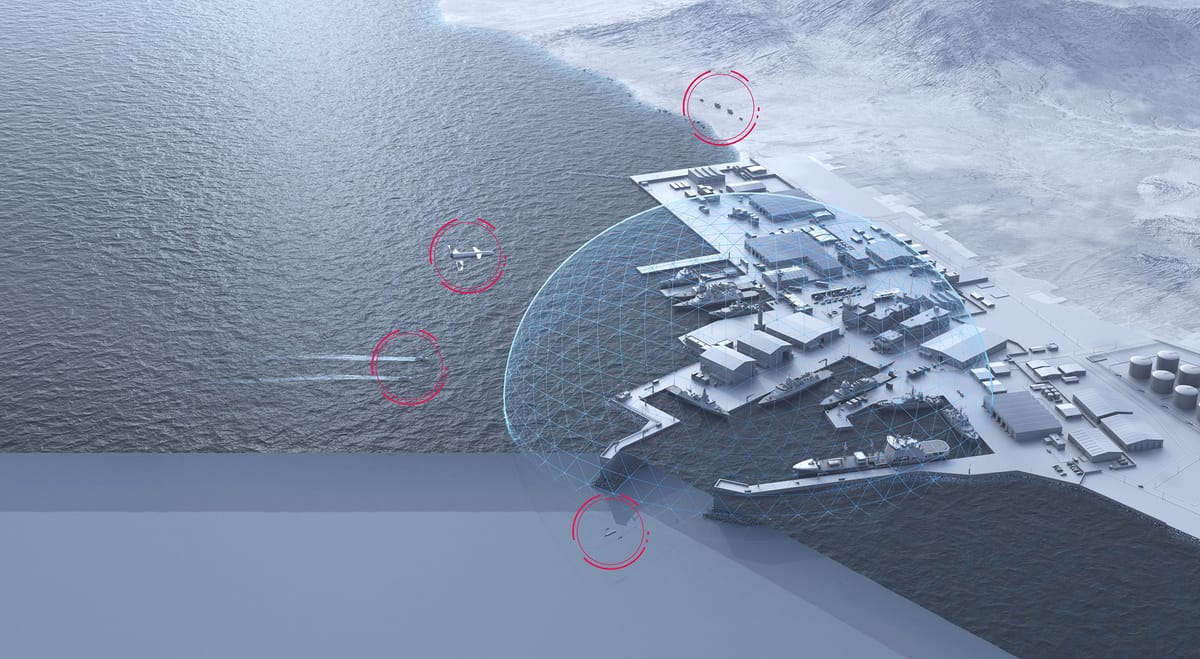
The ever-evolving landscape of counter-drone technology is witnessing significant developments as key players in the defense sector enhance their capabilities. Electro Optic Systems has recently finalized its acquisition of MARSS' defense business, a strategic move aimed at consolidating integrated counter-drone solutions under one provider. In a parallel effort, Thales is introducing a 70mm laser-guided rocket designed specifically for counter-drone operations, emphasizing an approach that balances cost with modern performance. These developments underscore a growing recognition of the need for effective counter-drone measures in defense operations.
What Happened
Electro Optic Systems has officially completed the acquisition of MARSS' defense business, which is expected to bolster its offerings in counter-drone capabilities. By integrating MARSS' technologies, Electro Optic Systems aims to provide a comprehensive suite of solutions to address the increasing threat posed by drones across various operational environments.
Concurrently, Thales is making strides with its new 70mm laser-guided rocket. This innovation represents a focused effort to enhance counter-drone capabilities while maintaining cost-effectiveness and performance standards. The introduction of this rocket indicates a shift towards more sophisticated aerial responses to the drone threat.
The Strategic Calculus
The acquisition by Electro Optic Systems raises several strategic considerations for defense professionals:
- Consolidation of Capabilities: By merging resources and technologies, Electro Optic Systems positions itself as a one-stop provider for counter-drone solutions, potentially attracting a broader client base.
- Cost-Performance Balance: Thales’ focus on developing a cost-effective yet high-performance laser-guided rocket reflects a trend among defense contractors to innovate while being mindful of budget constraints.
- Response to Emerging Threats: The increasing frequency and sophistication of drone incursions necessitates rapid advancements in counter-drone technologies, making these developments timely and relevant.
Industry Fallout
The implications of these advancements extend beyond the companies involved. As threats from drones continue to proliferate, the defense industry must adapt:
- Organizations will likely seek partnerships and acquisitions similar to Electro Optic Systems and MARSS to enhance their own technological capabilities.
- Investments in research and development (R&D) for counter-drone technologies may see an uptick as companies strive to remain competitive in a rapidly evolving market.
- There may be increased demand from military and security forces for integrated systems that can efficiently counter drone threats, fostering innovation in the sector.
As the defense landscape evolves, these strategic moves by Electro Optic Systems and Thales underscore the critical importance of adapting to emerging threats in the aerial domain. Analysts will be watching how these developments shape the future of counter-drone operations and influence defense strategies worldwide.
Sources: Thedefensepost, Fortune Business Insights, ASDNews, Defense Security Monitor, and Defence Industry Europe