AI-Enabled Biosurveillance Platform Enhances Military Readiness Against Biological Threats

New Tool for Commanders and Analysts
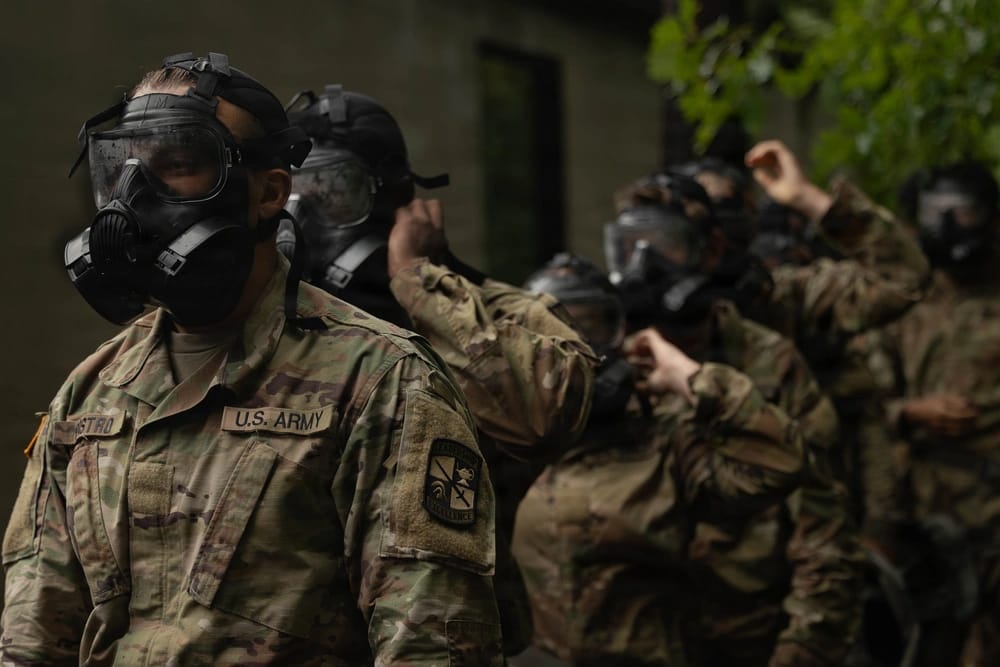
A Texas-based firm has developed an AI-enabled biosurveillance platform designed to provide military commanders and analysts with a centralized system for detecting, assessing, and responding to biological threats. This innovative tool aims to improve operational readiness and enhance the military's capability to manage biological risks effectively.
The introduction of this platform comes at a time when the potential for biological threats is increasingly recognized as a critical concern for national security. As military operations rely heavily on accurate and timely information, the integration of advanced technology into biosurveillance can significantly bolster situational awareness. By utilizing artificial intelligence, the platform can analyze vast amounts of data, enabling quicker identification of threats and more informed decision-making.
Implications for Defense Strategy
This development raises the question of how military strategies might evolve to incorporate such technologies into existing frameworks. The ability to respond swiftly to biological threats could reshape operational protocols, particularly in environments where rapid response is crucial. Additionally, the platform could facilitate better collaboration among military branches and allied nations, paving the way for a more unified approach to biological defense.
Why this matters: The emergence of this biosurveillance tool underscores the importance of technological innovation in defense. As biological threats become more sophisticated, the military's ability to adapt and integrate new systems will be vital for maintaining a strategic edge. Analysts will be watching closely to see how this platform influences military readiness and response capabilities in the face of evolving biological challenges.
Sources: Thedefensepost, Institute for National Strategic Studies (INSS), MarketsandMarkets, Fortune Business Insights, and Bulletin of the Atomic Scientists