U.S. Army's Operational Map Shifts as 2026 Progresses

Operational Changes in 2026
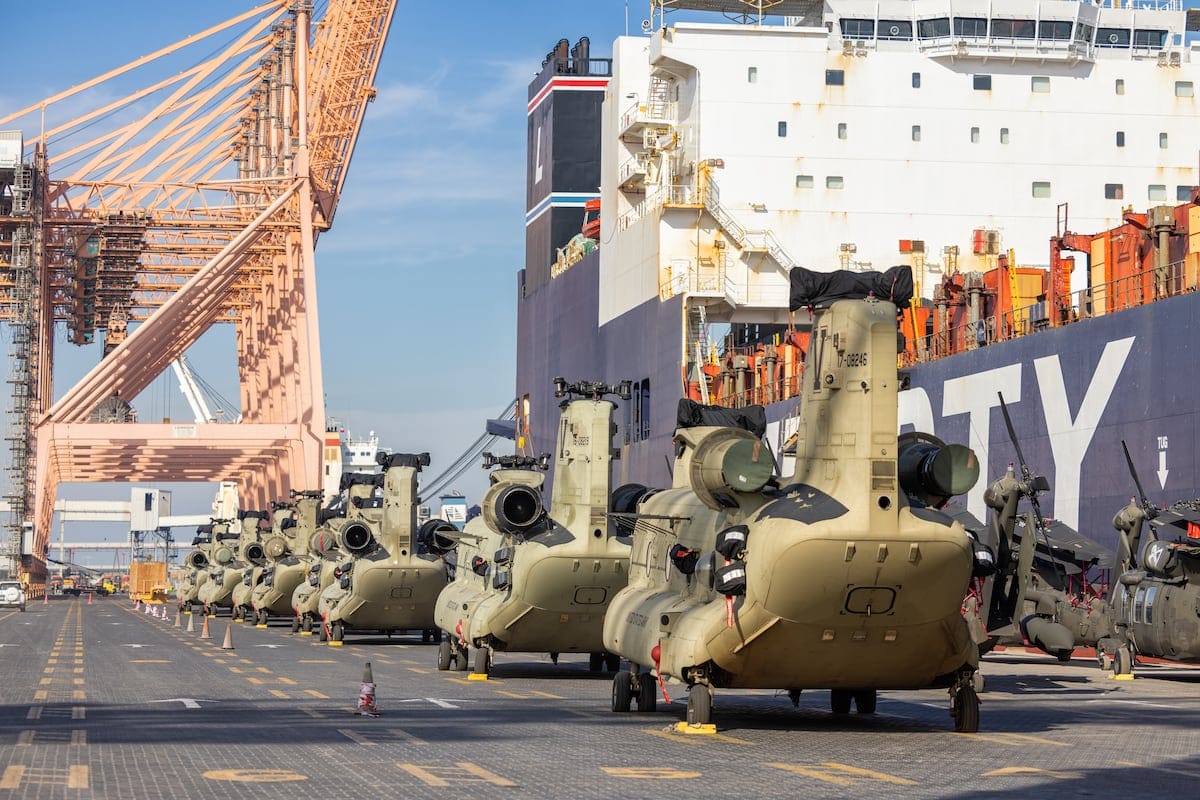
As 2026 approaches its end, the U.S. Army's operational map is undergoing significant transformations. This evolution reflects a strategic response to emerging global challenges and the need for adaptability in military operations. The Army is reassessing its positioning and resource allocation to ensure readiness in various theaters of operation.
Strategic Realignments and Future Implications
This shifting landscape indicates a proactive approach to potential threats, with the Army likely prioritizing regions that require increased military presence. The implications of these realignments extend beyond immediate operational capabilities; they may also influence diplomatic relations and military alliances. As the Army adapts to the current security environment, ongoing adjustments may lead to enhanced collaboration with NATO and other partners, aimed at countering shared threats.
The consequences of these developments are substantial for military planners and policymakers. The U.S. Army's strategic positioning will play a critical role in shaping the future of military engagement and defense readiness. By recalibrating its operational focus, the Army aims to safeguard national interests and maintain a competitive edge against potential adversaries.
Sources: Defensenews, Army University Press (.mil), Atlantic Council, Futura Doctrina | Mick Ryan, and United States Forces Korea (.mil)
Edited by Daniel Vazdar, Editor. How DEFCROS News reports, sources and corrects.