Air Force MQ-9 Demonstrates Cost-Effective Defense Against Drones

Demonstration Highlights Cost-Effective Strategies
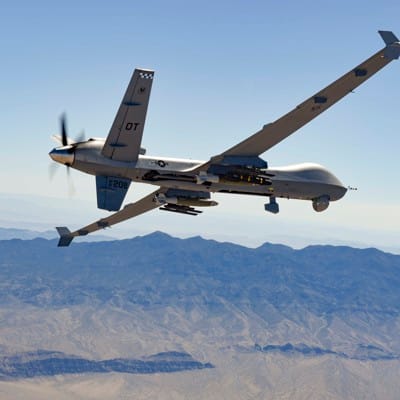
The United States Air Force has successfully demonstrated the capability of its MQ-9 Reaper drones to engage aerial targets using inexpensive air-to-air missiles. This demonstration took place as part of the service’s ongoing efforts to enhance cost-effective defense mechanisms against the growing threat of low-cost drones. The use of the MQ-9 Reaper in this context signals a strategic pivot towards integrating advanced unmanned systems in aerial combat scenarios.
Context and Implications for Future Operations
As drone technology becomes increasingly accessible, the potential for small, inexpensive drones to disrupt military operations has prompted the Air Force to seek innovative defensive solutions. The MQ-9's ability to use low-cost missiles not only reduces operational costs but also expands the tactical options available to military planners. By leveraging the Reaper's existing capabilities, the Air Force aims to enhance its air defense posture while maintaining budgetary efficiency.
This development is particularly significant in light of rising global tensions and the proliferation of drone technology among both state and non-state actors. As such, a **cost-effective defense** strategy could help mitigate the risks posed by adversaries employing similar unmanned systems. The integration of these advanced technologies into conventional air defense strategies may redefine engagement protocols and operational planning for future conflicts.
Why it matters: The MQ-9 demonstration underscores a critical shift in military strategy towards more economical solutions in air defense. Analysts will be watching how this approach might influence future procurement decisions and operational doctrines within the U.S. armed forces. The implication is that a successful integration of these technologies could lead to a more flexible and responsive air defense system capable of adapting to evolving threats.
Sources: Defenseone, Task & Purpose, Reuters, Defence Security Asia, and The Defence Blog