Airbus and Saab Explore New Paths Following FCAS Collapse

Strategic Shift in European Defense Collaboration
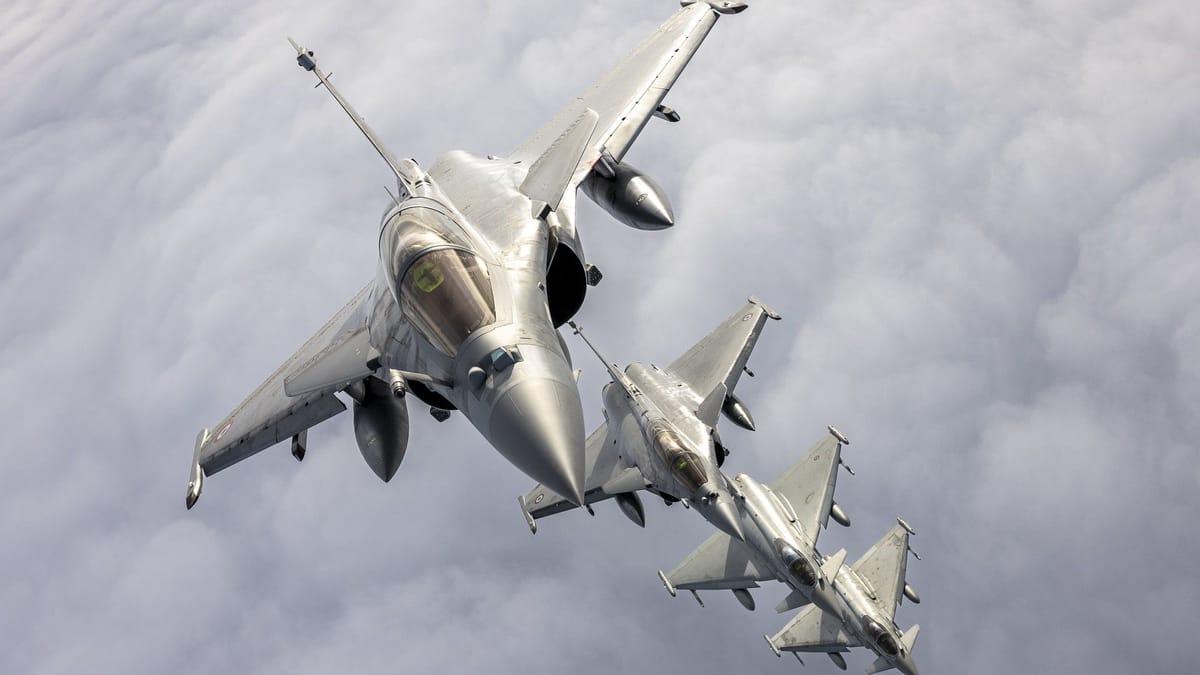
The Future Combat Air System (FCAS), a key European defense initiative, has officially collapsed, prompting a significant shift in strategic alliances among defense contractors. The Airbus-Saab consortium is emerging as a potential alternative pathway in response to this setback, indicating that while the FCAS program has faced rejection, the quest for advanced air combat capabilities in Europe is far from over.
The FCAS project, aimed at developing a next-generation military aircraft, has encountered numerous challenges leading to its recent failure. The collapse not only affects the direct stakeholders, Airbus and Dassault Aviation, but also reverberates throughout Europe’s defense landscape. Analysts emphasize that the formation of an Airbus-Saab partnership could provide a more unified approach to developing advanced air capabilities, leveraging Saab's expertise in fighter aircraft design alongside Airbus's extensive aerospace manufacturing capabilities. This collaboration may help to mitigate the risks that have plagued the FCAS initiative, potentially paving the way for more viable defense solutions.
This raises the question of how other European nations will respond to the shifting dynamics in defense collaboration and whether they will seek to align with the Airbus-Saab consortium or pursue independent projects. Additionally, the implications of this strategic pivot highlight the ongoing need for European nations to enhance their collective defense capabilities amid evolving global security threats. The ability of Airbus and Saab to effectively integrate their resources and expertise will be crucial in determining the success of this new venture. Why it matters: The developments surrounding the FCAS initiative underscore the critical importance of adaptability in defense strategy. As European nations reassess their defense partnerships, the Airbus-Saab consortium could serve as a model for future collaborations aimed at achieving technological advancements in military aviation. Observers will be keen to monitor the progress of this consortium, as its success or failure may significantly influence Europe's defense posture in the coming years.
Sources: Defence24, Reuters, Мілітарний, GuruFocus, and Seeking Alpha