Analysis of Recent Airspace Incidents over North America

Overview of Recent Shootdowns
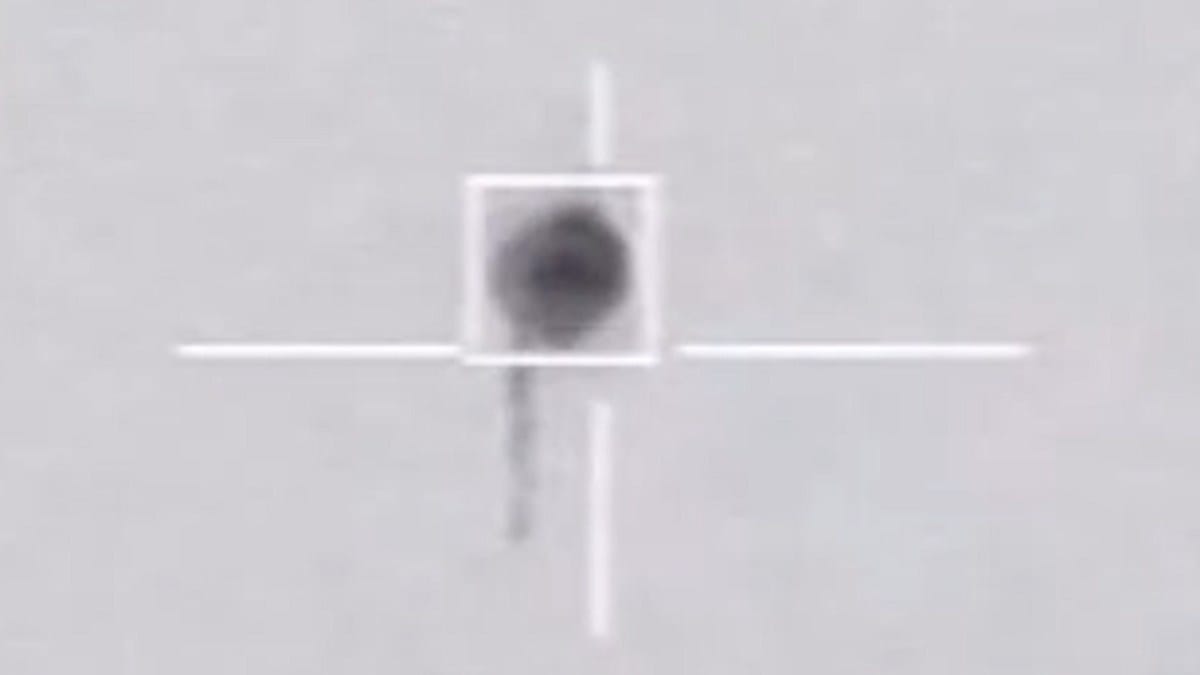
In a notable series of events, U.S. F-16 fighters shot down a mysterious object over Lake Huron, part of a trio of similar incidents occurring within a three-day timeframe following the Chinese spy balloon incident. These actions reflect heightened vigilance and response protocols concerning unidentified aerial phenomena in North American airspace.
Context and Implications
The shootdown of this object, alongside two others, indicates a shift in how the U.S. military is approaching aerial threats. The previous incident involving a Chinese spy balloon had already raised alarms regarding national security and surveillance capabilities. These recent actions may signal a new operational posture, emphasizing the need for robust airspace defense measures in light of potential foreign reconnaissance activities.
Analyzing these incidents reveals a possible pattern of escalation that could impact future air defense strategies. The military's rapid response suggests a commitment to maintaining air sovereignty and protecting sensitive areas from unexplained aerial incursions. Moreover, this could lead to increased collaboration between military branches and intelligence agencies to identify and address aerial threats effectively.
Why it Matters
The implications of these shootdowns extend beyond immediate airspace control. This raises the question of how the U.S. will adapt its defense policies in response to evolving aerial threats and potential foreign surveillance. Analysts will be watching for shifts in military engagement rules and advancements in detection technologies as the U.S. seeks to safeguard its airspace. The ongoing focus on aerial security illustrates the importance of preparedness in an increasingly complex global security landscape.
Sources: Twz, The War Zone, NC Newsline, The Washington Post, and NPR