Analysis of Russia's Oreshnik Missile Utilization in Ukraine

Overview of Oreshnik Missile Deployments
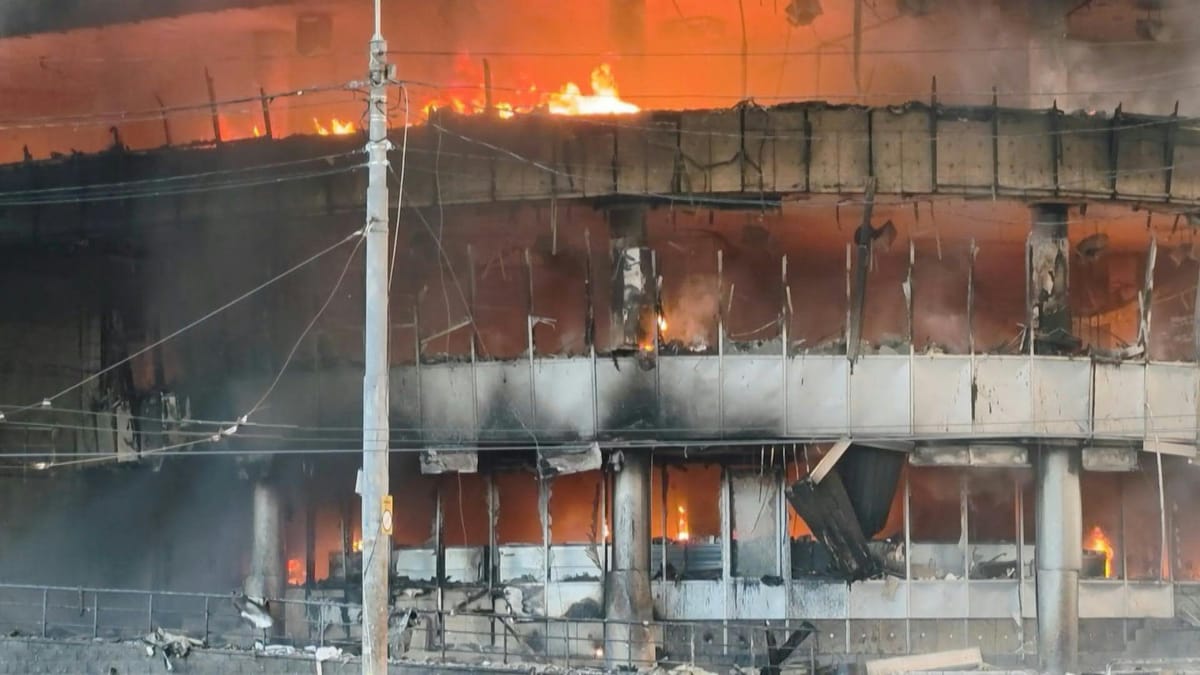
Russia has employed its nuclear-capable ballistic missile, known as the Oreshnik, on three occasions during the ongoing conflict with Ukraine. This development highlights a significant escalation in Russia's military capabilities and strategy, particularly regarding its willingness to utilize advanced weaponry in the region.
Context and Implications
The deployment of the Oreshnik missile underscores the evolving nature of warfare in Ukraine, where advanced technology and nuclear deterrence play critical roles. Analysts note that the range and precision of the Oreshnik missile allow Russia to strike key targets while potentially instilling fear in the Ukrainian population and government. Each use of this missile could signal a shift in Russia's military posture, as it demonstrates a readiness to employ nuclear-capable systems in conventional conflict.
Furthermore, the implications of these missile strikes extend beyond the immediate battlefield. The international community is closely monitoring Russia's actions, which could prompt discussions about nuclear strategy and deterrence among NATO allies. The potential for escalation is significant, especially if Russia perceives increased military support for Ukraine from Western nations as a direct threat.
This situation raises critical questions about the future of military engagements in Europe and the response mechanisms that NATO might adopt in light of Russian actions. As the conflict continues, the strategic use of the Oreshnik missile will likely be a focal point for analysts and defense planners alike.
Why It Matters
The utilization of the Oreshnik missile not only marks a tactical choice by Russia but also serves as a strategic signal to both Ukraine and the international community. The ongoing assessment of these missile strikes will be crucial for understanding Russia's military calculus and the potential ramifications for global security dynamics. In this context, the actions taken by NATO and its member states in response to such developments will be pivotal in shaping the landscape of international relations in the coming months.
Sources: Thedefensepost, The Times of India, The Tribune-Democrat, Al Jazeera, and Bulletin of the Atomic Scientists