Analysis of Terrorism Threats in Russia: A Multifaceted Challenge

Current Landscape of Terrorism in Russia
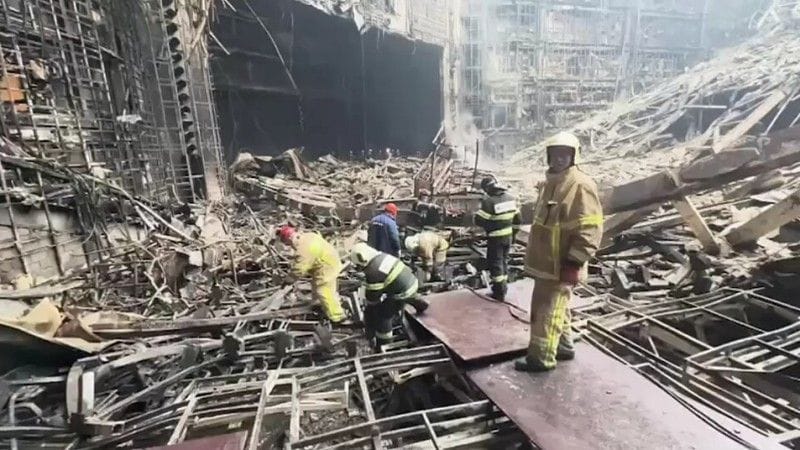
Terrorism in Russia presents a complex challenge that intertwines national security threats with political maneuvering by the Kremlin. Recent incidents, such as the attack at Crocus City Hall, highlight the evolving nature of terrorism within the country, which has roots in the North Caucasus and extends to influences from groups like the Islamic State and its affiliate, the Islamic State – Khorasan Province.
The Russian security services face a multitude of challenges as they grapple with both domestic and international terrorist threats. The historical context of terrorism in the region, particularly from the Caucasus Emirate, underscores the persistent instability that Russia has encountered. The Kremlin's response to these threats often involves a combination of direct counter-terrorism measures and the strategic use of terrorism as a political tool to consolidate power and justify military actions.
Implications for Regional and International Security
The intertwining of terrorism and state politics raises significant concerns for both regional and international security dynamics. As the Kremlin continues to leverage terrorist threats to bolster its political standing, analysts will be watching how this strategy evolves and influences Russia's foreign relations. The implications of these actions could lead to heightened tensions within the region, as neighboring states may perceive Russian counter-terrorism efforts as aggressive or expansionist.
Furthermore, the ongoing significance of groups like the Islamic State poses a direct threat to Russia's internal security. With the potential for these groups to exploit existing socio-political fractures, the Russian government may find itself increasingly challenged to maintain stability. This situation necessitates close monitoring of both the domestic response to terrorism and the international ramifications of Russia's strategies.
Sources: Defence24, Center for European Policy Analysis (CEPA), Президент России, Meduza, and The Washington Post