Navy Unmanned System Completes Successful Ship Landing Without GPS

Innovation in Naval Operations
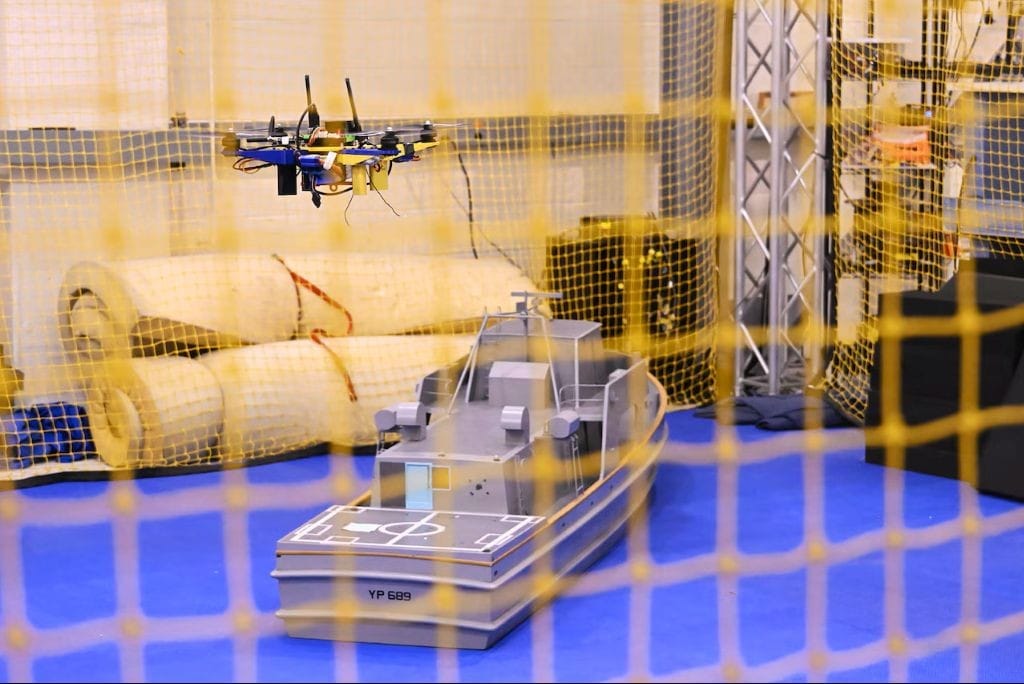
The Naval Air Warfare Center Aircraft Division has successfully demonstrated that an unmanned system can independently navigate missions and land aboard Navy ships without relying on GPS technology. This milestone was achieved during recent trials that showcase the potential for enhanced operational capabilities in maritime environments.
This development is particularly significant given the increasing reliance on GPS for navigation and operations. By proving that unmanned systems can operate effectively without this technology, the Navy opens the door to enhanced mission flexibility and resilience in contested environments where GPS may be compromised. The ability for unmanned systems to autonomously navigate and land could reduce risks to personnel and increase the efficiency of maritime operations.
The implications of this advancement are profound for the future of naval warfare. Unmanned systems capable of independent navigation and landing enhance the Navy's operational readiness and adaptability. As adversaries develop countermeasures against satellite navigation, this technology positions the Navy to maintain a strategic advantage. The successful integration of autonomous systems not only reinforces the Navy's commitment to innovation but also marks a step towards a more autonomous operational framework in naval engagements.
Sources: Edrmagazine, Unmanned Systems Technology, Fortune Business Insights, Eurasia Business News, and gCaptain
Edited by Daniel Vazdar, Editor. How DEFCROS News reports, sources and corrects.